Emergency medical care department of the Karabakh University Clinic opens

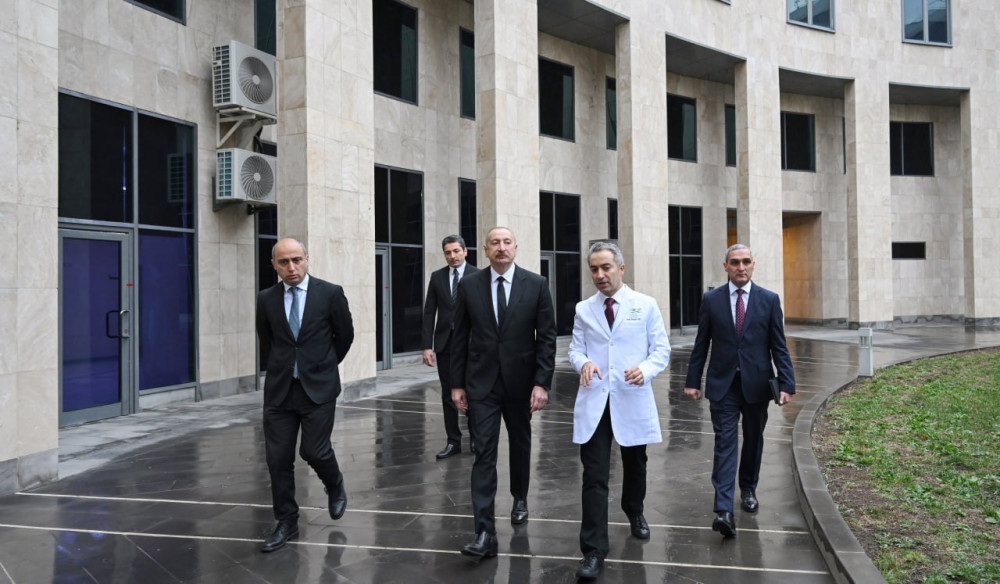
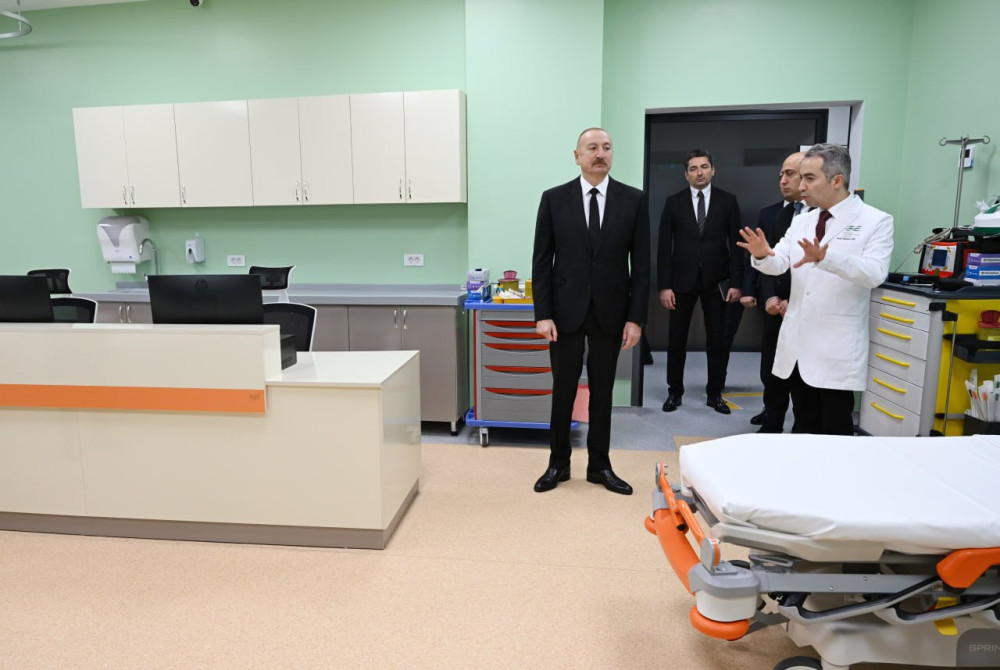
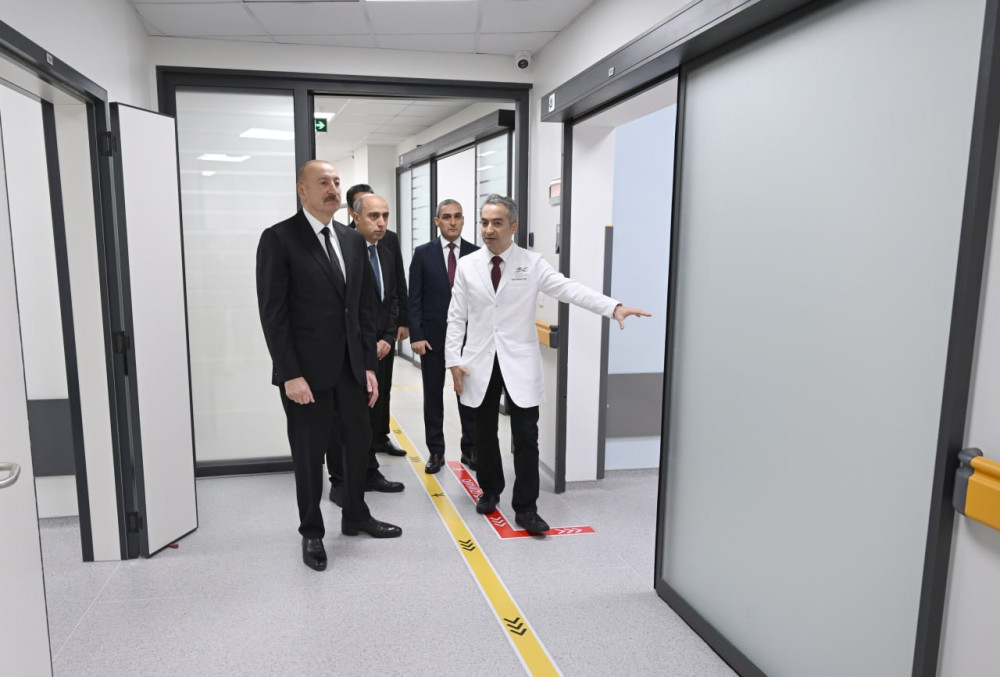
On November 7, President of the Republic of Azerbaijan Ilham Aliyev attended the opening of the emergency medical care department of the Karabakh University Clinic.
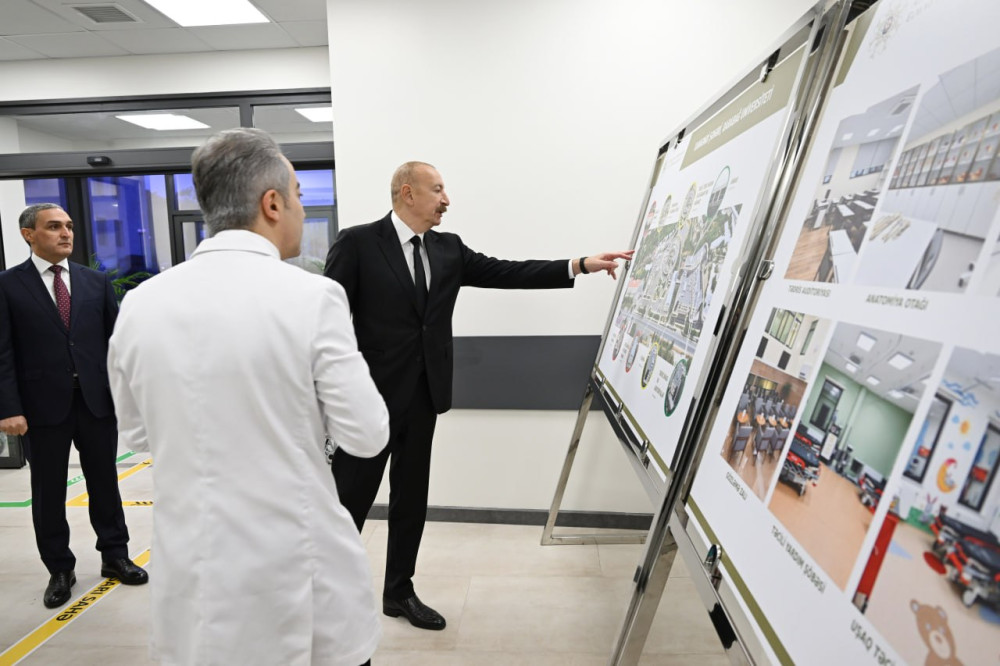
As AZERTAC reports, Rector of Karabakh University Shahin Bayramov and Director General of the university clinic Samir Babayev briefed the head of state on the conditions created here.
It was reported that as part of the work carried out in accordance with the approved architectural and planning solution, the existing engineering and communication systems were reconstructed, and the department's activities were organized in line with modern requirements.
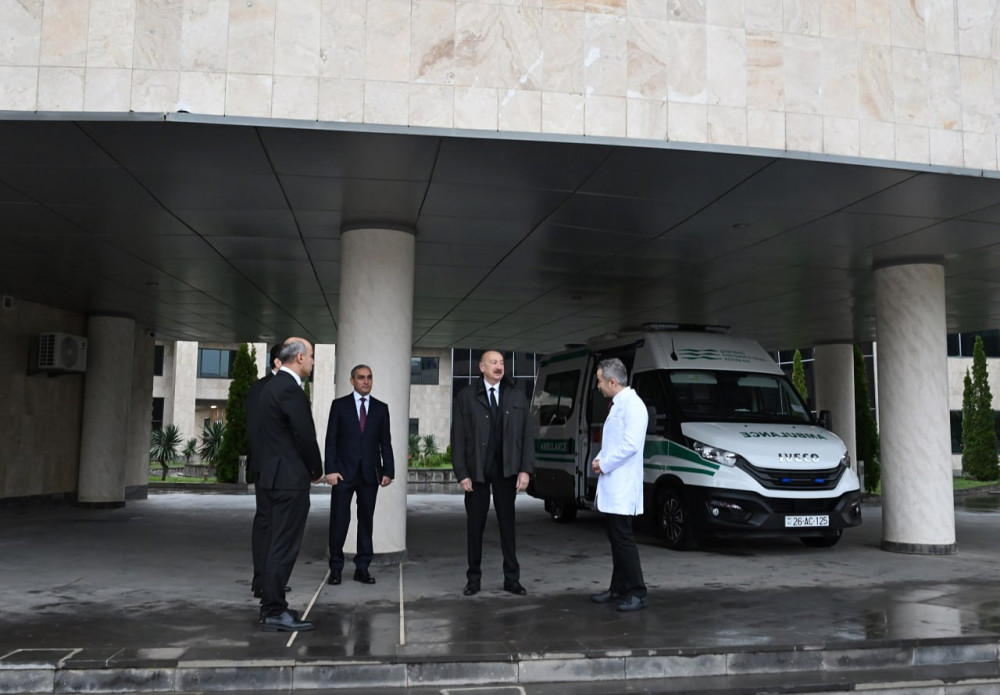
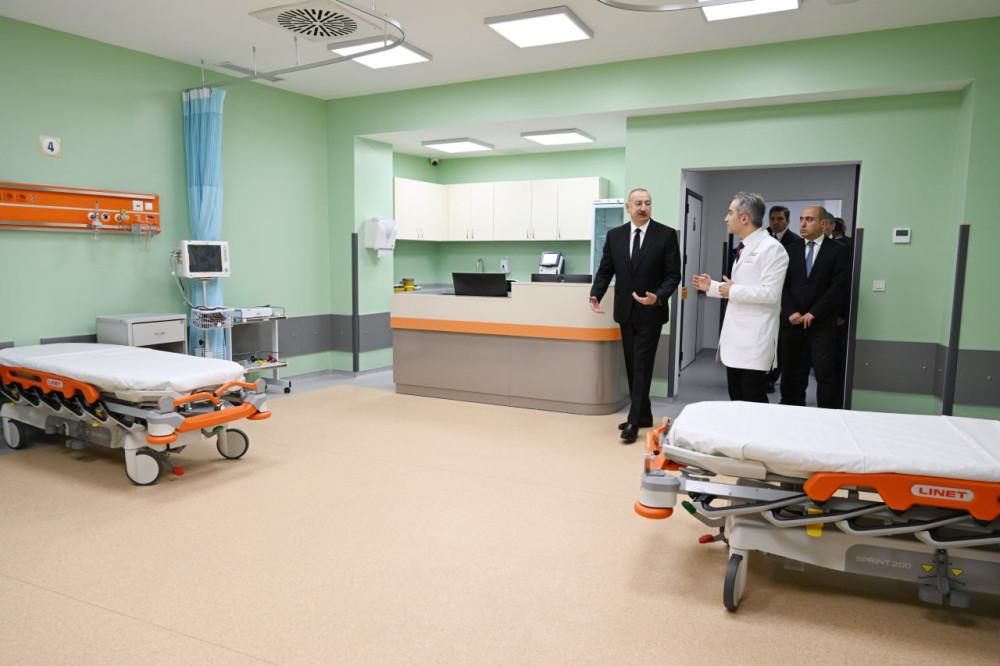
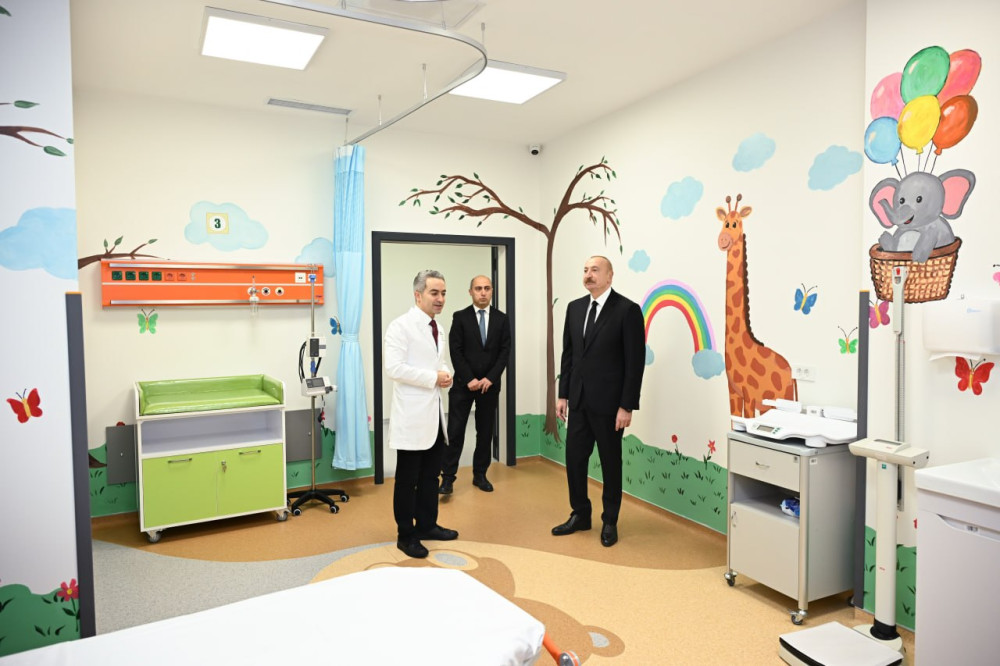
In order to effectively organize the admission, examination, and treatment of patients, functional zones meeting modern requirements have been created in the emergency medical care department. There are intensive care and pediatric sectors, wards, premises for storing medicines, and service rooms for organizing medical services and daily activities. Equipping the department with appropriate medical equipment and modern engineering and communication systems makes it possible to expand its functional capabilities and ensure the effective organization of medical services. For the transportation of patients who have undergone an initial assessment of their condition to other institutions in accordance with medical indications, there are ambulances equipped with capabilities for resuscitation and intensive care.
At present, the clinic has 70 inpatient beds, including five intensive care beds. In addition, 19 beds are provided in the emergency department, and five operating rooms have been equipped. Thus, the clinic will be able to simultaneously provide medical care to 70 inpatients and 19 patients admitted to the emergency department.
According to the development plan for 2027, it is forecast that a total of 230–250 employees will work at the medical institution.
The main mission of the university clinic lies not only in providing medical services, but also in its development as a multidisciplinary medical center combining modern medical education, clinical practice, and, in the future, research activities.