EU fails to reach agreement on possible negotiator with Russia
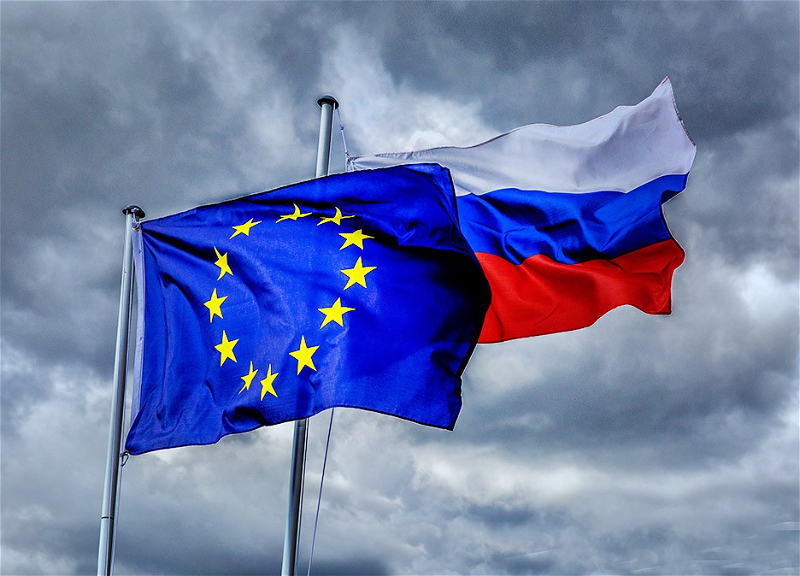
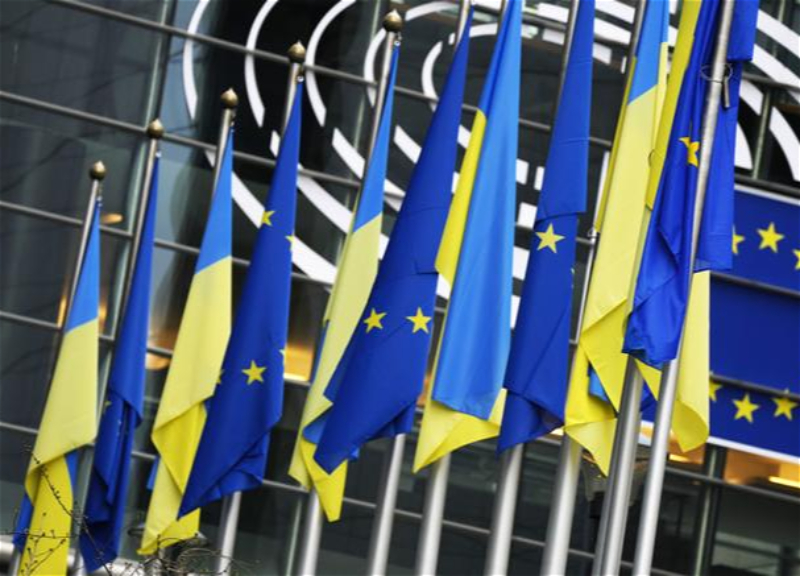
Disagreements continue within the European Union over the idea of appointing a special representative for direct dialogue with Russia.
This is reported by Politico, citing sources.
According to the publication, discussion of the initiative has intensified amid the declining role of the United States as a mediator in negotiations between Ukraine and Russia. At the same time, EU countries' positions on the issue remain divided.
Some senior officials from states supporting Ukraine oppose the creation of such a position, arguing that Russian President Vladimir Putin is not interested in a real ceasefire. In their view, appointing a special envoy could lead to a weakening of sanctions pressure on Russia.
Polish Foreign Minister Radosław Sikorski stated at the GLOBSEC conference in Prague that Europe should avoid hasty steps toward negotiations with Moscow. He noted that it is important not to create the impression of pressure on Ukraine to make possible concessions.
The foreign ministers of Estonia and Lithuania also warned of the risk that Russia could use the negotiation process to drag out the situation and gain additional advantages.
The issue is planned to be discussed at an informal meeting of EU foreign ministers this week. European foreign policy chief Kaja Kallas has also previously expressed skepticism about the initiative.
At the same time, supporters of the idea are already discussing possible candidates for the position of special representative, including Angela Merkel, Mario Draghi, Alexander Stubb, António Costa, Sauli Niinistö, and Jean-Claude Juncker.