New Economic Geography: How Karabakh is Changing the Structure of Growth
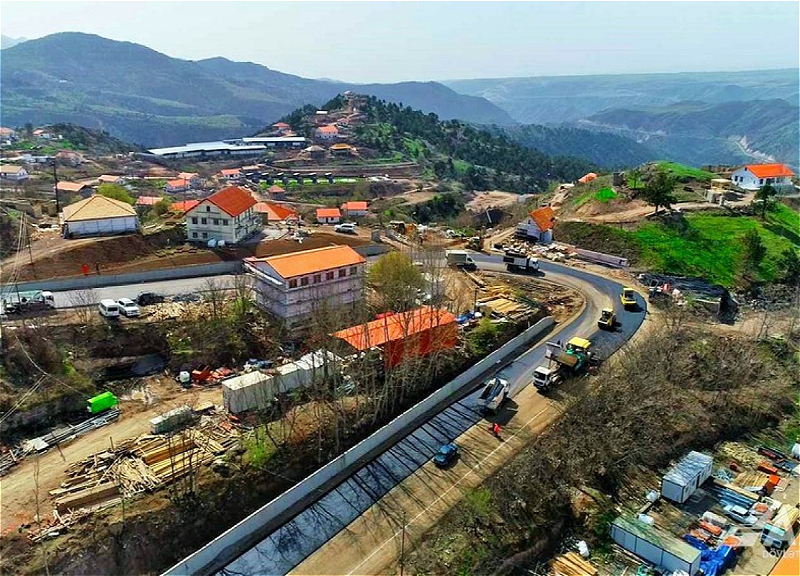
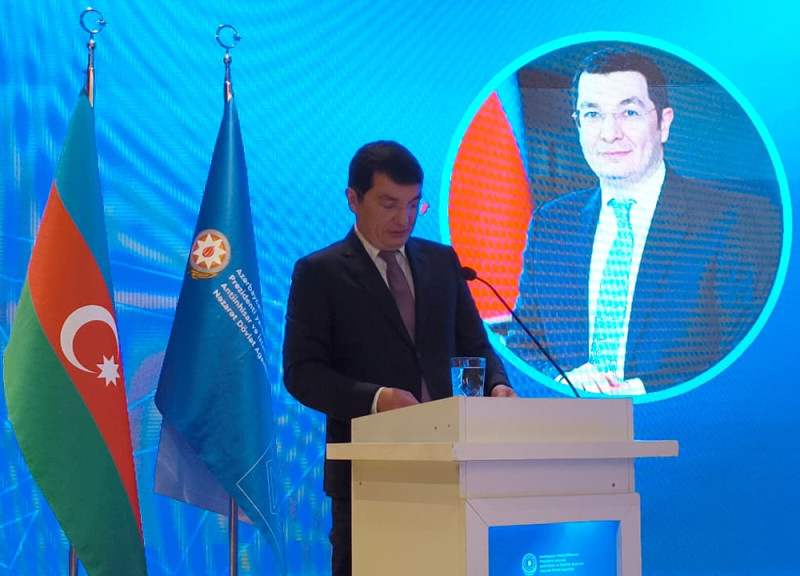
On March 16, a regular field meeting of the Coordination Headquarters for the Restoration of Liberated Territories was held in Khojavend under the chairmanship of Samir Nuriyev, Head of the Administration of the President of Azerbaijan.
The format of such meetings is already becoming an established practice.
The meeting demonstrated that the restoration process has entered a new phase. While in the first years after 2020 the main focus was on basic infrastructure—demining, roads, electricity, water, and gas—now the emphasis is on creating a full-fledged living environment and ensuring the permanent settlement of the population.
This is confirmed by the figures: 41 settlements have been restored or newly built, and more than 80,000 people already live and work in the liberated territories. In essence, a permanent social environment is being formed.
At the same time, a high level of personal oversight from the country's leadership continues. Since the beginning of this year, President Ilham Aliyev has visited the liberated territories multiple times (at least 5–6 times), inaugurating new facilities and meeting with returning residents, demonstrating the irreversibility of the return process.
Simultaneously, the differentiation of territories is becoming increasingly evident. In areas with destruction levels of 90–100% (Aghdam, Jabrayil, Zangilan), construction is essentially starting from scratch, complicated by extensive mine contamination (over 150,000 hectares have been cleared). In the mountainous part of Karabakh, where infrastructure is partially preserved and the level of mines is lower, restoration can proceed more quickly.
This explains the focus on Khojavend and Hadrut: the emphasis here is on accelerating the resumption of life. Homes are being restored, residential neighborhoods are being formed, and master plans are being developed, indicating a transition to long-term development.
At the same time, the structure of expenditures is changing: more funds are being allocated to housing and social facilities—schools, kindergartens, medical centers, and service hubs—which are key conditions for ensuring permanent settlement.
A significant focus is also placed on the economy. The development of agriculture, processing, and the service sector is expected to provide employment. Visits to agricultural and processing enterprises in Khojavend show that the economic profile of the region is being shaped now, including with consideration for food security objectives.
All this work is being carried out within the framework of the 'Great Return' program and is centrally coordinated, allowing the pace to be maintained despite the scale of the tasks.
Thus, the current stage signifies a transition from restoration to the formation of a sustainable economic and social environment. At the same time, the mountainous part of Karabakh is seen as an area where this process can proceed more rapidly and serve as a foundation for the further development of the entire region.
Under these conditions, the integration of the liberated territories becomes an important factor in the development of the non-oil sector. The inclusion of significant land and resource opportunities, favorable natural and climatic conditions, and the possibility of building modern economic models create a basis for the modernization of agriculture.
Moreover, development is initially oriented not only toward raw material production but also toward the creation of complete agro-industrial chains—with processing, storage, and logistics. This allows for an increase in added value within the country and reduces dependence on imports.
The return of the population and the launch of economic activity create new jobs and stimulate the development of small and medium-sized businesses, which enhances the sustainability of resettlement.
An additional effect comes from the development of infrastructure and transport connectivity, which reduces costs and increases the investment attractiveness of the region.
Ultimately, the integration of the liberated territories is transforming not only into a process of restoration but also into a tool for structural economic transformation, capable of strengthening the position of Azerbaijan's non-oil sector and agricultural production.
Author: Ilgar Velizade