Triumph of Justice Without Political Concessions: Court Sentences Ruben Vardanyan
“These people have committed serious crimes against humanity. Imagine the Nuremberg Trials after World War II, and two months after all those Nazi leaders are sentenced to death, someone comes and asks for their release. […] Their crimes were even worse than what the Nazis did during World War II.”
This quote from President of Azerbaijan Ilham Aliyev, given during an interview with France 24 in Munich on February 14, is deliberately chosen as an epigraph. It clearly demonstrates that when it comes to crimes against humanity, history knows only one principle—inevitability of accountability. Any attempts to present such crimes as a subject of bargaining, compromise, or “humanitarian leniency” inevitably conflict with the very logic of international justice. Crimes against humanity cannot be negotiated—they are discussed in courts, not at the table of diplomatic compromise.
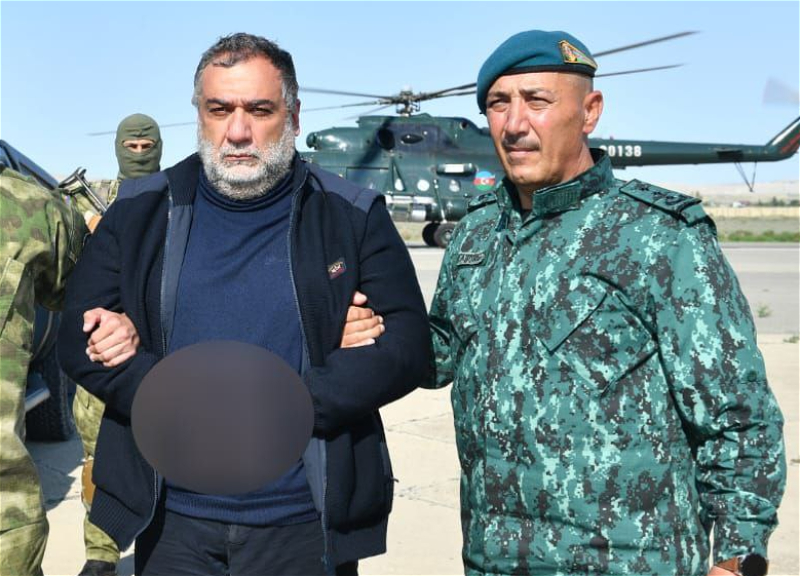
Today, the Baku Military Court delivered a verdict to Armenian citizen Ruben Vardanyan, accused of crimes against peace and humanity, war crimes, terrorism, financing terrorism, and other grave offenses. By the court’s decision, Vardanyan was sentenced to 20 years in prison.
The articles of the Criminal Code of the Republic of Azerbaijan in Vardanyan’s case cover nearly the entire spectrum of grave and especially grave crimes:
- Planning, preparation, initiation, and conduct of aggressive war,
- Deportation or forced displacement of populations,
- Persecution,
- Forced disappearance of persons,
- Deprivation of liberty in violation of international law norms,
- Use of torture,
- Mercenarism,
- Violation of the laws and customs of war,
- Violation of international humanitarian law norms during armed conflicts,
- Intentional murder,
- Attempted intentional murder,
- Illegal entrepreneurship,
- Terrorism,
- Financing of terrorism,
- Organization of a criminal community,
- Illegal acquisition, transfer, sale, storage, transportation, or carrying of weapons, their components, ammunition, explosives, and explosive devices,
- Acts posing a threat to aviation safety,
- Violent seizure of power or violent retention of power, violent change of the constitutional order of the state,
- Creation of armed formations or groups not provided for by legislation.
As evident, the scale and nature of the charges elevate this case to the category of trials with the highest degree of legal accountability.
Recall that on February 5, the Baku Military Court sentenced Armenian citizens Araik Harutyunyan, Arkady Ghukasyan, Bako Saakyan, David Ishkhanyan, David Babayan, Levon Mnatsakanyan, and others accused of committing crimes against peace and humanity as a result of Armenia’s military aggression against Azerbaijan, war crimes including the preparation and conduct of aggressive war, genocide, violation of the laws and customs of war, as well as terrorism, financing terrorism, violent seizure of power, its violent retention, and numerous other crimes.
By the court’s decision, some of them were sentenced to life imprisonment, while others received terms ranging from 15 to 19 years. At the same time, some of the accused were found guilty of crimes falling under the article for life imprisonment, and these charges were fully substantiated during the trial. However, in accordance with the requirements of the Criminal Code of Azerbaijan, individuals who have reached the age of 65 before sentencing cannot be sentenced to life imprisonment. From this perspective, the verdict demonstrates strict adherence to the law by the Azerbaijani judicial system, which does not deviate from legal norms even in cases involving individuals guilty of the most severe crimes.
The comparison with the trials of Nazi leaders after World War II is not mere rhetorical hyperbole—it is a deliberate attempt to frame the current political-legal conflict within the context of universal accountability for crimes against humanity.
And perhaps, just as the Nuremberg Trials became a key precedent for international justice in the 20th century, the trials in Baku may become one of the benchmarks for international justice in the 21st century—an example of the inevitability of accountability for the most severe crimes and strict adherence to legality.
This is why the dates of February 5 and 17 will go down in history as days of the triumph of justice, symbolizing the principle of inevitable punishment.
In this context, “requests for pardon” or “gestures of goodwill” clash with the iron logic and unwavering stance of the President of Azerbaijan. He clearly articulated this position in the interview with France 24:
- Could you do something in this regard, Mr. President?
- What do you mean?
- Turn the page and pardon them or something like that? It would be a gesture of goodwill on your part. It is within your powers.
- You know, these people have committed serious crimes against humanity. Imagine the Nuremberg Trials after World War II, and two months after all those Nazi leaders are sentenced to death, someone comes and asks for their release.
- So for you, it’s the same?
- Yes, absolutely. Even worse, much worse. Their crimes were even worse than what the Nazis did during World War II.
These words of the head of state are not merely a political statement.
They represent a clear and principled position: for grave crimes against humanity, there is no pardon, no statute of limitations, and no mitigating circumstances.
The law operates without compromise, and accountability is enforced without leniency.