Food security in Azerbaijan on the agenda: addressing livestock challenges
In recent years, alongside a range of imported goods, the significant import of meat, primarily beef, has become increasingly noticeable.
At the same time, the situation appears largely paradoxical, as the country objectively possesses the necessary natural, feed, and production conditions to increase its own meat production.
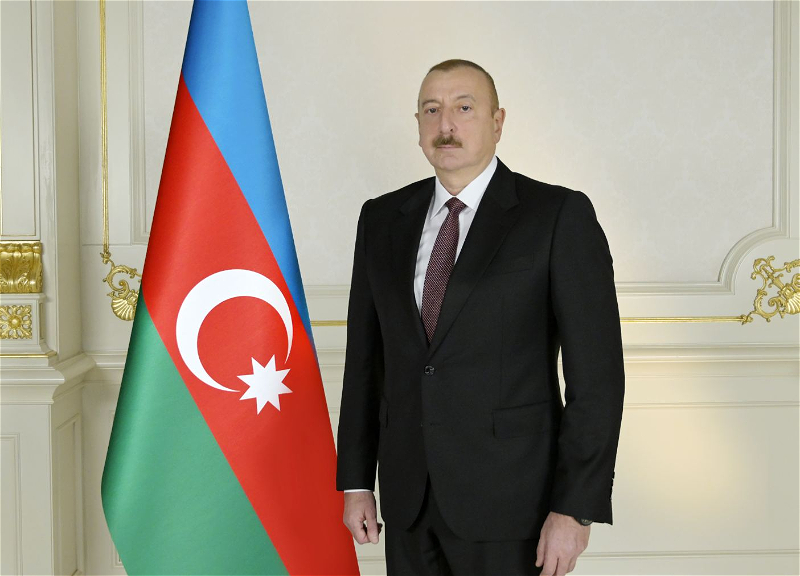
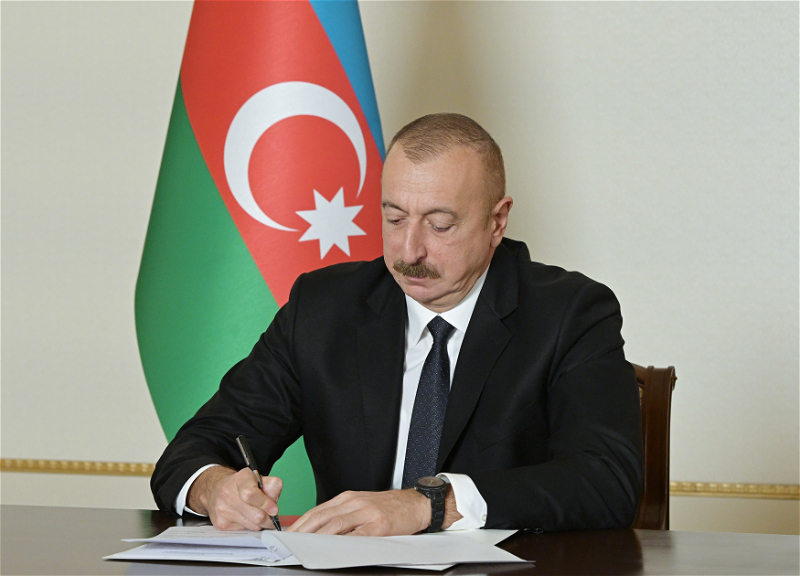
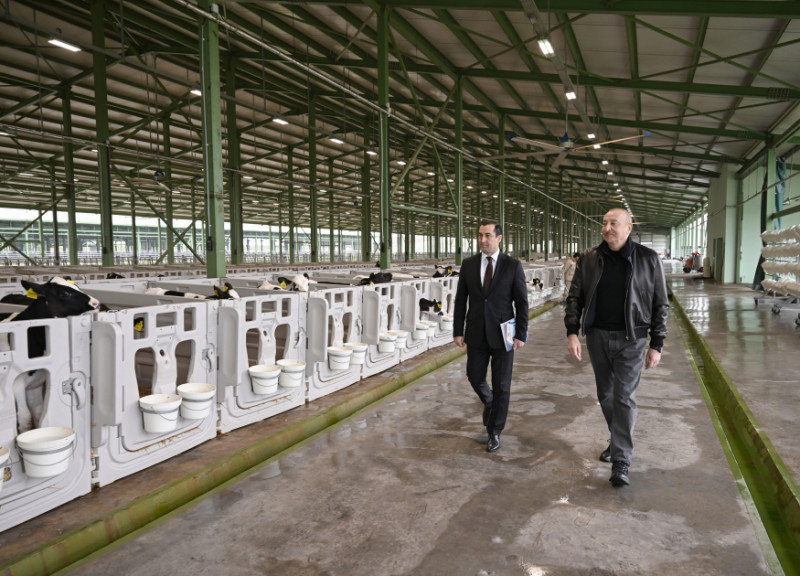
Against this backdrop, the visit of President of Azerbaijan Ilham Aliyev to the Shamakhi district is noteworthy, during which the opening of the livestock complex "Shirvan Agro" took place. It is remarkable that the head of state specifically emphasized the strategic goal of agricultural policy, stating that Azerbaijan must fully provide itself with meat and has all the necessary capabilities to do so.
In terms of technological equipment, the facility is effectively one of the largest livestock complexes not only in Azerbaijan but also in the South Caucasus, with herd management systems incorporating elements of artificial intelligence, automated carousel and parallel milking lines, and online milk quality analyzers. A separate reproduction center based on modern genetics operates to increase herd productivity.
The complex includes a full production cycle—from its own feed base to meat processing, including specialized facilities like "Dry Age" rooms, as well as an innovative feeding center and a real-time animal monitoring system. Moreover, the enterprise has already provided employment for over 200 people, enhancing its significance not only as an agricultural project but also as a socio-economic initiative at the regional level.
Speaking of challenges in the sector, it should be noted that despite the overall growth in meat and dairy production, the number of cattle remains stagnant at around 2.4 million head. Furthermore, declines are observed in certain areas. For instance, the number of sheep and goats has decreased to 6.85 million head. This limits production, especially of beef, which shows no significant growth.
The rising cost of feed and dependence on its import increase pressure on production costs. In the first five months of 2025 alone, feed imports exceeded 83,000 tons, with an increase of approximately 13%. As a result, livestock maintenance becomes more expensive, profitability declines, and some farmers reduce their herds. This further constrains meat production and exacerbates the deficit, which is then offset by imports.
Thus, the growth in imports is to some extent structural. The country effectively bridges the gap between demand and supply through external deliveries, and this dependence is becoming entrenched.
It is in these conditions that the focus on creating large livestock complexes intensifies. Unlike small farms, they can control the feed base, reduce costs, and ensure stable production volumes. Such projects address several issues at once: they stabilize market supply, create a foundation for processing, and establish a more predictable agribusiness model.
From this perspective, the establishment of "Shirvan Agro" is an element of a new agricultural development model. It is intended to demonstrate how a system capable of reducing import dependence and stabilizing prices should look.
For the Shamakhi district, the significance of such projects extends beyond a single enterprise. Already, a limited number of large industrial-type farms are forming in the district—essentially, a few key projects are shaping the profile of the local economy.
As a result, a new economic profile for the district is gradually emerging. While it was previously based on small-scale farming, large enterprises are now appearing, around which all agricultural activity is being organized. They create stable demand for feed, transport, veterinary services, and labor, engaging related industries in the economy.
The presence of such complexes is gradually establishing Shamakhi district as one of the centers of industrial livestock farming. This lays the groundwork for attracting investments and developing processing industries.
Ultimately, such projects address two objectives: they help reduce the shortage of meat on the domestic market and simultaneously transform the economy of the regions. In the case of Shamakhi, this means a transition from an ordinary rural district to a more stable and organized agricultural production hub.
In the long run, the impact of these changes should be felt in everyday life. This involves more stable meat prices, reduced dependence on imported supplies, and increased availability of high-quality products for the population.
Author: Ilgar Velizade