Baku Initiative Group brings caste discrimination in India to the international agenda
One of the most severe manifestations of social inequality in Indian society is the deep and persistent discrimination generated by the caste system. At the same time, one of the groups most affected by this system is the Dalit community, historically known as the "untouchables."
For centuries, Dalits have been isolated from public life in India, subjected to inequality and violence; their use of water sources, visits to religious temples, and shared use of a single social space with members of higher castes were restricted. The word "Dalit" means "oppressed," "suppressed," and this name reflects the historical injustice that this community has faced in Indian society.
As AZERTAC reports, this information was disseminated by the Baku Initiative Group (BIG).
It is noted that the Dalit community does not have a single religious belief. Among them are adherents of Hinduism, Buddhism, Christianity, Sikhism, and Islam. At the same time, the legacy of B.R. Ambedkar occupies a special place in the socio-political thinking of Dalits. He opposed the caste system, and his ideas of equality, human dignity, and social justice became one of the main pillars of the Dalit movement.
The fact that in India, which officially positions itself as a democratic and secular state, caste discrimination is still widespread is assessed as a serious problem in the field of human rights. Although Indian legislation prohibits discrimination on the basis of caste, the fact that Dalits in everyday life face isolation, economic difficulties, and violence shows that existing legal mechanisms do not fully ensure the protection of their rights. From this point of view, the root of the problem lies not only in historical caste traditions but also in the fact that the Indian government is not taking sufficient and effective steps to actually eradicate this system.
"The main demands of Dalits are the elimination of caste discrimination, an end to violence and impunity, the creation of equal opportunities in education and employment, expanded access to land and economic resources, increased political representation, and the provision of equal and safe living conditions based on human dignity.
Dalits make up approximately 16-17 percent of India's population, that is, about 200 million people. Despite this, they remain one of the most disadvantaged groups in the country socially and economically. The Dalit community continues to face serious obstacles in the areas of education, employment, access to social services, public safety, economic opportunities, and political representation.
According to official statistics, in 2016 alone, more than 40 thousand crimes were registered against lower castes. And the death of 8 people during mass protests involving Dalits in 2018 shows that the problem is not limited to social discrimination but also takes on the character of a crisis of violence and security. These facts demonstrate that caste discrimination in India is not isolated cases but a systemic and large-scale problem," the statement notes.
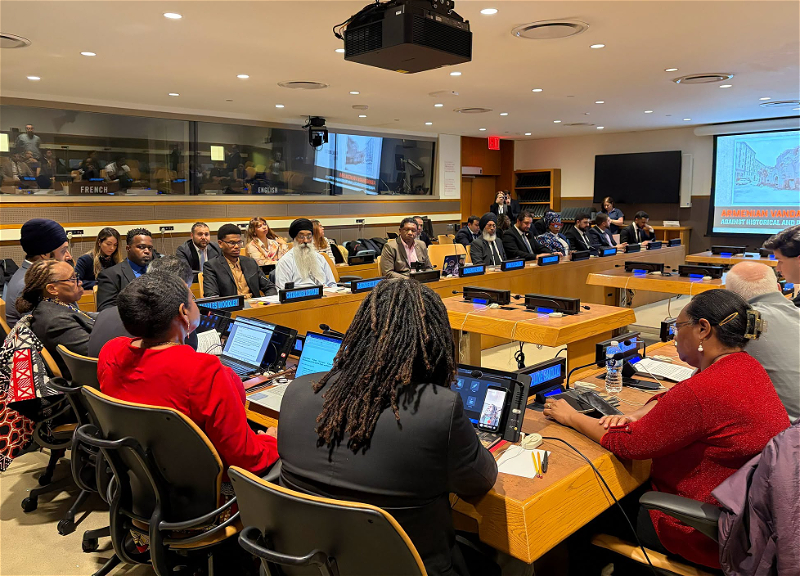
According to BIG, the issue related to Dalits has also been discussed at the international level. The UN Committee on the Elimination of Racial Discrimination, within the framework of the concept of "discrimination based on descent," also assessed discrimination based on caste and hereditary status as a human rights problem. In addition, Dalit human rights defenders actively campaigned to bring caste discrimination to the international agenda during the World Conference against Racism and Discrimination held in 2001 in the South African city of Durban. The European Parliament also adopted a separate resolution on caste discrimination, emphasizing the importance of taking this issue into account in international human rights policy.
Among the main organizations abroad engaged in protecting the rights of Dalits are such structures as the International Dalit Solidarity Network, Equality Labs, the International Commission for Dalit Rights, the Ambedkar International Center, and the Dalit Solidarity Network UK. These organizations work toward recognizing caste discrimination at the international level, protecting the rights of Dalits, and conducting educational work in diaspora communities.
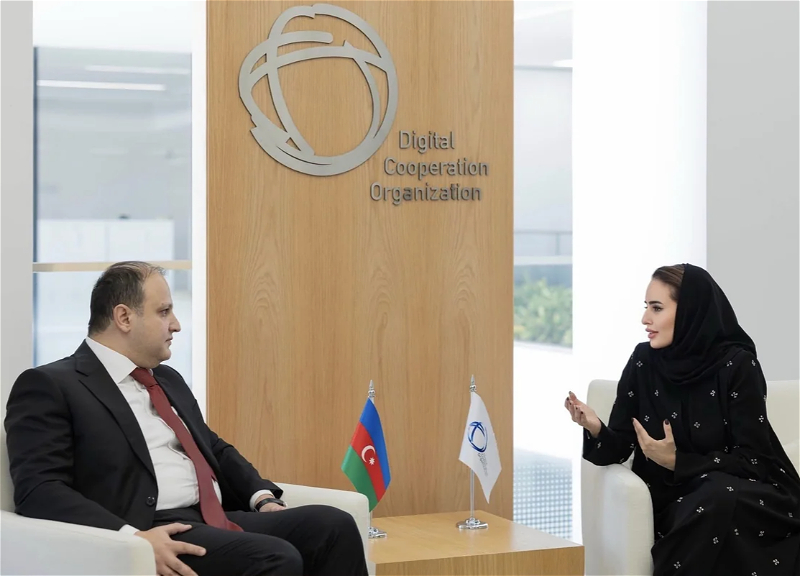
BIG closely cooperates with the Dalit community and pays special attention to broader coverage of caste discrimination in the international agenda. In the near future, a visit by representatives of the Dalit community to Azerbaijan is planned. This cooperation is of great importance from the point of view of bringing to the international community the problems of communities suffering from systemic discrimination in India and ensuring that the voice of the Dalit community sounds more clearly on global platforms.