Iran plans to charge world's largest IT companies for cables in Strait of Hormuz
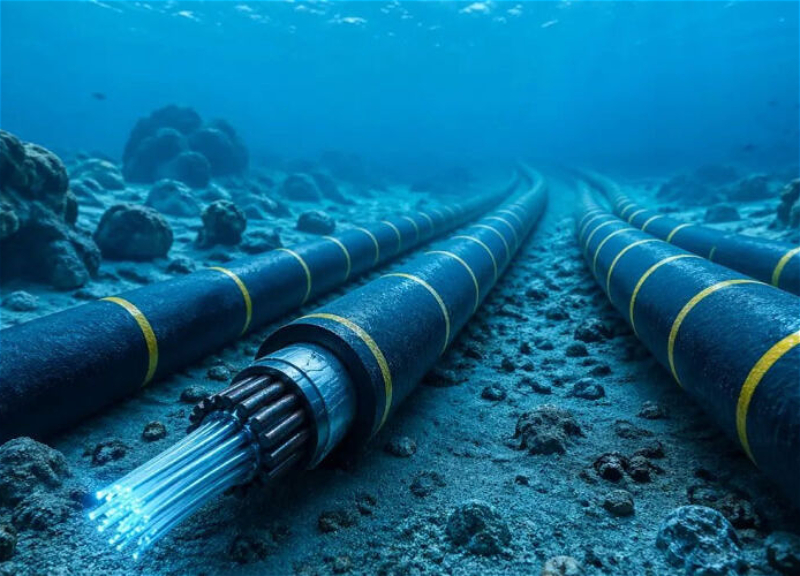
After blocking the Strait of Hormuz, Iran intends to take control of the cables laid under this waterway.
Large volumes of internet traffic between Europe, Asia, and the Persian Gulf pass through them, including data on financial transactions. Reports about this have begun appearing in Iranian media linked to the Islamic Revolutionary Guard Corps (IRGC), CNN noted.
In particular, the publications state that Tehran plans to require companies such as Google, Microsoft, Meta, and Amazon to pay for the use of internet cables. In turn, a licensing fee will be introduced for laying new communication lines, and only Iranian companies will be allowed to service them. "We will charge for internet cables," Iranian army representative Ibrahim Zolfaghari confirmed the media reports.
As CNN notes, American IT companies have invested in laying cables in the Strait of Hormuz and the Persian Gulf, but it is unclear how Tehran intends to force the tech giants to comply, given that they are prohibited from making payments to Iran due to U.S. sanctions.
Several major intercontinental submarine cables pass through the Strait of Hormuz, but most of them are concentrated in a narrow strip along the Omani side of the waterway, says Mostafa Ahmed, senior research fellow at the Habtoor Research Center (UAE). However, two of these cables — Falcon and Gulf Bridge International (GBI) — are laid through Iranian territorial waters, clarified Alan Mauldin of TeleGeography.
According to Ahmed, any IRGC attack on the cables could trigger a cascading "digital catastrophe" across several continents. He noted that the strait is a key digital corridor between Asian data centers, such as Singapore, and certain telecommunications hubs in Europe. Any disruptions could slow trade and cross-border transactions between Europe and Asia, and some areas of East Africa could experience internet access outages. At the same time, according to TeleGeography data, the cables passing through the Strait of Hormuz account for less than 1% of global capacity as of 2025.
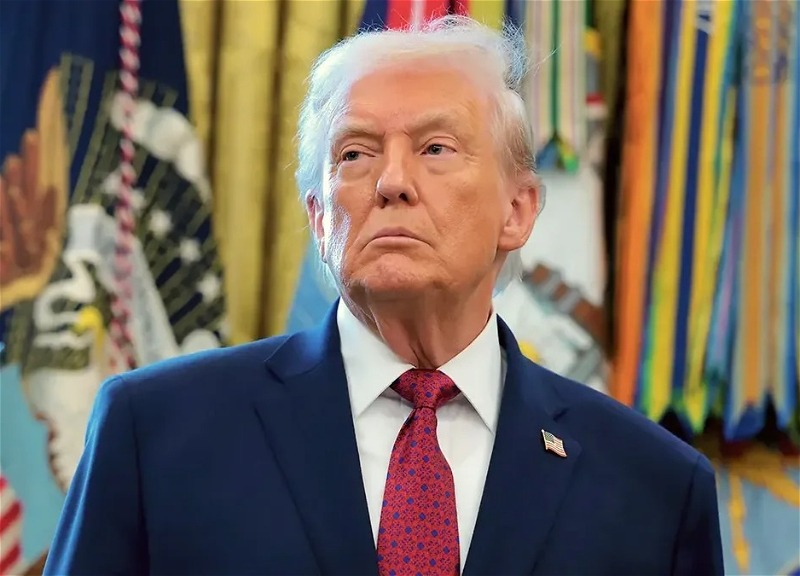
Meanwhile, the war between the United States and Israel against Iran could resume in the near future. According to Axios, on Tuesday, May 19, U.S. President Donald Trump will discuss options for military action against Tehran with his national security team. On the social network Truth Social, he warned Iranians that "the clock is ticking" and threatened a strike "much stronger than before" if they do not offer more favorable terms for a peace deal. He also published an image of a map of the Middle East with Iran in the center, toward which red arrows point from neighboring countries: Iraq, the UAE, Oman, Pakistan, and Afghanistan.
Source: The Moscow Times