Iran and the U.S. sign memorandum on ending the war. Immediately after that, they exchange threats
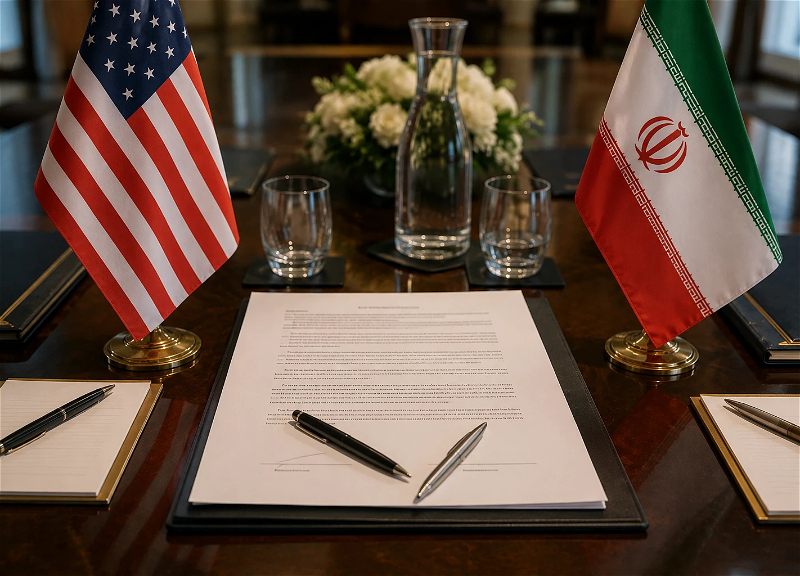
The U.S. and Iran signed a memorandum of understanding on ending the war.
The document was signed remotely, in electronic form, and entered into force.
Later, both sides confirmed the signing. In particular, Iran and the U.S. undertake to respect each other's sovereignty and territorial integrity. The parties also decided to refrain from interfering in each other's internal affairs. The United States undertakes to withdraw troops from areas adjacent to Iran within 30 days after the signing of the memorandum. In turn, Iran undertakes not to charge vessels for passage through the Strait of Hormuz.
The final agreement must be adopted within a maximum of 60 days with the possibility of extension by mutual consent of the parties.
At the same time, Iran and the U.S. exchanged threats and warnings.
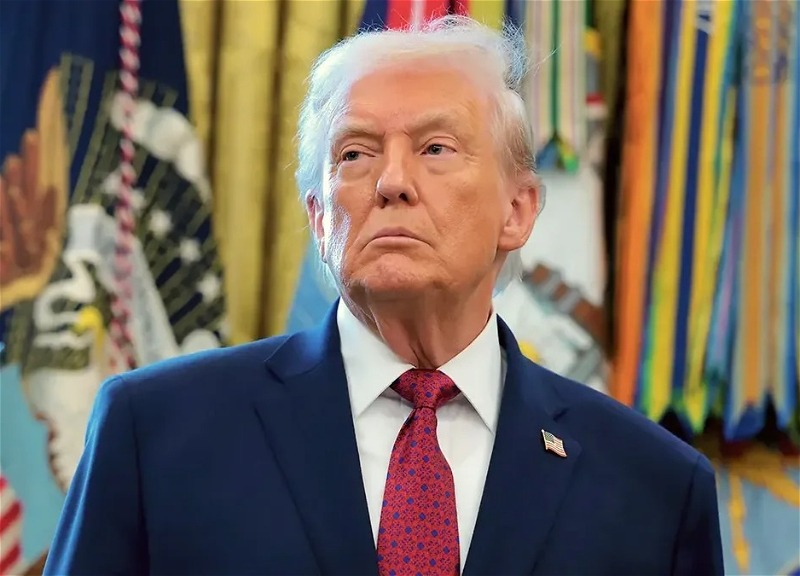
As U.S. President Donald Trump emphasized, the full terms of the signed memorandum will be made public soon. The Americans will begin lifting sanctions on the Islamic Republic if Iran does what is expected of it. When it came to the Strait of Hormuz, the White House chief explained that it is currently partially open. Full shipping should resume this Friday.
At the same time, Trump stated that the U.S. would strike Iran if Tehran violates the agreement. He admitted that he does not want such a development, but if Iran refuses to comply with the terms, it will be bombed "to hell." The politician believes that the other side does not intend to commit any violations.
In turn, Iranian Foreign Ministry spokesman Ismail Baghai warned that Tehran would be entitled to ignore the deadlines for fulfilling its obligations if the U.S. behaves in the same way: "If the Americans delay in fulfilling their obligations, we will also delay."
"We are not going to fulfill our obligations if the other party evades their fulfillment," he explained.
The diplomat added that the text of the memorandum includes negotiations on the nuclear issue and the lifting of sanctions. He noted that outside the memorandum, "Tehran will not miss a single opportunity to document, investigate, and explain crimes committed against the Iranian people."
Trump refused to invest even 10 cents of 300 billion dollars in Iran. One of the points of the memorandum is the development of a plan to restore Iran by America and its allies in the amount of at least 300 billion dollars. U.S. Vice President JD Vance confirmed that Tehran will gain access to the fund if it fulfills its obligations under the agreement.
However, Trump stated that Washington is not transferring even ten cents to Tehran. The American leader also allowed that countries of the Persian Gulf could invest in Iran and noted that he did not ask them to do so, suggesting that "they will not do this until they find out whether the country's behavior has changed."
Later it became clear that the investment fund for the restoration of Iran will be filled by private firms from the U.S., the Persian Gulf countries, Southeast Asia, and other regions. The fund will invest in Iran's energy, logistics, manufacturing, and transport sectors. It will be a private investment instrument, not a reparations program, and will not be funded by U.S. government funds.
Source: Lenta.ru