EU Sanctions Hit Azerbaijani-Origin Oil Traders Over Support for Kremlin’s Shadow Fleet
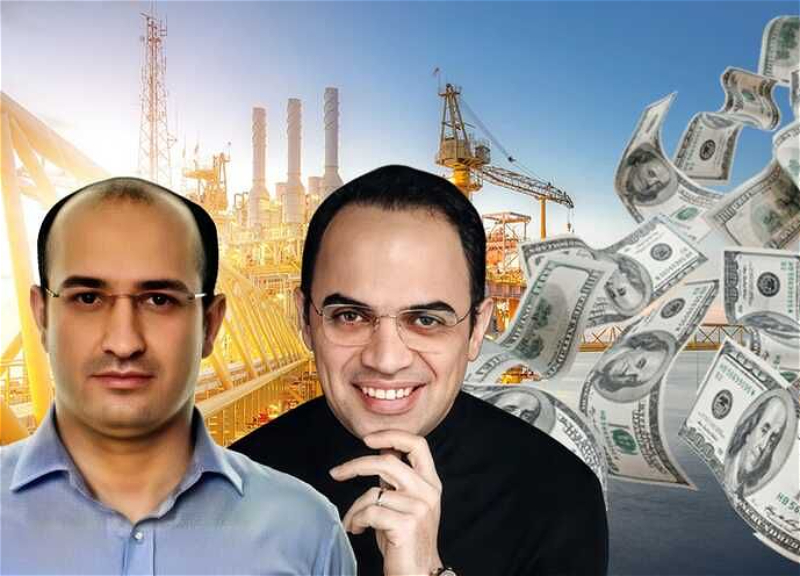
The European Union has escalated its efforts to choke off Russia’s oil revenues, which Western officials say are fuelling Moscow’s war in Ukraine.
On December 15, 2025, Brussels announced its 19th sanctions package, targeting nine individuals and entities accused of helping Russia evade export restrictions through the so-called “shadow fleet”.
Among those listed are three Dubai-based oil traders of Azerbaijani origin – Etibar Eyyub, Talat Safarov, and Anar Madatli – linked to the trading firm formerly known as Coral Energy, which rebranded to 2Rivers Group in 2024.
The measures impose asset freezes and travel bans across the EU, while barring European citizens and companies from doing business with the sanctioned parties. This effectively cuts off access to critical Western insurance and shipping services, a severe blow in the tightly interconnected world of global commodity trading.
Cutting Russia’s Financial Lifeline
Western governments maintain that Russia’s oil exports provide the bulk of the funding for its military operations in Ukraine. Despite a G7 price cap of $60 per barrel and broader export curbs, Moscow continues to sell discounted crude in large volumes to markets such as India and China. The shadow fleet – a network of often ageing, uninsured vessels operating outside Western oversight – has been instrumental in this workaround. The EU plans to add more than 40 vessels to its blacklist this week, bringing the total number of sanctioned ships to around 600.
In its Official Journal, the EU states that the targeted individuals enable the “shipment and export of Russian oil”, thereby allowing Moscow to sustain its war effort.
The Azerbaijani-Origin Traders and Their Team
Several of the sanctioned individuals are private businessmen of Azerbaijani origin based in Dubai, active in international oil trading. Their company, Coral Energy, was founded in 2010 in Singapore and has grown into a significant player in the Russian oil and petroleum products market.
Operations later shifted to Dubai, followed by a management buyout in 2023–2024 that led to the rebranding as 2Rivers Group. The firm subsequently announced it had ceased Russian oil trading by early 2024 and began dissolution proceedings in 2025.
Key members of the team include:
- Tahir Garayev: Founder of Coral Energy.
- Etibar Eyyub: An experienced trader identified in sanctions documents as operating networks involved in Russian oil shipments.
- Talat Safarov: CEO of 2Rivers Group.
- Anar Madatli: Chief commercial officer of 2Rivers Group and shareholder with experience in international commerce.
- Ahmed Kerimov: Chief financial officer and shareholder (approximately 35% post-buyout).
Investigative reports and sanctions documents highlight the group’s extensive business ties to Russia’s state-owned Rosneft, often facilitated through personal connections to its CEO, Igor Sechin.
.jpeg)
Tahir Garayev, the founder of Coral Energy, is a Dubai-based trader who established the company and oversaw its growth into a key player in global energy markets, with offices in Singapore, Geneva, and Dubai. Reports describe him as having a longstanding personal relationship with Rosneft CEO Igor Sechin, which provided privileged access to Russian oil cargoes.
Garayev formally divested his shares during the management buyout but was sanctioned by the UK in May 2025 (not in the latest EU package). He has maintained a low public profile throughout his career.
Etibar Eyyub, approximately 46 years old, has been a pivotal figure in the network for over a decade, often portrayed as Garayev’s key associate and “right-hand man.”
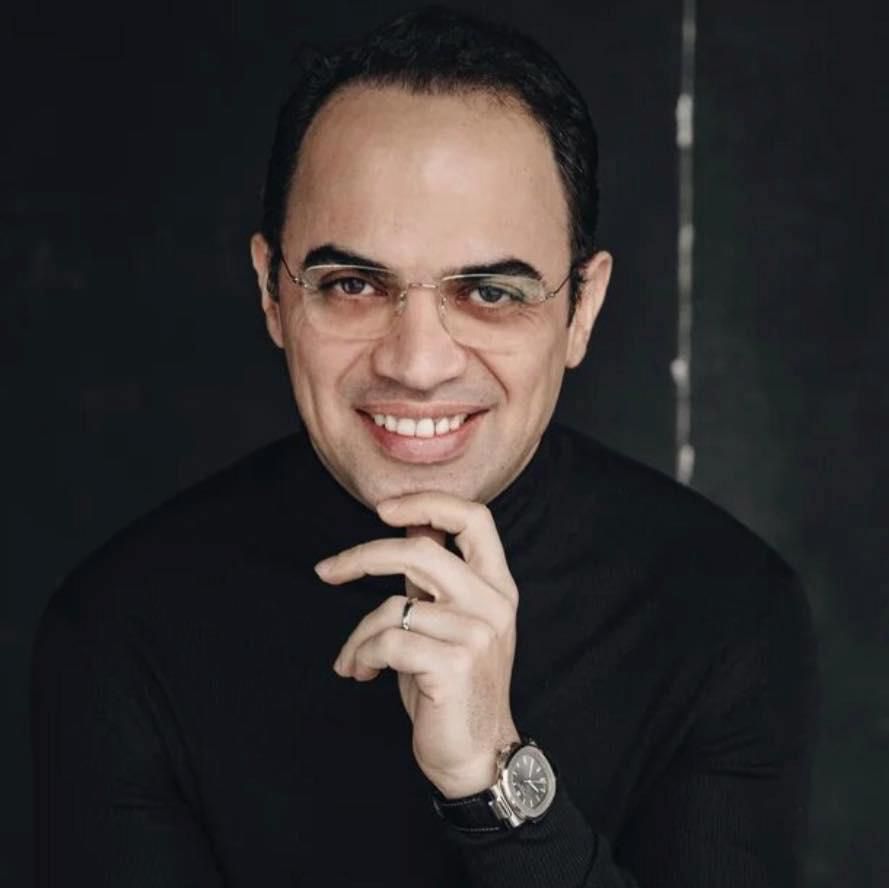
He is involved in managing affiliated entities, such as Nord Axis, used in complex oil deals. Like Garayev, Eyyub is reported to have a close personal relationship with Igor Sechin, including shared activities such as hunting trips; some accounts note he was among the few invited to private family events. These ties are cited in UK and EU sanctions as enabling access to Rosneft supplies. Eyyub was sanctioned by both the UK (May 2025) and EU (December 2025).
Talat Safarov serves as CEO of 2Rivers Group since around 2017 and led the management buyout and rebranding. Prior to commodities, he built a prominent career in Azerbaijan’s insurance sector, serving as Chairman of the Board at Ateshgah Insurance Company—one of the country’s leading firms—and earlier at Kavkaz Insurance.
.jpeg)
He holds a Master’s degree in Law (2000–2004) from Moscow State University. According to his interview with 1news.az, he left Baku in 1996 and lived in Moscow for 10 subsequent years.
Safarov became a major shareholder post-buyout. While no direct personal ties to Russian officials are widely reported for him, his role placed him at the helm during the firm’s peak involvement in Russian oil trading. He was sanctioned by the UK in May 2025 and the EU in December 2025.
Anar Madatli is Chief Commercial Officer and a key shareholder (around 20–25% post-buyout), with a professional background in international trading and project management.
He holds an MBA from Antwerp Management School (2016–2019) and has experience in Dubai-based firms. According to reports, Madatli is Garayev’s brother-in-law, strengthening family ties within the company's leadership. His father, Eynulla Madatli, was the former ambassador of the Republic of Azerbaijan to Ukraine (2010 – 2015). Anar Madatli himself has experience of diplomatic work, as according to some news outlets, worked in one of Azerbaijani embassies.
No specific personal relationships with Russian officials are documented in public sources for Madatli, though his executive role tied him to the group’s Rosneft-linked operations. He faced UK sanctions in May 2025 and EU sanctions on December 15, 2025.
Ahmed Kerimov acts as Chief Financial Officer and the largest individual shareholder (approximately 35% after the buyout). A veteran in financial management with over two decades of experience, he has overseen the group’s fiscal operations during its expansion and relocation to Dubai.
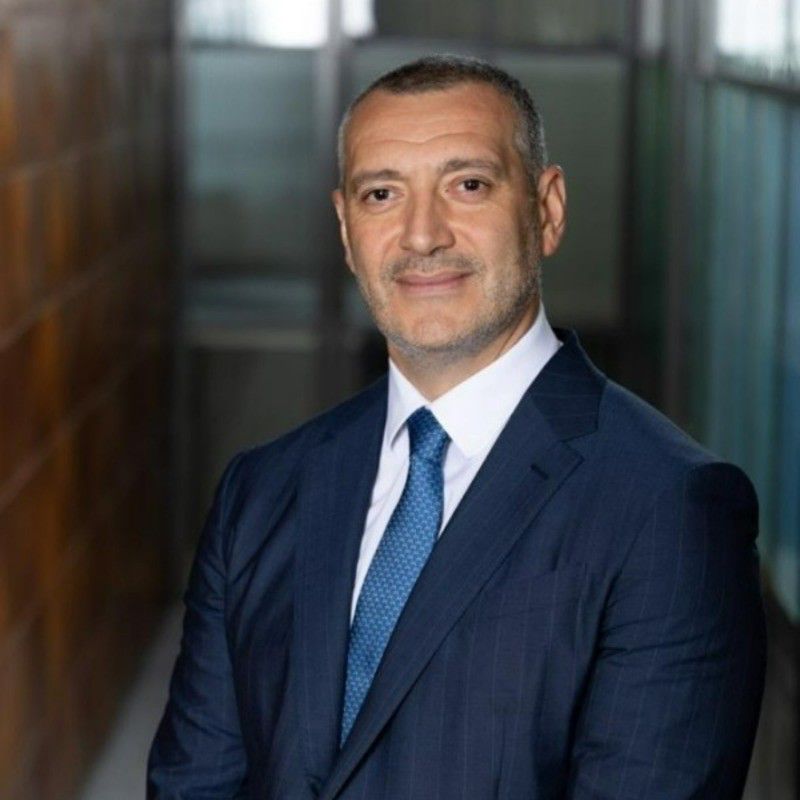
Kerimov holds a university degree and has worked in various industries, from telecom to banking, before joining the oil trading firm. Public reports do not detail his personal connections to Russian officials, focusing instead on his ownership and management roles in facilitating oil trades. He was sanctioned by the UK in May 2025 but not in the EU’s December 2025 package.
The team is often referred to in investigations as a collaborative unit of private entrepreneurs, with Garayev and Eyyub’s reported proximity to Sechin frequently cited as a factor in securing substantial Rosneft volumes.
For these private traders, the sanctions pose substantial challenges. Dubai has emerged as an attractive hub for oil merchants due to its proximity to Asian markets and business-friendly environment. However, EU restrictions can create ripple effects across global finance and shipping networks: banks may pull back, partners may reassess ties, and operational costs could rise sharply.
Affiliated Companies in the Network Beyond Coral Energy/2Rivers Group
The trading group led by Tahir Garayev and associates has been linked in investigative reports and sanctions documents to a web of affiliated entities beyond the core Coral Energy (2Rivers Group).
These companies, often registered in Dubai’s DMCC free zone or other jurisdictions, are described as part of an opaque structure used to facilitate Russian oil exports, including through the shadow fleet. Public sources, such as Wall Street Journal investigations, Wikipedia entries on the group, and EU/UK/US sanctions listings, highlight several key ones. These entities typically served as trading arms, holding companies, or facilitators for complex deals, allowing the network to maintain operations amid growing scrutiny.
Nord Axis Limited stands out as one of the most prominently associated entities. Operated by Etibar Eyyub, Nord Axis was involved in exporting significant volumes of Russian crude and fuel—estimated at least $33 billion in 2023 alone, according to a 2024 Wall Street Journal report. Registered in Hong Kong or similar offshore locations in some accounts, it formed part of the “red” companies directly handling Russian oil trades, separate from “blue” entities for non-Russian business. Nord Axis has been cited in sanctions rationale for enabling shadow fleet operations, with Eyyub’s control emphasized in UK and EU listings.
Bellatrix Energy is another frequently mentioned affiliate, already blacklisted by the United States for its role in the shadow trade. Reports, including Le Monde’s 2024 investigation and Wikipedia summaries, describe Bellatrix as a shell company within the Garayev-Eyyub network, used to circumvent sanctions on Russian oil. It shared addresses or operational overlaps with Coral Energy entities and was part of the broader system orchestrating ghost shipments.
Novus Middle East DMCC, a UAE-based firm, has direct ownership ties to Tahir Garayev. Corporate records show Garayev as the 100% owner, with Novus controlling Vetus Investments Limited (also UAE), which in turn held stakes in Coral Energy structures. This layered setup is portrayed in reports as a mechanism for maintaining control and opacity in the group’s activities.
Other associated companies include Voliton DMCC, also US-sanctioned and linked to the 2Rivers network for similar oil trading roles. Some sources mention additional shell entities emerging post-rebranding, as noted in a September 2025 Project Brazen/Whale Hunting report, which exposed new companies allegedly continuing Russian oil flows despite the group’s claimed wind-down.
These affiliates illustrate the network’s use of interconnected, often low-profile firms to manage risks and sustain access to Rosneft supplies. While the main Coral/2Rivers entity announced cessation and dissolution in 2025, investigations suggest parallel structures helped adapt to sanctions pressure. The individuals and companies have previously denied wrongdoing, asserting compliance with international rules.
Russia’s Shadow Fleet: A Clandestine Network Evading Sanctions
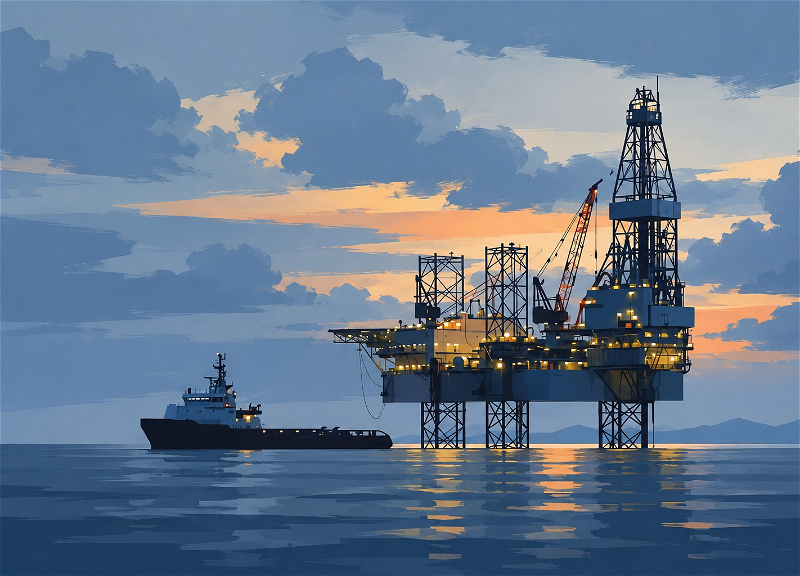
The term “shadow fleet” refers to a vast, unregulated armada of oil tankers that has emerged as a key tool for Russia to circumvent Western sanctions on its crude and petroleum exports.
Since the imposition of restrictions following Moscow’s full-scale invasion of Ukraine in February 2022, this fleet has allowed Russia to continue selling millions of barrels of oil daily, primarily to buyers in Asia, thereby generating revenues that Western officials claim fund the ongoing war effort. Often described as a “dark fleet” or “ghost fleet,” these vessels operate in the shadows of international maritime regulations, posing significant risks to global shipping, the environment, and enforcement efforts.
EU officials, announcing the sanctions package, described the shadow fleet as a direct channel for revenues that finance Russia’s war in Ukraine, enabling the Kremlin to continue its military operations.
Think tanks such as the Atlantic Council have argued that such intermediaries help Moscow earn billions, prolonging the conflict. Publications like the Wall Street Journal have reported that Dubai-based firms form the backbone of Russia’s sanctions-evasion strategy, with the proceeds funding military expenditures.
The shadow fleet’s roots trace back to the early days of sanctions, when the G7 nations, the European Union, and allies introduced a $60-per-barrel price cap on Russian seaborne crude in December 2022, later extended to refined products. This cap aimed to limit Russia’s profits while keeping global oil supplies stable to avoid price spikes. However, Russia adapted by assembling a fleet of tankers that bypass Western insurers, shippers, and financial systems.
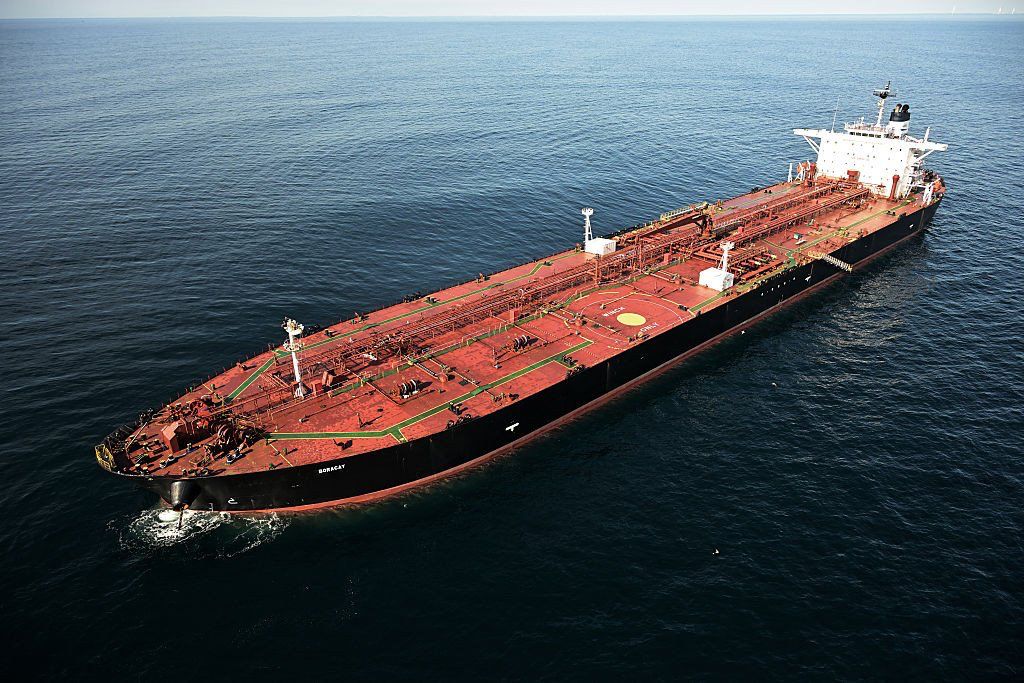
By mid-2025, estimates suggest the fleet comprises around 1,000 to 1,500 vessels, many of which are ageing tankers purchased cheaply from scrapyards or through opaque ownership structures.
These ships are typically registered under flags of convenience from countries like Liberia, Panama, or Gabon, with ownership hidden behind shell companies in places such as Dubai or Hong Kong.
The fleet’s evolution accelerated in 2025 amid intensified Western crackdowns. For instance, a Reuters report from May 2025 highlighted how these vessels often switch flags, names, and owners to evade detection, sometimes disabling Automatic Identification Systems (AIS) to “go dark” during voyages.
Shadow fleet tankers load Russian oil from ports like Primorsk or Ust-Luga, then transport it via indirect routes to destinations. To avoid the price cap, they forgo Western insurance (typically provided by firms in London or Scandinavia) and instead rely on coverage from Russian or non-Western providers, which may be inadequate or non-existent.
A November 2025 report from the Centre for Research on Energy and Clean Air (CREA) detailed that 304 vessels exported Russian fossil fuels that month, with 198 being “G7+” tankers, including 106 shadow ones. These operations generate substantial revenue: Despite discounts, Russia’s oil exports earned an estimated $150–200 billion in 2024–2025, with shadow fleet activities accounting for a significant portion.
The shadow fleet poses multifaceted dangers:
- Environmental Hazards: Many vessels are over 15–20 years old, poorly maintained, and uninsured, increasing spill risks. A 2025 Irregular Warfare Initiative article described them as “floating hazards,” exploiting legal gaps while threatening marine ecosystems.
- Security Threats: Ukraine has accused Russia of using these tankers for drone launches or arms smuggling. An NPR report from October 2025 cited claims of military use, blurring lines between commerce and warfare.
Global Response and Future Outlook
By late 2025, over 600 shadow vessels have been sanctioned, with the EU’s latest package targeting enablers like traders linked to Rosneft and Lukoil. Discussions in the EU, as noted in recent Bloomberg reports and X posts, include visa bans and trade policies to target flag states. Experts warn of the fleet’s expansion, urging tighter international coordination.
In essence, the shadow fleet exemplifies Russia’s resilience in asymmetric economic warfare, but mounting sanctions and risks may erode its viability over time.
As geopolitical tensions persist, this network remains a flashpoint in the broader struggle over energy and security.