The Vance Effect: How Baku Became a Pivot of American Strategy in Eurasia
Political processes rarely unfold along a linear path, which is why the true significance of certain visits, statements, and signed documents often becomes clear only with time, when the informational noise fades and what remains are the bare facts, interests, and decisions made.
However, there are moments when the scale of events is immediately apparent—without allowances for diplomatic niceties or obligatory protocol formulas.
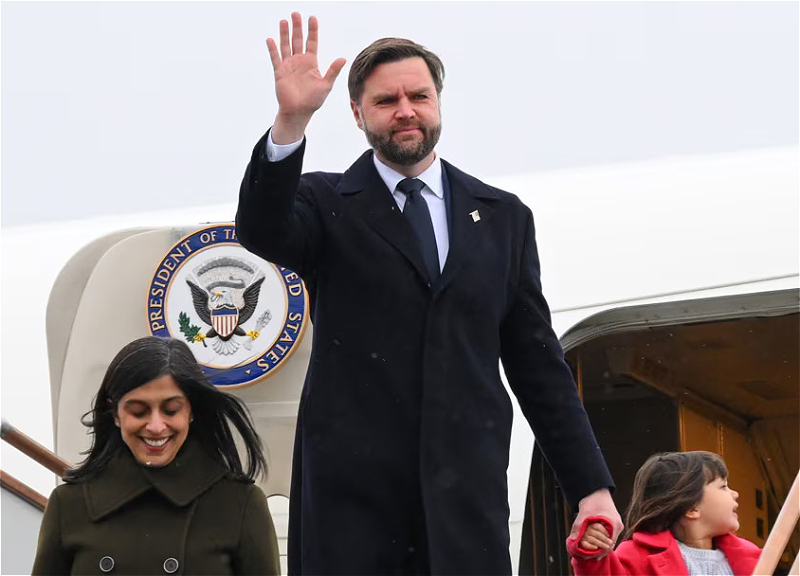
The visit to Baku by U.S. Vice President J.D. Vance and the signing of the Charter of Strategic Partnership between Azerbaijan and the United States is precisely such an event. This was not a symbolic trip or an attempt to “test the waters”—tasks typically handled by lower-level delegations. Vance’s visit was a demonstrative consolidation of a new format of interaction, where pragmatism has finally displaced the ideological clichés of the previous administration, and real interests have taken the place of abstract declarations.
One of the first public statements from the American side following this visit was a post on the social network X by U.S. Deputy Secretary of State for Economic Affairs Jacob Helberg. He described the trip to Baku as “very productive,” highlighting the city’s atmosphere, energy, and level of hospitality, while emphasizing a key point: the Trump administration-initiated International Route of Peace and Prosperity (TRIPP) will forever change the region. At first glance, the wording might seem overly optimistic, but coming from someone responsible for the economic dimension of U.S. foreign policy, such statements always carry practical weight—especially when directly tied to what can only be called a historic visit by Vance and his contribution to laying the foundation for regional stability and joint economic development.
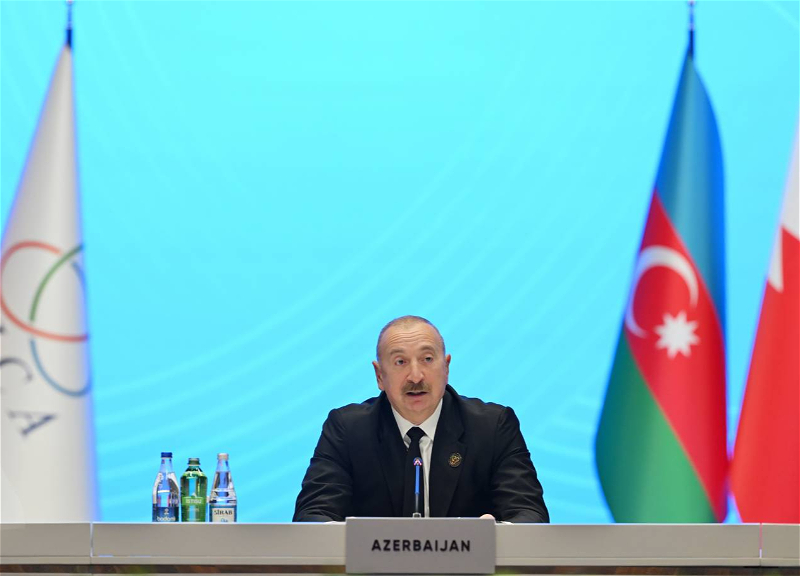
Vance’s visit to Baku and the signing of the Charter were a logical continuation of the new American administration’s course, following the historic meeting of the two countries’ leaders in Washington in August 2025. This course increasingly reflects a transactional model of foreign policy, prioritizing the security of routes, the resilience of supply chains, access to markets, and control over key nodes of global logistics. In this context, Azerbaijan has emerged as the kind of partner with whom Washington is ready to speak the language of long-term agreements rather than temporary political compromises. The meeting between President Ilham Aliyev and J.D. Vance in Baku demonstrated that the United States views Azerbaijan as an independent center of power in Eurasia, capable of ensuring predictability and fulfilling its commitments without external pressure or mediation.
The signed Charter of Strategic Partnership is of fundamental importance precisely because it codifies an already established reality rather than merely declaring abstract intentions. The document reflects recognition of Baku’s significant role in ensuring Europe’s energy security, the stability of transit routes, and the sustainability of infrastructure projects linking East and West. Over recent years, Azerbaijan has consistently proven itself as a reliable supplier of energy resources, an investor in expanding transport capacities, and a guarantor of secure communications in a region traditionally considered high-risk. This reputation has become an asset that is now being converted into political and economic dividends.
The TRIPP project, which was a central topic of the discussions, deserves special attention. The American side positions it as a future artery of global trade, and there is no exaggeration in this description. It refers to a route connecting mainland Azerbaijan with the Nakhchivan Autonomous Republic through Armenian territory, seamlessly integrating into the architecture of the Middle Corridor. This corridor is already seen as a practical alternative to northern and southern routes plagued by geopolitical upheavals and military risks, capable of linking the markets of China and Central Asia with Europe while bypassing unstable zones. Vance’s visit was a direct confirmation that Washington is prepared to invest in the development of this route and ensure its security at the highest level, viewing the Middle Corridor as an element of its own global sustainability strategy.
Vance’s trip to Baku followed his visit to Yerevan. A key signal during his stop in the Armenian capital was a shift in the informational narrative. Vance’s deletion of a post about visiting the memorial complex for victims of the “Armenian genocide” indicated that the United States is no longer willing to tailor its actions to the expectations of lobbying groups at the expense of strategic interests. For professional analysts, this move was crystal clear: the era of symbolic balancing is over, and real geopolitics has taken precedence, with the stability of the South Caucasus directly tied to Azerbaijan’s role and capabilities. The Vance administration has chosen a predictable partner with the resources and political will to maintain regional stability.
The substantive content of the Charter of Strategic Partnership elevates Baku-Washington interaction to a level that seemed unattainable just a few years ago. The document provides for deepened cooperation in security, including the exchange of intelligence information and joint counterterrorism efforts. This is a format in which Azerbaijan acts as an equal participant, shaping the agenda based on its own national interests. Such an approach fully aligns with the line Baku has pursued in recent years, building relations with key global players without sacrificing sovereign room for maneuver.
Equally telling is the reaction of American businesses to the changing political climate in Baku-Washington relations. U.S. companies are actively proposing projects in green energy, high technology, digital infrastructure, and logistics, viewing Azerbaijan as an island of stability in a region of high turbulence. For them, this is a calculated decision based on the understanding that the Azerbaijani side consistently honors agreements and ensures the protection of investments. In an environment where many traditional destinations for capital face unpredictable political decisions, such a reputation holds particular value.
The conclusion of J.D. Vance’s visit left a sense of tectonic shifts that are only beginning to fully manifest. The world witnessed how Azerbaijan, through the calibrated and multi-vector policy of its leadership, has compelled leading powers to take its own rules of the game into account. The Vance Effect lies not in individual statements or protocol photos, but in the documented fact that it is impossible to build a sustainable system of security and logistics in Greater Eurasia without considering Baku’s interests. The signed Charter marks the starting shot for a new stage of the country’s development, opening the door to large-scale projects capable of linking Europe with Asia and cementing Azerbaijan’s status as a global logistical and political hub.
In this context, 2026 can be called the starting point of a new phase in which the strategic alliance between Baku and Washington begins to exert a defining influence on the architecture of regional prosperity. This alliance is built on calculation, mutual benefit, and an understanding of the real challenges of the modern world, where the ability to ensure stability, security, and progress is valued. It is within this coordinate system that Azerbaijan firmly establishes itself among the countries capable of influencing the course of global politics and shaping the rules of the game at the intersection of key global routes.