Ilham Aliyev in Khojaly: The Verdict of History Has Been Executed
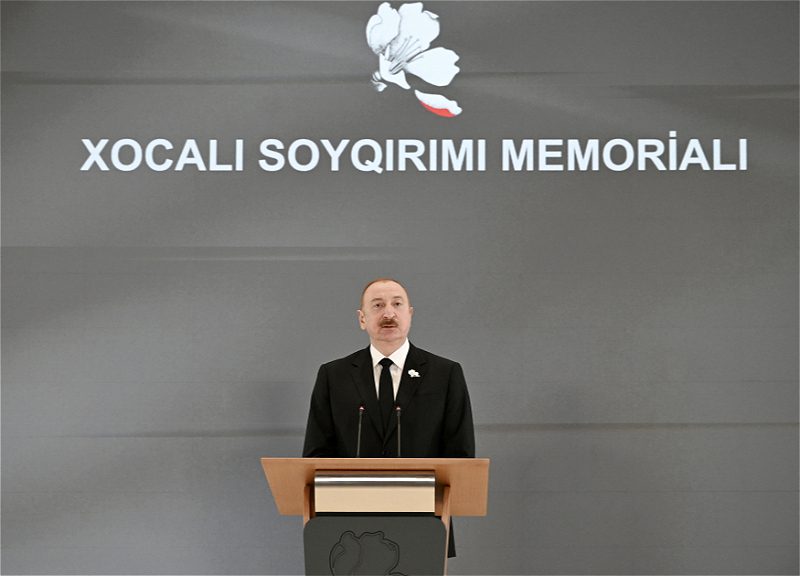
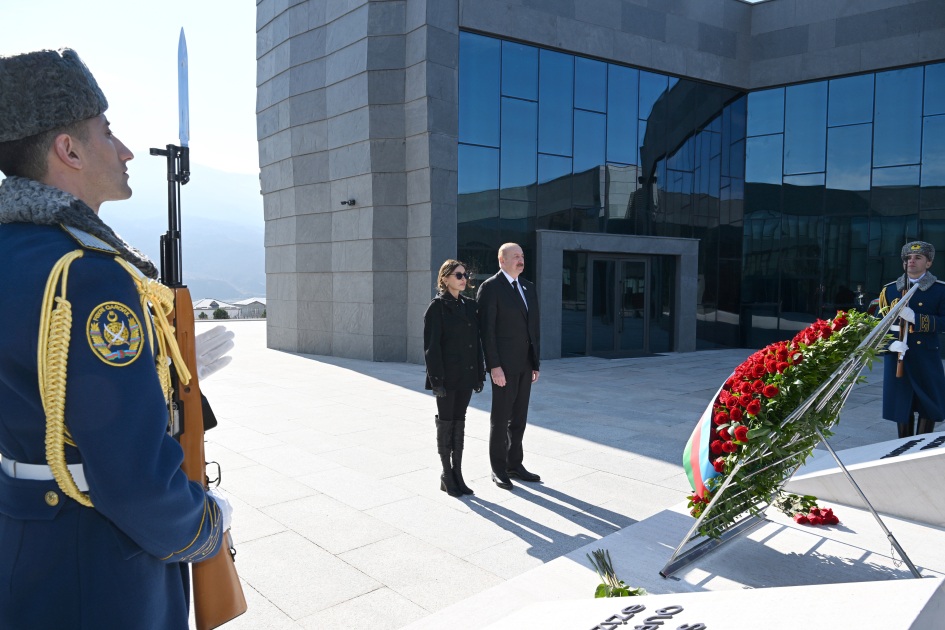
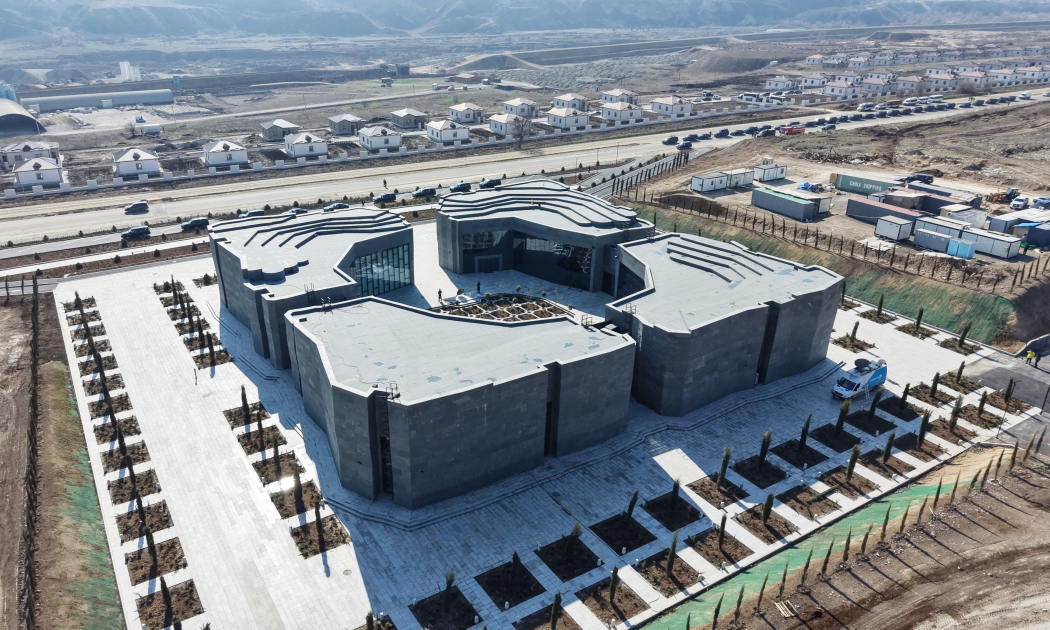
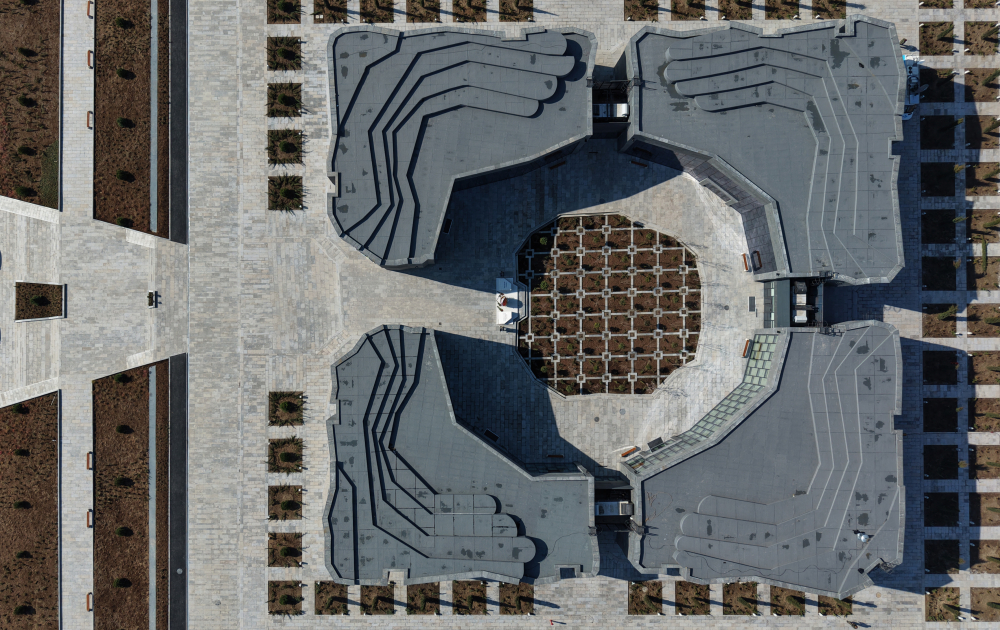
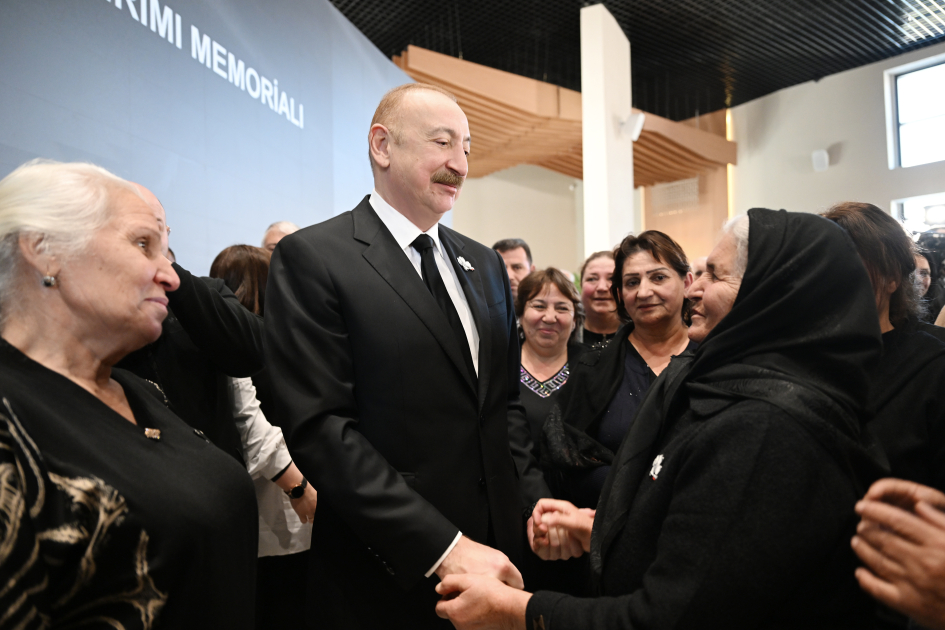
The opening of the Memorial Complex for the Victims of the Khojaly Genocide in the liberated city of Khojaly was not merely an act of national remembrance.
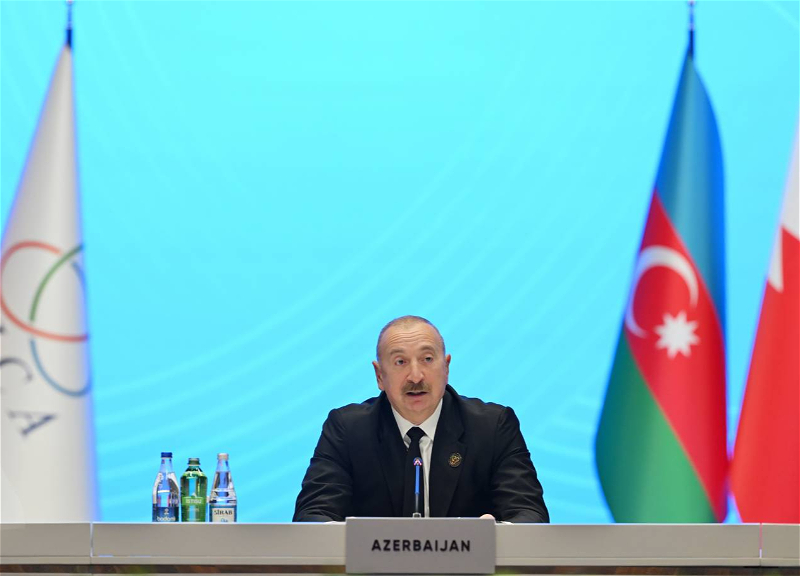
It is a political, moral, and historical statement by the Azerbaijani state to the world. President Ilham Aliyev's speech in Khojaly marked the culmination of a long struggle for truth, justice, and the restoration of sovereignty, while also drawing a line under the era of Armenian separatism.
The President directly and without diplomatic equivocation labeled the Khojaly Genocide for what it truly is:
“The Khojaly Genocide is a bloody war crime committed by the Armenian state and Armenian fascists against Azerbaijanis, against humanity, against humankind. The responsibility for this lies with the Armenian state.”
This formulation is fundamental. It dismantles years of Armenian propaganda attempts to dilute responsibility, portray the tragedy as a “consequence of war,” or even shift the blame onto Azerbaijan itself. The President reminded the audience that in a single night, over 600 civilians, including women and children, were brutally murdered, hundreds went missing, and only after the liberation of the occupied territories were their remains discovered.
Khojaly is not just an episode; it is a symbol. A symbol of how impunity breeds new crimes and how the silence of international structures becomes complicity.
A significant portion of the speech was dedicated to the long-standing struggle for international recognition of the tragedy. The President particularly highlighted the efforts of the Heydar Aliyev Foundation and the “Justice for Khojaly!” movement initiated by the Foundation’s Vice President, Leyla Aliyeva.
“If we had not raised our righteous voice, perhaps today the world would lack truthful information about the Khojaly Genocide,” the head of state declared.
Behind these words lies two decades of systematic work: conferences, symposia, publications, and international campaigns. Despite opposition from the Armenian lobby and its patrons, around 20 countries have already officially recognized the Khojaly Genocide. And this process, as the President emphasized, continues.
From Memory to Justice
The central message of President Ilham Aliyev’s speech was clear and resolute: justice was not handed to Azerbaijan as a gift, nor was it the result of someone’s goodwill. It was earned—consistently, arduously, and at the cost of immense efforts by the state and the entire nation.
The head of state clearly outlined the logic of this journey, stressing that it was not about a single event but a long historical process. First came the international recognition of the Khojaly Genocide, achieved despite resistance from the Armenian lobby and the indifference of numerous international structures. Then came the Patriotic War of 2020, a turning point that shattered the imposed status quo and proved that Azerbaijan could restore justice not on paper, but on the battlefield.
The next stage was the restoration of control over Khojaly—a city symbolizing tragedy and pain, which carried not only military but also profound moral significance. Finally, the logical conclusion of this path was the judicial process in Baku against war criminals—those who for decades counted on impunity and oblivion.
“The bandits who committed the Khojaly Genocide, who stained their hands with the blood of the Azerbaijani people, have been brought to justice,” the President stated.
“This is the complete triumph of justice!”
“As a result of the Patriotic War and the anti-terrorist operation, some war criminals were eliminated by the Armed Forces of Azerbaijan, while the remaining ones, particularly those considered leaders of the separatists, were detained at different times and brought to trial. This is the complete triumph of justice. We ourselves ensured justice; our people, united as one fist, showed great heroism in both 2020 and 2023. We ensured justice ourselves thanks to the professionalism, dedication, and valor of our Armed Forces. Of course, bringing war criminals to justice and organizing a fair trial became the final step on the path to justice.”
These words from the President establish a fundamentally new reality. Azerbaijan did not limit itself to military victory and did not allow the tragedy to remain merely a page in history or a subject of political statements. The state brought the matter to a legal and moral conclusion, demonstrating that crimes against the Azerbaijani people have no statute of limitations, and the expectation of impunity is a dangerous illusion.
This is precisely what sets the Azerbaijani approach apart. Victory was a tool for restoring justice. The trial of war criminals was not an act of revenge but an act of historical retribution, definitively closing an era in which the murderers of civilians could count on protection, silence, or double standards.
International Hypocrisy and Azerbaijani Persistence
President Ilham Aliyev directly pointed out a key problem Azerbaijan faced for decades: international organizations and leading states preferred to turn a blind eye to the obvious. The tragedy of Khojaly did not fit into their convenient framework of “balance,” “neutrality,” and the artificially imposed “equal responsibility of the parties,” where victim and perpetrator were equated for the sake of geopolitical comfort.
“They tried to conceal this bloody crime”—this assessment dismantles the persistent myth of so-called “impartial mediators.” The reality was different: Azerbaijan faced not just indifference but systematic and deliberate suppression, driven by political interests, pressure from the Armenian lobby, and an unwillingness to disrupt established patterns of influence in the region. Khojaly became an inconvenient truth, capable of exposing the double standards of international politics.
Under these conditions, Azerbaijan was effectively urged to accept the situation—to forget, not to insist, and “not to escalate.” This is why the path to justice was so long and difficult. It required not only diplomatic efforts but also political will, strategic patience, and a readiness to go against entrenched templates. Azerbaijan refused to play the role of a silent victim. Step by step, it imposed its own truth on the world, shattering the convenient illusion of neutrality and forcing things to be called by their proper names. It was this persistence that ultimately broke the wall of silence and made Khojaly part of the international agenda, rather than a forgotten page of history.
The Collapse of Armenian Separatism: The End of Illusions
President Ilham Aliyev reminded everyone that neither the Victory of 2020 nor Baku’s repeated warnings were taken seriously in Yerevan. The Armenian side preferred to live in a world of self-deception, continuing to fuel separatism with illusions of external support, weapons, mines, and political patronage from various foreign circles. The strategy was to delay, to maintain a “gray zone,” and to hope that Azerbaijan would accept the remnants of the illegal regime.
The anti-terrorist operation of 2023 was a cold shower for all who harbored such calculations. It vividly demonstrated that the era of frozen conflicts on Azerbaijani soil is over for good, and Baku’s patience has clear and firm limits.
“This was the final nail in the coffin of Armenian separatism.”
This statement by the President is not a metaphor but a political conclusion. It took just a few hours to shatter the myth of the “untouchability” of the illegal regime, which had been externally supported for years and shielded by diplomatic maneuvers. The illusion of protection crumbled instantly, exposing the vulnerability of a structure built on lawlessness and provocations.
This was a moment of truth not only for the separatists but also for their patrons—those who pushed them toward confrontation, promised support, and watched from the sidelines as the system collapsed. Azerbaijan made it clear: any attempts to oppose its will, statehood, and sovereignty are doomed to fail, regardless of the flags or slogans under which they are disguised.
This marked the end of an entire era in which Armenian separatism was seen as a “factor,” a “tool of pressure,” or a bargaining chip. After 2023, it became what it always was: an illegal phenomenon, eliminated by the resolute and precise will of a sovereign state.
The Memorial in Khojaly: The Triumph of Justice
The decision to open the Memorial Complex specifically in Khojaly is deeply symbolic. It represents the restoration of historical logic.
“This was faith in the day that would come…”
That day became proof: Azerbaijan is not merely reclaiming territories—it is reclaiming meaning, memory, and dignity. The Memorial in Khojaly is not only about mourning but also a reminder of the cost of weakness.
“This complex will embody our indelible memory. We must never forget the Khojaly Genocide. We must never forget the atrocities of the Armenian state. We must never forget our history; we must remain vigilant, always be strong, and the enemy must always fear us, just as they do today. It is thanks to this fear that the Azerbaijani people live in peace today,” the President declared.
A State No Longer Asked—But Respected
President Ilham Aliyev’s speech was not only a summary of the path traveled but also a crystal-clear signal for the future. Azerbaijan has definitively moved beyond the role of a state to which things are explained, persuaded, or imposed as “compromises.” Today, Baku does not accept ultimatums, does not conform to others’ scenarios, and does not believe in abstract “guarantees” from outside, which in the past too often concealed double standards and political bargaining.
“Anyone who opposes our will shall be crushed.”
This formula reflects not emotional rigidity but a new architecture of regional reality. In this reality, Azerbaijan is not an object of external control or a field for geopolitical experiments but a full-fledged subject of politics, relying on its own strength, rights, and legitimacy.
The experience of recent years has shown that only a firm stance, backed by economic potential, a professional army, and political will, can ensure lasting peace. This is why Azerbaijan today speaks to the world not in the language of requests but in the language of facts—restored sovereignty, eradicated separatism, and secured safety.
This signal is addressed to everyone without exception, both in the region and beyond. The era in which decisions about Azerbaijan’s fate were made without Azerbaijan is over. Today, Baku itself shapes the agenda, defines red lines, and takes responsibility for stability on its land. And this is precisely why Azerbaijan is no longer argued with—it is respected.
Khojaly has become the point where memory, justice, and state power converged.
The President’s speech in the liberated city is not only a reflection on the past but also a warning for the future.
Azerbaijan remembers.
Azerbaijan has drawn conclusions.
And Azerbaijan will never allow another Khojaly to happen.