The Situation Around Iran Resembles the Atmosphere Before a Major Military Confrontation
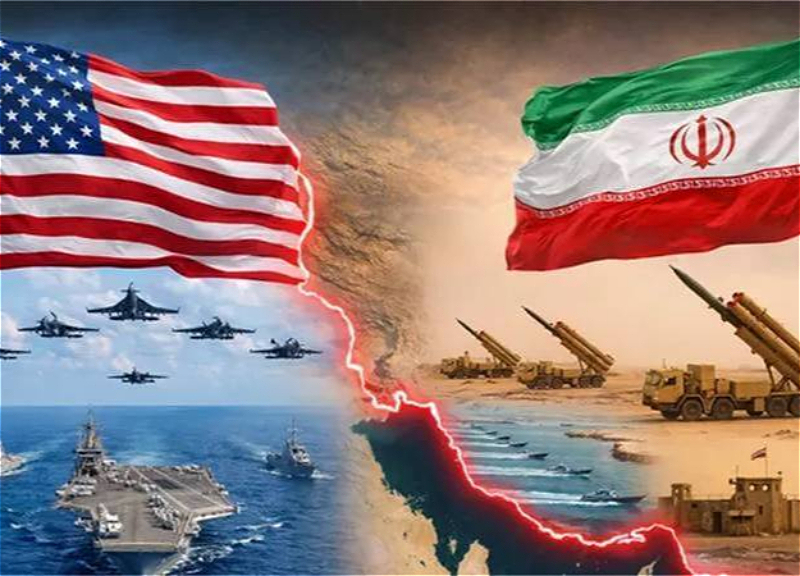
In Geneva, another round of indirect negotiations between the United States and Iran has concluded, with the focus once again on Iran's nuclear program.
The consultations, mediated by Oman, lasted several hours and did not result in any agreements. Nevertheless, representatives from Tehran and the mediators reported "significant progress" and confirmed their intention to continue talks next week in Vienna.
Despite restrained statements about progress, the positions of Washington and Tehran on key issues remain significantly divergent. The U.S. insists on a complete halt to uranium enrichment and seeks to expand the dialogue's agenda, while the Iranian side states its willingness to discuss only the nuclear program, rejecting any shift to other topics.
The negotiations between the U.S. and Iran are unfolding amid persistent tension and a lack of trust between the parties, leading Tehran to once again reject Washington's conditions, emphasizing that it will not make concessions under pressure. This raises the question of whether current diplomatic efforts can lead to a genuine convergence of positions or if they are merely an attempt to prevent further escalation.
Metin Mamedli, head of the department at the Center for Analysis of International Relations (BMTM), commented to 1news.az that the situation surrounding the negotiations between the U.S. and Iran is currently highly contradictory.
According to him, on one hand, several officials, particularly representatives of Iran's Ministry of Foreign Affairs, speak of certain progress and announce the next round of talks for the following week. On the other hand, opposing assessments are voiced, primarily from the U.S., where the need for significant concessions from Iran on several key issues is emphasized.
"Moreover, in a recent address to Congress, Donald Trump made rather harsh statements regarding Iran, creating the impression of a possible new intervention or even a strike. In this context, it is impossible to speak definitively about the real state of affairs in the negotiation process at this time," the expert stressed.
Commenting on the parties' positions on uranium enrichment and sanctions relief, Metin Mamedli noted that serious and fundamental disagreements persist. According to him, the U.S. insists on Iran's complete abandonment of its uranium enrichment program and the transfer of existing enriched material stockpiles, while Tehran asserts that it uses and intends to use nuclear technology solely for peaceful purposes.
"The negotiations are conducted behind closed doors, so there is currently no precise information on what consensus or goals the parties have reached," he added.
Discussing the most likely scenario for the development of events, the expert noted that, in the event of an agreement, a compromise option could be possible, involving partial or full lifting of sanctions in exchange for restrictions on Iran's nuclear program. However, for now, this remains purely speculative.
"The situation around Iran remains extremely complex. Moreover, the likelihood of a military strike by the U.S. on Iran is quite high today. This is indicated by some recent signals, including reports of the withdrawal of staff from the American embassy in Israel, as well as several statements from the Israeli side. All of this resembles the atmosphere that typically precedes a major military confrontation," M. Mamedli noted.
He also emphasized that the situation is exacerbated by deep disagreements on several fundamental issues, including not only the nuclear program but also the topic of ballistic missiles.
"Iran reacts very harshly to demands to abandon ballistic missiles, viewing them as an element of its own defense. The U.S., on the other hand, insists that Iran must give up these weapons. All these factors combined significantly increase the risk of military escalation and direct conflict between the two countries," the expert stated.
Afterword
The upcoming round of negotiations in Vienna could be decisive for the security of the entire region. Whether the parties can overcome mutual distrust or whether the world will witness a new round of armed confrontation remains to be seen in the near future.
Vyusala Azimzade