There Is Nothing Better Than Peace: Aliyev's Concept as the Foundation of Regional Security Amid Global Conflicts
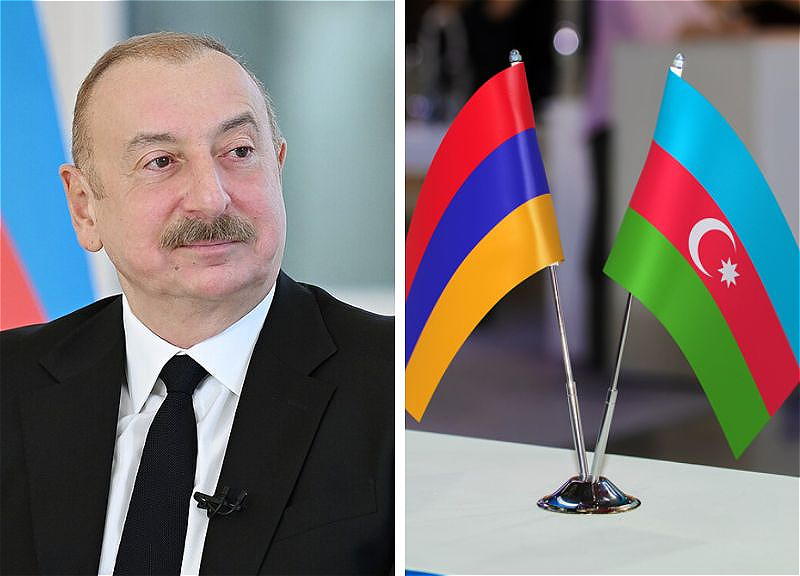
A peaceful, stable, secure, and prosperous future is how Azerbaijan envisions the South Caucasus, and this strategic goal is becoming increasingly evident in Baku's foreign policy.
For Azerbaijan, peace is far from an abstract concept; it is a key objective and a deliberate strategic choice. A country that has lived through years of conflict is now focused on shaping a new regional reality where cooperation, economic integration, and mutual security take precedence.
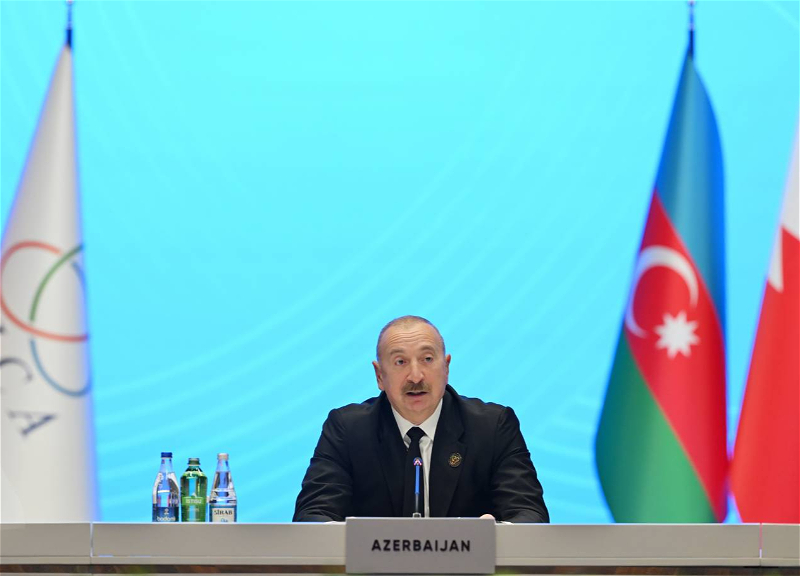
The high value of peace for nations that have endured war is vividly illustrated by the words of President Ilham Aliyev: "Believe me, we know what it means to live in conditions of war or to be in a state of war. That is why countries like ours value peace, perhaps more than any others."
The head of state made this statement on March 11 during a joint press appearance with the President of the European Council, António Costa.
The current stage holds particular significance due to the fact that peace in the South Caucasus is a relatively new but already tangible reality. The Azerbaijani leader specifically highlighted this: "We have been living in peace for only seven months. Our independence was restored in 1991, and only for seven months have we lived in peace."
"But we are already feeling the benefits of this, and I am confident that peace with Armenia will be eternal," he emphasized.
At the same time, Baku views peace not only as a political agreement with Armenia but also as a foundation for practical cooperation. In this context, the President of Azerbaijan noted: "We have already started trade. We have begun supplying essential petroleum products to the republic. We have lifted all restrictions on the transit of goods from other countries to Armenia through Azerbaijani territory."
It is important to note that the initiative to give practical substance to the peace agenda comes directly from Azerbaijan. Baku's specific gestures, demonstrating goodwill and commitment to peace, are not merely declarative but pragmatic and actionable. The decisions of Azerbaijani leadership have a direct and tangible impact on Armenia's economic stability, providing access to critically important resources and creating conditions for strengthening its economic resilience. Since the end of last year, Armenia has been receiving vital goods via the most convenient and cost-effective route: grain through direct transit across Azerbaijani territory, and petroleum products directly from Azerbaijan. These concrete steps reflect Baku's strategic commitment to peace in practice.
"And this once again demonstrates our firm political will, as we have achieved peace not only on paper – the document was initialed by both countries – but also on the ground. This is equally important, as sometimes documents remain just on paper for a long time," stated Ilham Aliyev.
Recent developments confirm that with genuine political will from both sides, peace is achievable. "In our case, from the last bloody military clash with Armenia in September 2023 to the establishment of peace in August 2025, less than two years have passed. And I think this is the best indicator that nations and peoples can reconcile if both sides demonstrate political will and commitment to peace. There is nothing better than peace," said the President of Azerbaijan.
In the current conditions of global instability, where wars, conflicts, and crises affect various regions of the world, the statements of the Azerbaijani head of state take on strategic significance. They show that peace in the South Caucasus can serve as an example for the international community – a value that must be cherished and nurtured.
Azerbaijan today strives to transform the achieved peace into a foundation for long-term regional cooperation. The emphasis is on a comprehensive approach – trade, transit, and energy, the development of transport infrastructure, and humanitarian contacts, including active involvement of civil society.
All these areas serve as tools for strengthening stability and trust – key elements of a peaceful and constructive agenda. Thus, peace ceases to be mere diplomatic rhetoric and becomes a strategy for the sustainable development of the region.
1news.az