Shield of sovereignty: Why Azerbaijan is betting on domestic weapons production
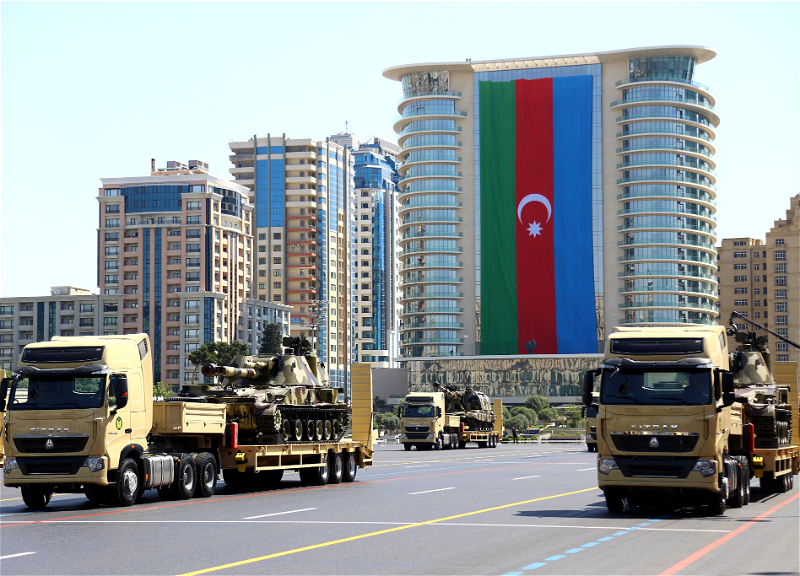
The official visit of Czech Prime Minister Andrej Babiš to Azerbaijan on April 27 marked an important milestone in strengthening the European vector of Baku's foreign policy, while simultaneously giving new impetus to military-technical cooperation between the two countries.
Notably, the main rounds of negotiations and official statements from both sides took place in Gabala—a city that, in these days, has effectively turned into a diplomatic and strategic hub for Azerbaijan. Just forty-eight hours earlier, Azerbaijani leader Ilham Aliyev hosted Ukrainian President Volodymyr Zelenskyy in the same city, transforming Gabala into a focal point for reaching significant agreements that essentially shape a new defense doctrine based on attracting cutting-edge technologies for the needs of the national military-industrial complex. The sequence of these visits underscores the systematic nature of the state’s policy, demonstrating that Azerbaijan is not merely diversifying its procurement but is building a network of partnerships with leading engineering schools worldwide to localize production on its territory.
During a joint press statement in Gabala, Ilham Aliyev particularly emphasized the transition from trade relations to industrial cooperation with Czech partners. The President noted that Azerbaijan has long been a customer of Czech military products, but the current stage requires deeper integration. “We purchase a lot of military products from the Czech Republic, and at this stage, negotiations are underway on specific projects related to joint production,” the head of state stressed, adding that cooperation with the Czech Republic, which possesses immense industrial experience, holds strategic importance for the republic.
In turn, Andrej Babiš confirmed Prague’s readiness to share expertise, calling Azerbaijan a “strategic partner” and highlighting not only the energy sector but also high-tech industries as priorities for Czech investments and technology transfers.
This pragmatic approach to selecting partners allows Baku to assemble a unique technological mosaic, where each country fills its niche. While the Czech side brings traditions of European engineering, artillery, and aviation maintenance to the projects, the recently concluded visit of the Ukrainian delegation added invaluable experience in combating modern high-tech warfare to this formula. The fifth year of the Russian-Ukrainian war has made Kyiv a global leader in anti-drone systems and electronic warfare—technologies that are critically important today for protecting Azerbaijan’s airspace. Combining these competencies at Azerbaijani production facilities enables the creation of hybrid defense systems that are unparalleled in the region. Thus, Gabala has become a platform where European standards and real combat experience are transformed into a sovereign resource for Azerbaijan.
The scale of these ambitions is confirmed by the latest statistical data. According to the April report by the Stockholm International Peace Research Institute (SIPRI), Azerbaijan ranked 6th in the world in terms of “military burden,” allocating 6.5% of its GDP to defense. The increase of this indicator by 1.4 percentage points includes not only the purchase of finished products but also significant investments in creating domestic production capacities and implementing import substitution programs in the defense-industrial complex. In conditions of global instability, having domestic workshops operating under licenses from leading global companies becomes the only reliable guarantee of security. This allows the country to maintain parity in the South Caucasus without becoming dependent on fluctuations in global political dynamics or disruptions in weapons supply chains.
The localization of production, which became a key topic of discussion with Czech and Ukrainian leaders, serves as a factor in this strategy that supports national independence. Establishing closed production cycles within the country enables Baku to minimize risks associated with potential political pressure or sudden changes in the export legislation of partner countries. When critically important defense systems are assembled at domestic facilities, Azerbaijan gains the ability to independently determine the volume and pace of modernizing its arsenal. This forms a reliable diplomatic framework, allowing the republic to strengthen its potential based solely on internal security needs, maintaining a steady distance from the geopolitical ambitions of third parties and avoiding involvement in others’ conflicts.
Ultimately, the series of diplomatic meetings in Gabala showcases to the world a model of a state that, in an era of total instability, bets on pragmatism and industrial self-sufficiency. The ability to integrate Europe’s best engineering solutions and contemporary combat experience into national industry turns international cooperation into an effective shield of sovereignty. The Gabala agreements of April 2026 confirm that Azerbaijan is successfully adapting to the stringent demands of the technological age, creating its own security base that relies less on imported supplies and more on its own potential.