Tanker with first batch of Azerbaijani oil arrives in Japan
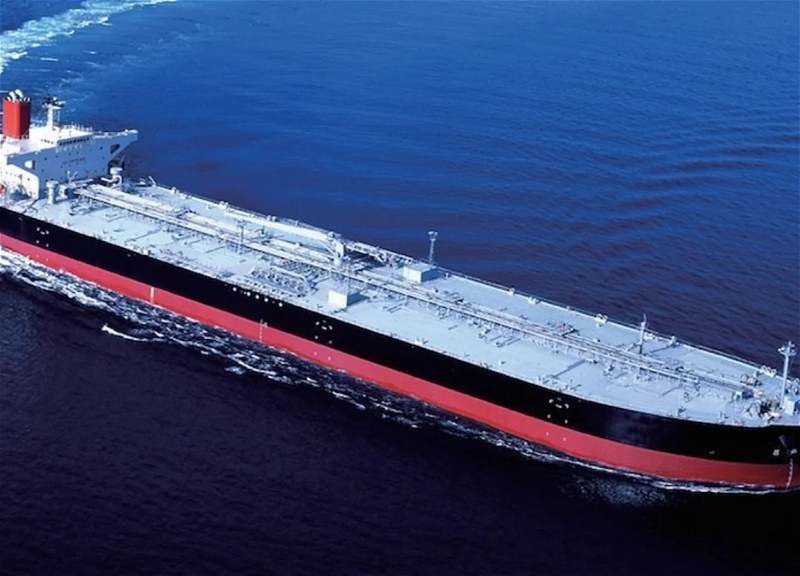
A tanker carrying oil from Azerbaijan has arrived in Japan for the first time since the start of the conflict surrounding Iran.
Japanese public television reported this.
It is noted that the oil was purchased by the local oil refining company ENEOS, which is, in particular, one of the largest operators of gas stations in the country. According to the TV channel, the tanker brought about 45 thousand kiloliters of oil, which corresponds to 16% of Japan's daily oil consumption rate.
The purchase of oil from Azerbaijan is being carried out as part of the diversification of oil supplies to Japan against the backdrop of problems with shipping in the Strait of Hormuz.
Earlier, Japanese authorities have repeatedly made it clear that the government is confident in its ability to fully meet the country's domestic oil needs at least until the end of 2026. It was emphasized that this can be achieved through a combination of alternative oil procurement routes and the release of part of strategic reserves. Alternative routes include, in particular, supplies from the UAE through the port of El-Fujairah and from Saudi Arabia through the port of Yanbu al-Bahr. It was noted that each of these countries can provide about half of the volume of oil needed by Japan for domestic consumption. It was also reported that the US is capable of increasing oil supplies to Japan four times from last year's levels - mainly from terminals in Texas. At the same time, the deficit will be covered precisely through strategic reserves - their release by local authorities began in the middle of last month.
16 March in Japan saw the start of sales of oil from reserves on the market in a volume covering the country's needs for 45 days. It is sold to wholesale companies at relatively low prices corresponding to the level before the start of US and Israeli strikes on Iran. Japan has oil reserves corresponding to its needs for 254 days. They consist of state and private company reserves totaling about 470 million barrels.
Source: TASS