UN: blocking Strait of Hormuz will affect lives of nearly a billion people
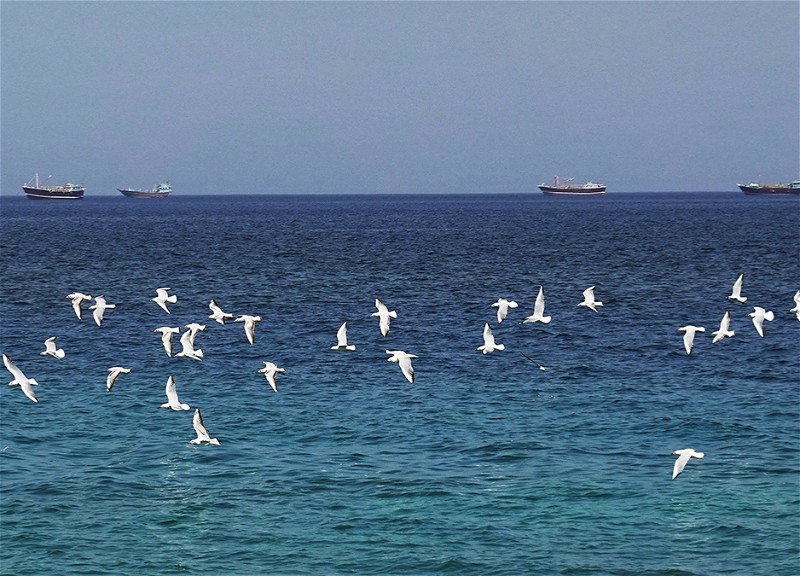
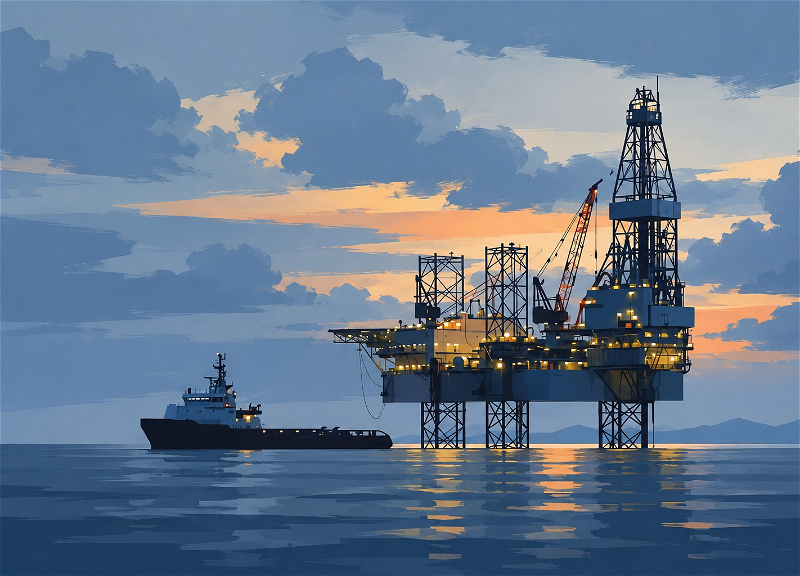
The rise in oil prices caused by the blocking of the Strait of Hormuz will hit the most vulnerable economies and affect about a billion people.
This is stated in a report by the United Nations Conference on Trade and Development (UNCTAD).
The UN noted that of the 75 most vulnerable economies in the world, including the least developed countries and small island states, 65 depend on oil imports. For them, rising energy prices will lead to increased costs and force difficult trade-offs between paying for fuel and investing in basic public services. This will affect the lives of nearly a billion people.
"We are talking about 983 million people. A third of them live below the poverty line — less than $3 a day," clarified UNCTAD spokesperson Marcello Risi.
According to the organization, in countries with vulnerable economies, the cost of oil imports could rise by $20 billion a year if prices continue to grow by 50%. Many states will have to seek alternative supply sources. The report notes that rising oil prices will also drive inflation and could affect net exporters, as well as lead to a global slowdown in economic growth. Increased spending on oil imports could worsen budget deficits, weaken exchange rates, raise interest rates, and tighten lending conditions, especially in economies with limited fiscal space, UNCTAD warned.