UN predicts large-scale drop in Caspian water levels in next 50 years
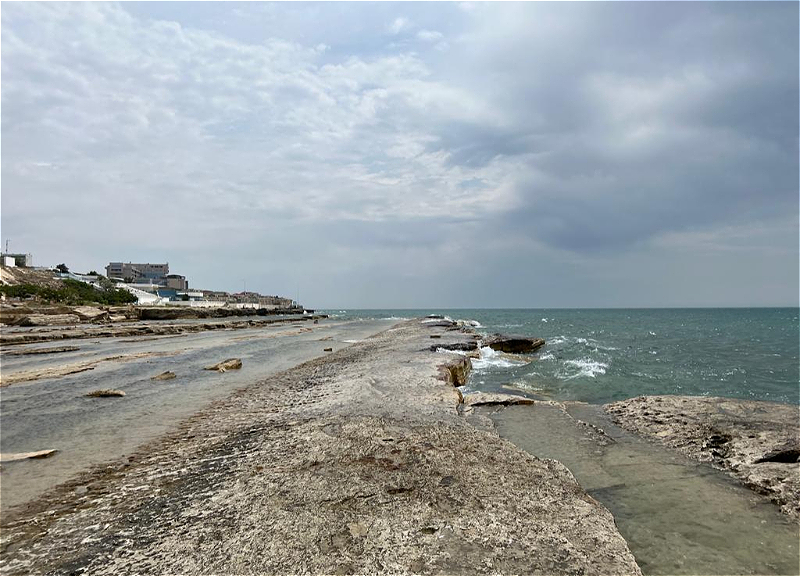
The Caspian Sea is rapidly retreating from the shoreline. According to scientists' forecasts, over the next 50 years the water level will continue to decline, which could affect the lives of millions of people in five coastal countries and cause serious damage to the region's unique ecosystem,
As 1news.az reports, this is stated by the UN News Service.
One of the central themes on the region's climate agenda remains the rapid shallowing of the Caspian Sea, the world's largest enclosed body of water. Its retreat is clearly visible in satellite images: kilometers of exposed sandbanks cut off seaports and fishing villages from the water, which is receding farther and farther from the shoreline.
Scientific forecasts are not encouraging: there is strong evidence that water levels will continue to decline substantially over the next 50 years, directly affecting the lives and well-being of millions of people in the five coastal countries. The main catalyst for this process is global warming, which leads to intense evaporation of water.
In addition to severe economic consequences for humans, the unique ecosystem is under threat. The Caspian Sea is home to several endangered species, including 90 percent of the planet's remaining sturgeon population. Due to the falling sea level, fish are already struggling to access river deltas, where they need to swim upstream to spawn.
In 2003, all five coastal states signed the Framework Convention for the Protection of the Marine Environment of the Caspian Sea (the Tehran Convention), which serves as the basis for environmental protection and sustainable development in the region.
In his official message on the occasion of World Environment Day, observed on June 5, UN Secretary-General António Guterres emphasized that the planet is sending humanity increasingly alarming signals.
"The last eleven years have been the hottest in the history of meteorological observations. The damage caused goes far beyond a simple rise in temperature — from polluted air to land degradation, destruction of ecosystems, and loss of biodiversity. This harms people's health, destroys homes, and exacerbates hunger," the UN chief stated.
Guterres warned that the world is rapidly moving toward temporarily exceeding the 1.5-degree warming threshold. Since each tenth of a degree brings new destruction — especially for the most vulnerable populations — the key task for the global community is to minimize this overshoot and quickly return indicators to normal.
The only sustainable path to energy security, the Secretary-General said, is a sharp reduction in emissions, accelerating a just transition from fossil fuels to renewable energy, and rapidly cutting methane emissions. He also reminded developed countries of the need to fulfill their financial commitments to developing states to save lives and strengthen economies.
Read also:
Where is the sea "going"? Why is the Caspian shallowing and can it be saved
From threat to salvation: how Azerbaijan will restore Baku Bay