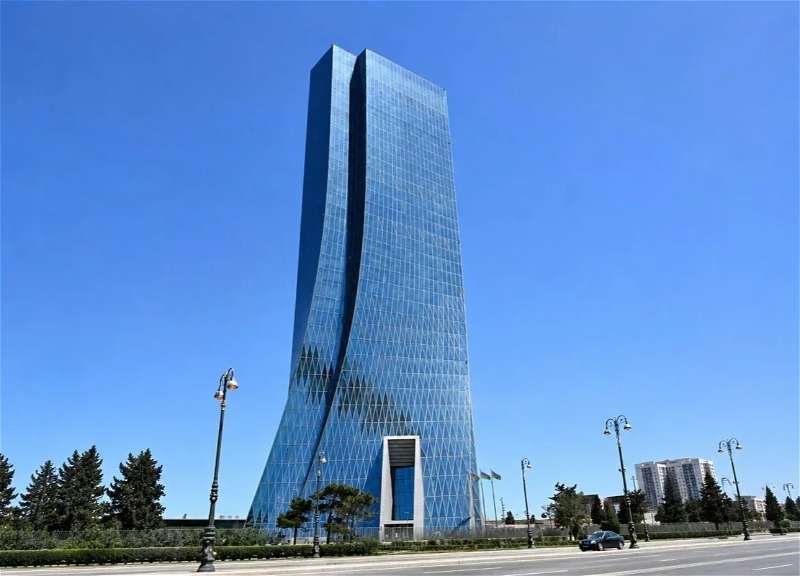
Xiaomi SU7 Door Fails to Open - People Burned: Why Hidden Door Handles Are Being Banned on Electric Vehicles
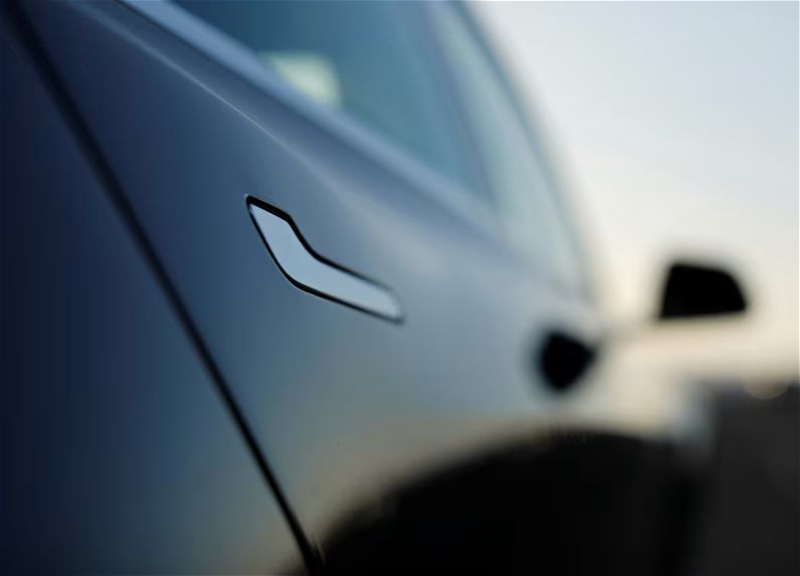
China has become the first country in the world to officially ban hidden door handles on automobiles—a design feature that became a hallmark of Tesla and has been copied by dozens of electric vehicle manufacturers.
On Monday, February 2, the Ministry of Industry and Information Technology of the People's Republic of China announced this decision.
The new regulations mandate that all vehicles sold in China must be equipped with a mechanical means of opening doors, both from the inside and outside.
Elegant recessed handles that extend with the press of a button and are controlled electronically will no longer pass certification. The requirements come into effect on January 1, 2027. New models that have already been certified and are in the final stages of launch will receive a deferment until January 2029.
Why Now?
Behind the wording about "inconvenience in operating external door handles and their inability to open after an accident" lies a series of tragedies.
In March 2025, on a highway in Anhui Province, a Xiaomi SU7 electric sedan crashed into a concrete barrier at a speed of approximately 97 km/h. The car caught fire. Three passengers—university students—perished. According to media reports, rescuers and bystanders were unable to open the doors. Xiaomi's stock plummeted by 21% following the incident, with the company losing about $16 billion in market capitalization within a week.
In October of the same year, another accident involving a Xiaomi SU7 occurred in Chengdu. The car caught fire after a collision. Video footage shows passersby unsuccessfully attempting to open the doors, striking the windows with elbows and shoe soles. The driver died.
The situation in the United States is no better. A comprehensive investigation by Bloomberg, conducted at the end of 2025, documented over 140 consumer complaints about malfunctioning Tesla door handles. Journalists linked at least 15 deaths over the past decade to this issue—in accidents where people survived the impact but could not escape from burning vehicles. More than half of these deaths occurred since November 2024.
A Blow to Tesla at the Worst Possible Moment
Formally, the ban does not name any specific company. In practice, the primary target is clear.
Hidden handles are a signature design element of Tesla, present on all current models: Model 3, Model Y, Model S. Tesla popularized this design for aerodynamics and aesthetics. Now, Tesla will have to redesign.
China is the world's largest automotive market and a critical one for Tesla outside the U.S. In 2025, the company sold approximately 625,700 vehicles in China—nearly 40% of its global sales. However, the year was challenging for Tesla in China: retail sales dropped by almost 5% compared to 2024, and its share of the electric vehicle market shrank from 6% to 4.9%. For the first time in its history, Tesla's sales in China declined year-over-year. The company lost its crown as the leading electric vehicle manufacturer to China's BYD, which sold 2.26 million pure electric vehicles compared to Tesla's 1.64 million.
And now, amidst this, comes a regulatory blow to a key design element.
Redesigning door mechanisms is not a software update that can be rolled out overnight. According to Bloomberg, adapting existing systems to new standards could cost manufacturers around 100 million yuan ($14.4 million) per model. For Tesla, which produces Model 3 and Model Y at its Shanghai factory, this is a double hit to the budget.
Tesla's chief designer, Franz von Holzhausen, told Bloomberg in September 2025 that the company is working on a new handle design combining electronic and mechanical mechanisms. However, there is often a gap between a statement and mass production that not everyone bridges on time.
60% of Bestsellers at Risk
Tesla is far from the only company affected. According to Chinese state media, about 60% of the 100 best-selling electric vehicles in the country are equipped with hidden handles. The law also applies to models from Xiaomi, Aion (a brand of GAC Group), and several others.
However, some companies anticipated the trend. Geely and BYD have already returned to traditional protruding handles in their latest models. Volvo has announced a similar approach.
What This Means for the Global Market—and for Azerbaijan
China is not just a market; it is a factory that sets standards. When China changes the rules, manufacturers typically adapt designs globally rather than creating a separate version for one market. As several industry experts note, changes made for Chinese certification almost always carry over to global production.
In the U.S., a similar process is underway. In January 2026, Congresswoman Robin Kelly introduced the SAFE Exit Act, requiring NHTSA to establish standards for electronic door mechanisms. European regulators have also raised the issue.
For Azerbaijan, this is not an abstract piece of news. Chinese cars—Chery, BYD, Geely—are confidently entering the local market. Tesla, though not officially present, has long been a familiar sight in Baku traffic, entering the country via Georgia and the UAE. Changes in vehicle design for the Chinese market will directly impact the cars that end up on our roads.
Based on materials from CNN, Bloomberg, Reuters, Electrek, InsideEVs, CnEVPost, TechCrunch.