Humanism as a Strategy: Azerbaijan Extends a Helping Hand to Iran
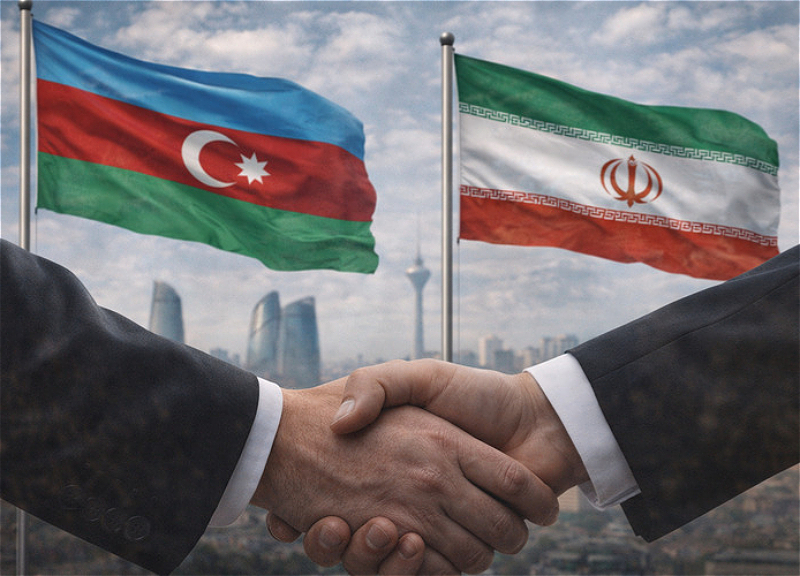
On the backdrop of regional challenges, Azerbaijan once again reaffirms its commitment to the principles of humanism, good neighborliness, regional solidarity, and support.
President Ilham Aliyev has instructed the dispatch of humanitarian aid to Iran, aimed at supporting the neighboring nation during a difficult period.
The humanitarian aid is being transported by vehicles of the Ministry of Emergency Situations and includes approximately 30 tons of food supplies, reported Emil Hasanzade, Director of the Reserve Control Department of the State Reserves Agency of Azerbaijan. Specifically, he noted that the aid consists of 10 tons of flour, 6 tons of rice, 2.4 tons of sugar, over 4 tons of drinking water, about 600 kilograms of tea, as well as around 2 tons of medicines and medical supplies. Hasanzade stated that the vehicles carrying the humanitarian cargo have already been dispatched and will reach their destination in the shortest possible time. It was highlighted that the humanitarian aid was organized to support the current needs of the neighboring and friendly Iranian people following a telephone conversation on March 8 between the Presidents of Azerbaijan, Ilham Aliyev, and Iran, Masoud Pezeshkian.
The convoy with humanitarian aid is accompanied to the Iranian city of Astara by responsible officials from the apparatus of the Cabinet of Ministers of Azerbaijan.
This step once again underscores that Azerbaijan not only declares the principles of humanism but also consistently implements them in practice, supporting neighbors in difficult moments while simultaneously fostering an atmosphere of mutual responsibility and solidarity in the region. Azerbaijan's humanitarian policy is not limited to supporting only neighboring states. Baku has consistently provided assistance over the past years to countries and peoples facing humanitarian challenges, regardless of geographical distance.
Thus, in accordance with the instructions of the head of the Azerbaijani state, Baku has been providing humanitarian aid to Ukraine for a long time. Based on requests from the Ukrainian side, Azerbaijan regularly sends shipments of electrical equipment. To date, the total volume of humanitarian aid provided by Azerbaijan to Ukraine, including support for restoration and reconstruction projects, has exceeded $45 million.
Azerbaijan's humanitarian activities also extend to other regions where peoples face the severe consequences of conflicts and humanitarian crises. In this context, special attention is given to supporting countries in the Middle East experiencing prolonged periods of instability and recovery. Striving to contribute to resolving the humanitarian issues faced by the Syrian people, Azerbaijan was among the first to extend a helping hand, expressing readiness to participate in the process of rebuilding the war-torn country. Today, humanitarian shipments from Azerbaijan to Syria include various food supplies.
An important element of Baku's support has also been energy cooperation with Damascus. Azerbaijani natural gas, supplied to Syrian territory from Turkey since last August, has become not only a source of energy but also a symbol of solidarity with the friendly nation. On the other hand, this demonstrates Azerbaijan's significant role in both energy diplomacy and geopolitical responsibility.
Azerbaijan's humanitarian policy is particularly evident during global crises. Notably, during the COVID-19 pandemic, the country provided financial and humanitarian assistance to more than 80 countries worldwide. President Ilham Aliyev, as the Chairman of the Non-Aligned Movement, put forward several global initiatives at the UN General Assembly, particularly raising the issue of 'vaccine nationalism.' These initiatives drew international attention to the problem of equal access to vaccines for countries and became a significant contribution to shaping fairer approaches to combating the pandemic.
Azerbaijan's humanitarian policy is reflected not only in the provision of material aid and international initiatives but also in concrete steps to protect people during crises. In this context, amid the ongoing military escalation in the Middle East, Baku's actions aimed at evacuating foreign citizens from the region draw particular attention.
All these steps collectively demonstrate that Azerbaijan's humanitarian diplomacy encompasses a wide range of areas—from providing material assistance and international initiatives to practical measures for saving people in conflict situations. As evident, Azerbaijan consistently mobilizes its capabilities to strengthen regional stability and promote humanitarian values.
This reflects the established model of the country's foreign policy, in which the principles of solidarity, humanism, and responsibility find practical implementation. Such an approach and the strategic vision of the head of state not only expand Azerbaijan's humanitarian role on the international stage but also enhance its authority, increasing trust and reaffirming the country's status as a responsible and reliable partner.