Closed Borders as a Strategy: Why Baku's Decision Proved Farsighted
Sometimes in politics, decisions that initially seem temporary and situational are later perceived in an entirely different light.
History offers numerous examples of steps taken under specific circumstances that gradually evolved into elements of long-term strategy, shaping a state's resilience for years to come. Often, it takes time and a certain distance from the moment of decision-making to grasp their true significance. Only after several years does it become clear that these were not mere reactions to a single crisis but part of a deliberate course of action designed to protect the country in a rapidly changing world.
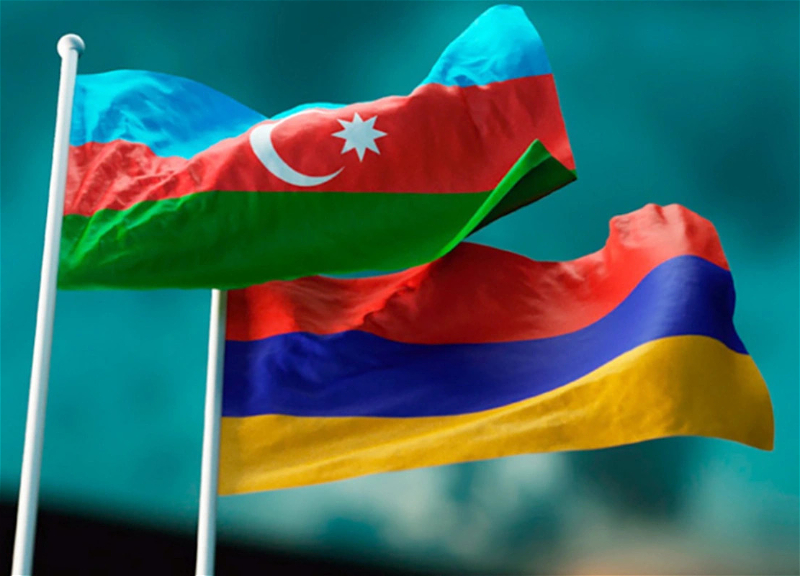
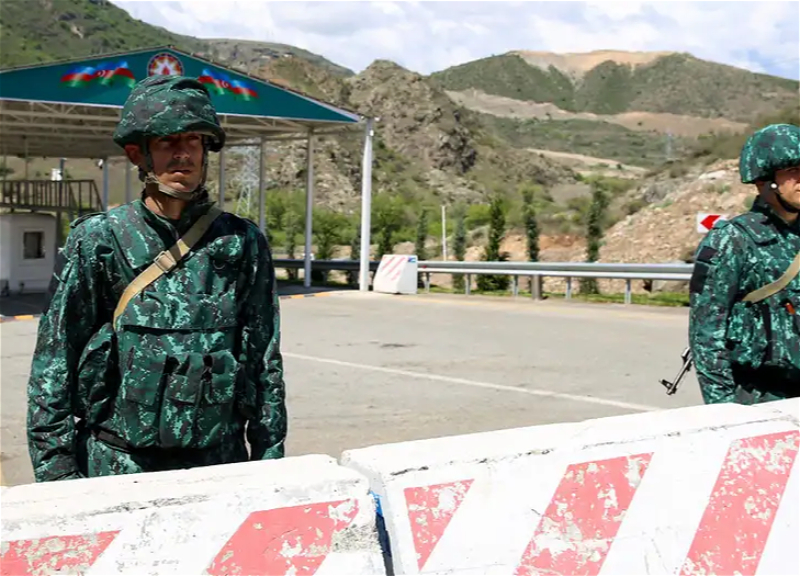
It is in this context that Azerbaijan’s decision to close its land borders, in effect since the spring of 2020, is viewed today. At the time, in the early days of the global COVID-19 pandemic, it seemed a natural step, one taken by many countries. Restricting the movement of people was seen as a temporary sanitary measure aimed at curbing the spread of a dangerous infection. Amid the uncertainty and anxiety gripping the world, such decisions were regarded as part of a global practice.
Later, when the World Health Organization declared the end of the global emergency status, most countries gradually returned to normal border-crossing regimes. However, Azerbaijan maintained its restrictions. Initially, this caused some inconvenience for certain citizens. Many were accustomed to taking short vacations or spending holidays in neighboring countries, traveling by car. The restrictions on land travel inevitably disrupted this familiar routine.
Over time, it became evident that the decision made in 2020 had deeper roots than the initial sanitary necessity. Closed land borders became part of a comprehensive approach to ensuring national security amid growing instability in the surrounding region. Events of recent years have convincingly shown that the geopolitical environment around the South Caucasus is undergoing significant transformations, accompanied by rising military and political risks.
Azerbaijan emerged as one of the few states in the region to act cautiously, prioritizing long-term security interests. The leadership of Azerbaijan chose to maintain the closed land border regime, assessing the potential consequences of ongoing regional processes. This approach reflects a commitment to resist short-term pressures and make decisions with a forward-looking perspective.
It is important to emphasize that this is not a policy of isolation. The closure of land borders should not be seen as a sign of distrust toward neighboring states or a rejection of international cooperation; it is a state management decision based on risk analysis and the specifics of the regional situation. Over time, the logic behind it has become apparent.
Azerbaijan’s geographical position offers vast opportunities while simultaneously demanding heightened attention to security issues. The republic lies at the crossroads of critical transport routes and participates in major energy and infrastructure projects connecting various parts of Eurasia. At the same time, its proximity to large states and conflict zones makes the surrounding situation complex and fluid.
To the north, the war between Russia and Ukraine, which began in 2022, continues. This conflict, the largest armed confrontation in Europe since World War II, impacts the entire regional security framework. Military actions, sanctions standoffs, and related economic processes inevitably affect neighboring countries and regions.
The southern direction is also experiencing a tense period. For the seventh day, armed conflict between Israel and the United States against Iran persists. The situation is evolving rapidly and drawing the attention of the international community. A similar escalation occurred last June and lasted 12 days. The current confrontation is unfolding faster and is marked by the more extensive use of modern warfare technologies.
Against the backdrop of this escalation, an incident occurred that vividly demonstrated how unpredictable the situation at Azerbaijan’s southern borders can be. Recently, the territory of the Nakhchivan Autonomous Republic was targeted by Iranian drones. One drone was destroyed by Azerbaijan’s air defense system, another crashed on the territory of Nakhchivan Airport, and a third fell near a secondary school. Fortunately, there were no fatalities, aside from four injured individuals, but the incident itself provoked serious outrage in Baku.
This is especially notable given that Azerbaijan has maintained a distinctly neutral stance since the onset of the current conflict, refraining from actions that Tehran might perceive as unfriendly. Moreover, Baku expressed readiness to provide selfless assistance to Iran in evacuating its diplomats from Lebanon and to send humanitarian aid to conflict-affected areas in Iran. Furthermore, President of Azerbaijan Ilham Aliyev—virtually the only head of state to do so—personally visited the Iranian embassy to express condolences over the death of Ali Khamenei.
Against this backdrop, the drone attack on Nakhchivan, which occurred the very next day, appears, to put it mildly, as a peculiar form of “gratitude” for the diplomatic correctness and restraint shown. In Baku, this episode was perceived as a blatant act of ingratitude, further confirming that in conditions of regional instability, even gestures of goodwill are not always met with an adequate response.
The war in Iran, like all modern conflicts, is characterized by the use of missile systems, drone technologies, and cyber warfare tools. Such factors, as evidenced by yesterday’s incident, increase the likelihood of instability spreading beyond the immediate combat zone. In such an environment, border control issues take on particular importance.
If Azerbaijan’s land borders were fully open, it would create additional risks. These include challenges in migration control, increased cross-border crime, drug trafficking, and the infiltration of radical ideologies. Such threats are being discussed in many countries worldwide today and require serious attention from state institutions.
At the same time, Azerbaijan demonstrates adherence to humanitarian principles. Even with the restrictions in place, the country opened its land border with Iran to facilitate the evacuation of foreign citizens fleeing the conflict zone. A similar humanitarian corridor operated during last year’s escalation and remains active during the current period of tension.
To date, thanks to this decision, around one and a half thousand foreign citizens have been able to leave the war zone and cross into Azerbaijan, from where they can safely return to their home countries. Hundreds of people use this route daily to escape the now-raging conflict in Iran. Baku’s approach demonstrates the ability to balance strict security measures with responsibility to the international community.
Notably, public perception of the closed land border policy has changed significantly over the past few years. People who once viewed the restrictions as temporary inconveniences now increasingly acknowledge that such a measure has helped avoid serious problems and maintain internal stability. And stability, as is well known, is the foundation of a state’s prosperity.
President of Azerbaijan Ilham Aliyev himself has repeatedly explained the reasons behind this decision. In one of his speeches, the head of state emphasized: “In today’s geopolitical situation, which is evident to everyone, this is the only correct step to ensure internal security. I can say with full confidence that the fact that our land borders have remained closed in recent years has saved us from very major catastrophes. Even today, with the borders closed, dangerous actions are attempted, and they are thwarted. In Azerbaijan, security, peace, and stability have been ensured for many years and can serve as an example to the entire world. Everyone knows that no state can develop without stability. Today, everyone can clearly see the situation and fate of countries with disrupted stability. Stability is the main condition for security, development, and attracting foreign investment.”
This assessment, made nearly two years ago, is now seen as an accurate description of ongoing processes. Unfortunately, wars and clashes continue to occur worldwide, accompanied by growing migration flows, intensifying competition for resources, and instability in international relations. Many countries face issues related to crime, social tensions, and economic losses.
Azerbaijan has managed to maintain a stable internal situation and ensure the safety of its citizens. Control over land borders has played a significant role in this. It has allowed the state to more closely monitor cross-border processes and promptly address potential threats.
Today, borders are no longer just lines on a map. They are conduits for the movement of people, goods, technologies, and ideas. Managing such flows requires precise calculation and responsibility from the state. Maintaining the closed land border regime has enhanced oversight of cross-border activity and reduced the likelihood of crisis situations. The primary goal of this policy is to protect citizens and sustain a stable internal environment.
At the same time, the country continues to actively engage with the outside world. Azerbaijan’s air borders remain open, welcoming thousands of passengers from various countries daily. Trade, investment projects, and tourism ties continue to develop. This confirms that the approach involves balanced management of different channels of international interaction.
Thus, the decision to maintain the closed land border regime should be viewed as an element of a well-thought-out state strategy. It reflects the leadership’s commitment to ensuring security and stability during a period when the international situation remains complex and unpredictable.
Over time, it has become evident that a step once seen as a temporary measure turned out to be part of a broader line of state policy. It is precisely such decisions, made in advance and based on a clear understanding of ongoing processes, that enable states to navigate periods of global turbulence while maintaining resilience and confidence in their future. The experience of recent years shows that the path chosen by Azerbaijan has proven justified.