NYT: Trump's rhetoric on destroying Iran goes beyond negotiating bluff and undermines US credibility

President Trump's threats are undermining his reputation as a negotiator and the country's authority on the world stage — this is the conclusion reached by The New York Times in an analytical article published on April 7.
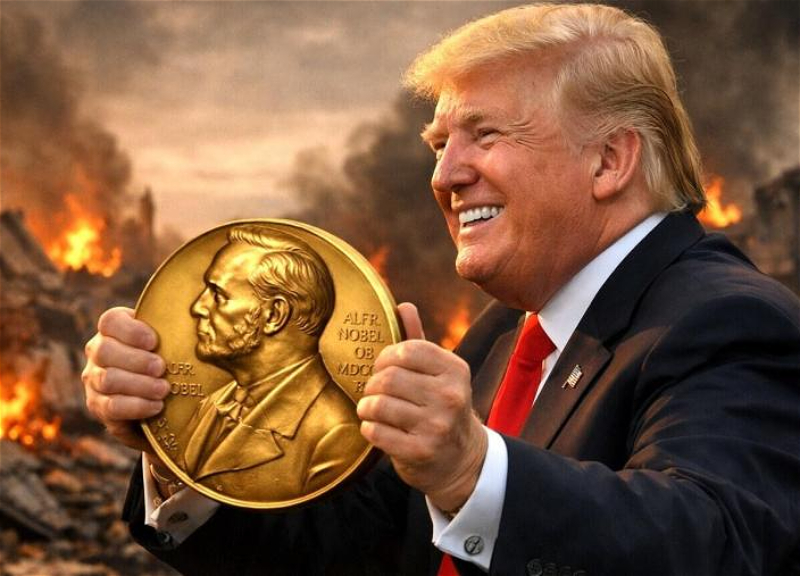
According to the newspaper, Trump's statement that "an entire civilization will die tonight" was delivered with the same casual bluntness that has become the hallmark of the American president.
The threats were posted on Truth Social — in a feed interspersed with advertisements for bullet-shaped souvenirs, patriotic caps, and an announcement of a gala dinner at Mar-a-Lago. This, as NYT notes, has become a typical morning update from Trump's White House: a warning of mass destruction and actions that international law would classify as war crimes.
In the same post, Trump wrote that now, with a "complete and total regime change" in Iran and the rise of "other, smarter, and less radicalized minds" to power, something "revolutionarily wonderful" might happen. "We will find out tonight — in one of the most important moments in the long and complex history of the world," NYT quotes him as saying.
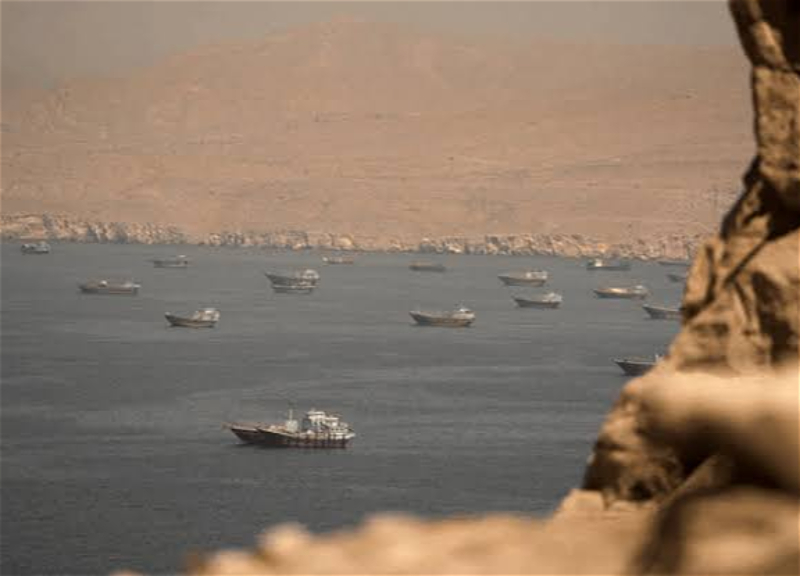
The publication recalls that two days earlier, on Easter, Trump addressed Iran with a demand to reopen the Strait of Hormuz — in terms far beyond diplomatic language, concluding the post with the phrase "Praise be to Allah." According to NYT, this message "ruined" the main holiday of the Christian calendar.
The president's advisors, the newspaper notes, viewed the escalation of rhetoric more as a negotiating tactic. In their opinion, the heightened tension indicated that Trump was more interested in exiting the war than in actually delivering a devastating blow. That same Tuesday evening, the president indeed switched to diplomat mode, announcing the acceptance of a Pakistani proposal — a two-week truce and the immediate reopening of the Strait of Hormuz. "It is my honor to see this longstanding issue close to resolution," he wrote.
However, NYT points out that even by Trump's standards, with his long history of statements far outside the norm, his latest remarks bear the mark of an impulsive leader accustomed to getting his way through coercion and unpredictability — but this time failing to achieve the desired result.
Nuclear conflict historian Alex Wellerstein, cited by the publication, warned that even if the threats are not fully carried out, such rhetoric inflicts serious reputational damage on the US. According to him, the world increasingly perceives America as an "unbalanced and dangerous" power, an unreliable partner — and countries that traditionally shared values of democracy and freedom find themselves on the opposite side of Washington.
Among Trump's critics, NYT particularly highlights right-wing podcaster Tucker Carlson — one of his previously most loyal supporters. Carlson called the president's Easter message "an abomination on every level," pointing out that threatening to destroy another country's civilian infrastructure is a war crime, a "moral crime against the people of a country whose protection, by the way, was one of the stated reasons for this war." Trump, in response, called Carlson "a low-IQ person" and continued the feud.
NYT describes the situation as Trump's signature method — a reality show with escalating tension and diplomacy in a "wait and see" mode.
The president set a deadline for Tehran, and about an hour and a half before it expired, announced a "bilateral ceasefire."
The publication draws a parallel with previous crises: Trump escalates threats, secures some semblance of a deal, and declares victory. This was the case with Greenland — the threat to deploy troops turned into an agreement to increase American military presence on the island.
With Iran, however, there is still little evidence that the president will ultimately get what he wants. An official spokesperson for the Iranian military stated that Iran would respond "devastatingly and on a massive scale" if civilian infrastructure is attacked. Threats to level power plants, oil facilities, and bridges, as NYT notes, have had the opposite effect: Iranians are forming human chains around facilities critical to the country's livelihood.
Criticism also came from former Director of the National Counterterrorism Center Joe Kent, who resigned in March. According to him, Trump thinks he is threatening Iran, but in reality, he is putting America itself at risk: an attempt to destroy Iranian civilization would turn the US not into a stabilizing force, but into a source of chaos — and effectively end the country's status as the world's greatest superpower.
In Congress, currently on a two-week recess, the president's rhetoric has also sparked a wave of criticism — though many lawmakers have chosen to remain silent.
Republican Senator Ron Johnson, a close ally of Trump, allowed for the possibility that the president is bluffing, expressing hope that this is indeed the case.
Senate Democratic Leader Chuck Schumer called Trump "a deeply sick man" and promised to push for a vote on a resolution limiting the use of military force against Iran. Other Democrats have called for impeachment or the invocation of the 25th Amendment to the Constitution, which allows for the removal of a president deemed "unable to discharge the powers and duties of his office."
They were joined by Marjorie Taylor Greene — a former Republican congresswoman who has transformed from one of Trump's most loyal supporters into one of his loudest critics.
"We cannot destroy an entire civilization. This is evil and madness," she wrote, demanding the application of the 25th Amendment.
Even with the truce achieved, NYT concludes, Trump is far from accomplishing his strategic goals. The growing aggressiveness of his statements reveals the extent of his frustration — the disappointment of a man who has not gotten what he wanted, despite having already once postponed the deadline for strikes on Iranian infrastructure.