Challenge to 'old Europe': Why does Budapest's course alarm Brussels?

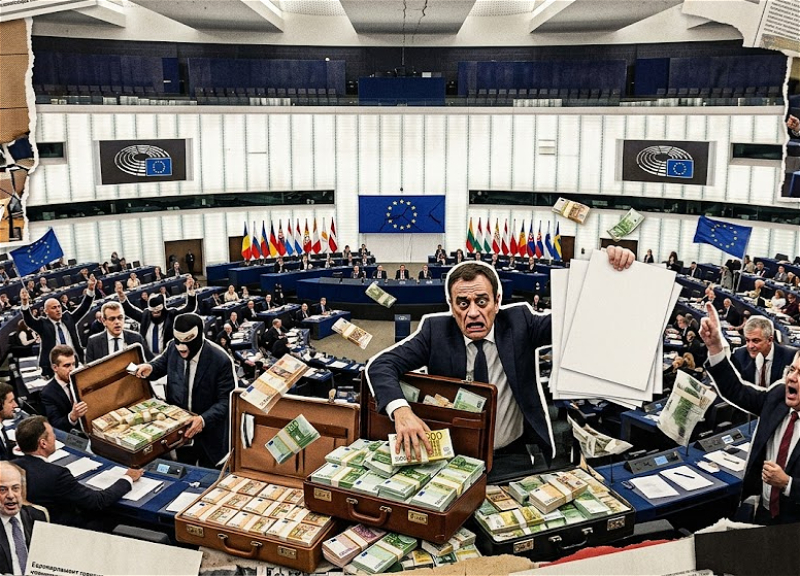
In Europe, a troubling picture is gradually emerging: with each new political cycle, the trend of Brussels' bureaucracy interfering in the elections of sovereign states becomes more evident.
Under the guise of protecting democratic norms, these attempts are becoming part of a strategy to pressure leaders who strive to defend national interests. Even member states of the European Union find themselves targeted by this interference.
One of the most striking recent examples of how national elections can turn into an arena of external pressure is Hungary. The scale of interference is so noticeable that it draws attention and criticism from international players, including diplomats, political analysts, and high-ranking representatives of foreign states.
The issue of external influence on the outcome of Hungary's parliamentary elections, scheduled for April 12, has once again come to the forefront following the recent visit of U.S. Vice President J.D. Vance. The American vice president arrived in Budapest just days before the vote. During a joint press conference after talks with Hungarian Prime Minister Viktor Orbán, he sharply criticized Brussels, openly accusing the EU of blatant interference in the election campaign. Vance stated that he considers the scale of external influence on Hungary's political situation to be unprecedented.
He openly accused Brussels of attempting to artificially hinder the development of the Hungarian people simply because they dislike a leader who prioritizes national interests above all: "What has happened in this country, what has happened during this election campaign, is one of the worst examples of foreign intellectual interference I have ever seen. Bureaucrats in Brussels have tried to destroy the Hungarian economy, tried to reduce Hungary's energy independence, tried to raise prices for Hungarian consumers—all because they hate this guy (Viktor Orbán)."
Noting that he came to Budapest to "send a signal" to Brussels, J.D. Vance said: "I really wanted to send a signal to everyone, especially the bureaucrats in Brussels, who have done everything they could to keep the Hungarian people in submission because they don’t like a leader who actually stands up for the Hungarian people." "But, you know, I don’t think Viktor (Orbán) lets things like that affect him," he added. Later, speaking at a pre-election rally in Budapest, the U.S. vice president called Orbán "a man who has done more than any other leader in Europe to successfully mediate the war between Russia and Ukraine."
"I’m here for one simple reason. Because I admire what you are fighting for. You are fighting for your freedom, you are fighting for your sovereignty, and I’m here because President Trump and I wish you success and are fighting alongside you," Vance emphasized.
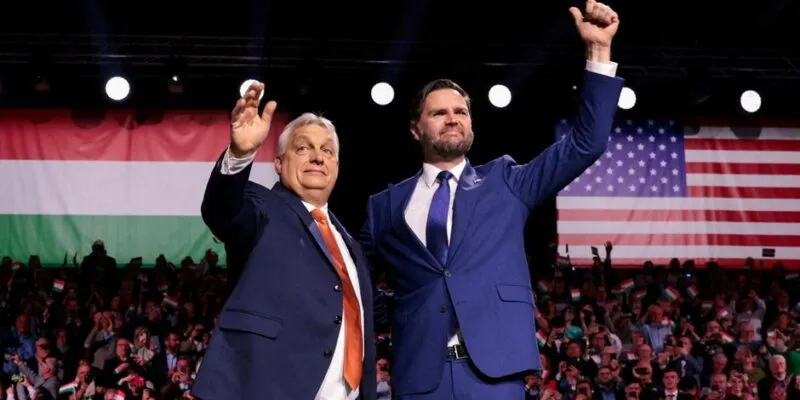
These words, spoken in the heart of Hungary, exposed the deep divide between the transatlantic direction of the current U.S. administration and the rigid bureaucracy of Brussels. The American vice president’s statements that Eurocrats have done everything possible to defeat national leaders in elections became an official confirmation that Washington is no longer willing to support the liberal dictates of the European Union.
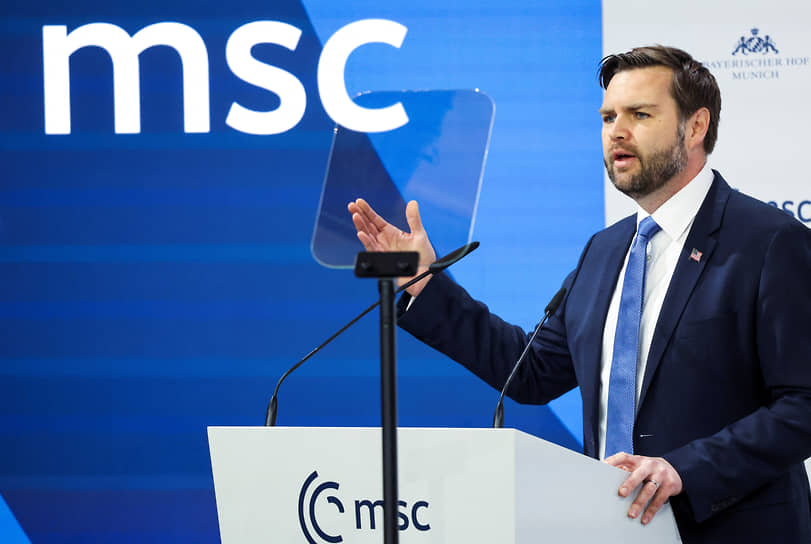
In part, Vance’s statements in Budapest reflect a broader criticism of European policy that he has voiced before. As is known, last year at the 61st Munich Security Conference, he delivered a powerful speech, sharply criticizing Europe for its migration policy, restrictions on freedom of speech and social media, censorship, and the unfair annulment of election results. He condemned the approach of European officials to ensuring the integrity of electoral processes, emphasizing that democratic systems must be resilient enough to withstand external influence. Vance called the current situation "Europe’s departure from some of its most fundamental values" and stated that the greatest threat to the continent comes from within. Vance warned that European countries risk "committing civilizational suicide" by failing to control their borders and restricting citizens’ freedom of speech.
Against the backdrop of such Brussels policies, which critics believe are effectively leading the continent into a deep crisis, the unique example of countries actively resisting external pressure gains particular significance. Leaders in Hungary, the Czech Republic, and Slovakia, who strive to protect their national interests and cultural identity, safeguard their citizens, and maintain economic stability, are creating a barrier to the imposed Euro-strategy. Today, these states are beginning to be seen not as "rebels on the outskirts of the EU," but as the vanguard of a new Europe—a Europe of nations capable of defending their sovereignty and cultural identity.
Today, Brussels politicians, remaining loyal to Soros-style traditions, are attempting to destabilize the internal situation in "disobedient" capitals. The same methods are being used against Hungary—foreign observers have noted a classic scheme of "fifth column" operations here: organizing protest activity, manipulative engagement of youth, and using a network of controlled NGOs and media for disinformation and creating an atmosphere of permanent crisis. The paradox is that if such methods were applied in a different context, Brussels would immediately label it as a "hybrid war" threatening democracy.
However, recently, this Euro-mechanism has started to falter. The main factor radically weakening Brussels’ position has been the change in Washington’s stance. Without the support of the American administration, Europe’s liberal elites find themselves isolated, forced to confront not only their own conservative electorate but also rejection from the White House, which now sees sovereign European states as natural allies.
Today, pre-election Hungary is once again in the spotlight as a vivid example of a country where Brussels’ steps to influence the electoral process are particularly noticeable. A natural question arises: what exactly causes such serious concern among European politicians? One of the key factors highlighted by analysts is Hungary’s strategic choice on the international stage, its growing closeness to the Turkic world.

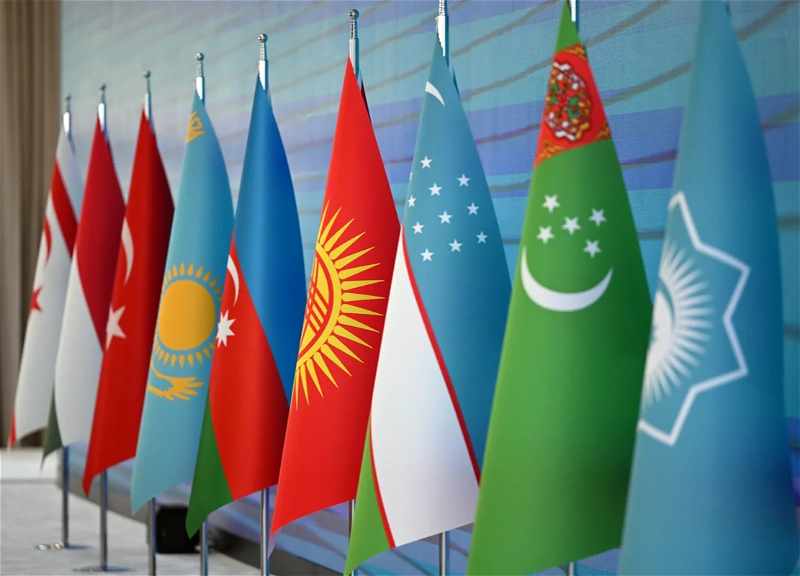
Integration with the Organization of Turkic States (OTS), strengthening political, economic, and cultural ties with countries of the Turkic world, with which Hungary is historically connected, may be perceived by Brussels as a strategic challenge. This process carries a broader cultural and civilizational signal, pointing to the formation of a new geopolitical axis capable of altering the balance of influence on the global stage.
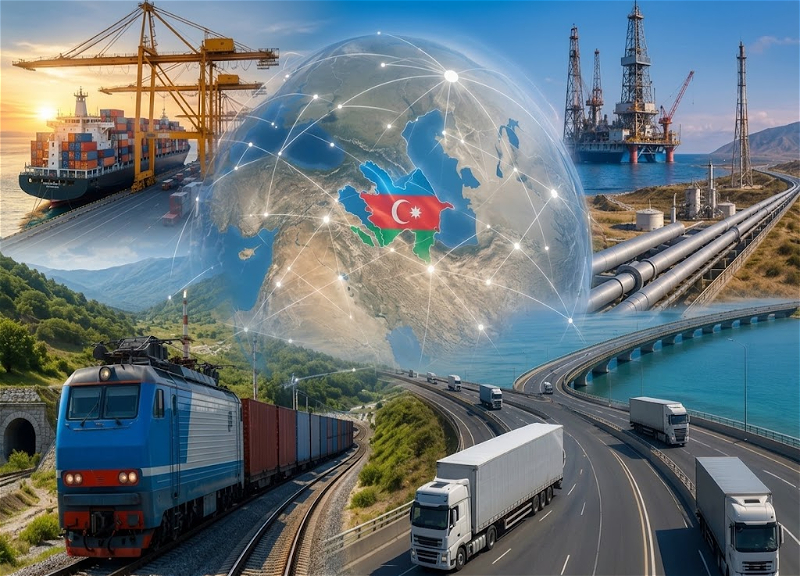
Hungary’s presence in the Turkic sphere is strategic and goes far beyond formal diplomacy. It provides additional momentum to Eurasian cooperation and forms a unique bridge between East and West. This is about the emergence of an alternative center of attraction, based not on abstract and often rigid ideological principles, but on pragmatism, mutual respect, shared interests, and historical memory. Today, Budapest participates in key OTS initiatives, contributing to joint projects.
Azerbaijan plays a special role in this process, consistently promoting a model of open, pragmatic, and inclusive Turkic cooperation. This approach makes the OTS an attractive platform not only for member states but also for partners beyond the Turkic space.
As can be seen, what is happening around Hungary goes far beyond domestic politics and reflects deeper transformations. It is about the formation of a new reality in which states defending national interests find kindred centers of power. Hungary vividly demonstrates that Europe is no longer a space of uniform political logic. This changes the very nature of European politics—and this may be what truly alarms Brussels.