FIFA’s Mammadov: World Cup 2026 will leave a lasting legacy, vindicating Infantino’s vision
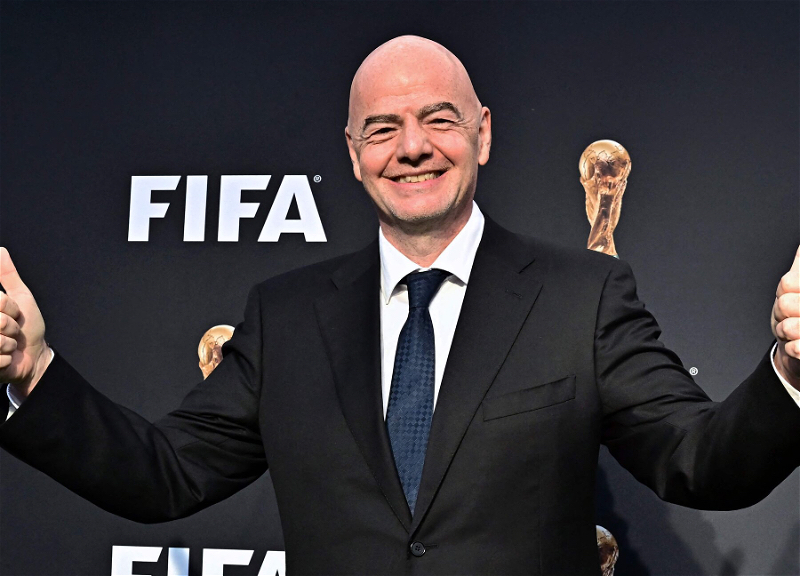
FIFA Chief Member Associations Officer Elkhan Mammadov has hailed the ongoing FIFA World Cup 2026 as a tournament that is strengthening football across all 211 member associations, in a LinkedIn post that shifts attention from the week’s off-pitch controversies back to the game itself and the long-term development legacy championed by FIFA President Gianni Infantino.
The intervention comes at a noisy moment for the tournament. The knockout rounds have been backgrounded by refereeing debate — from the disciplinary decision that cleared the United States’ Folarin Balogun to play after a red card, to a run of contentious VAR calls, including the disallowed goal that fuelled Egypt’s protests after their dramatic exit to Argentina. Against that backdrop, Mammadov’s message, published on his personal LinkedIn account, is a deliberate return to fundamentals.
“Every FIFA World Cup generates debate and attracts enormous attention,” he wrote. “That is the nature of the world’s biggest sporting event. But ultimately, the football speaks for itself — and this tournament has spoken loudly.”
Drawing on his work with football leaders across every confederation, Mammadov wrote that one message comes through again and again: a shared pride in the football itself, and a conviction that the game is growing stronger globally, in line with President Infantino’s vision and reaching every corner of the world.
That vision, he argued, rests on a simple idea — that every successful World Cup should leave a lasting legacy beyond the final whistle. He pointed to the FIFA Forward Programme, which he called the largest sports development programme in the world both geographically and financially, through which revenues from FIFA competitions are reinvested directly into football development across all 211 member associations.
“The results speak for themselves,” Mammadov wrote. Around the world, he noted, member associations have built academies, developed youth football, expanded women’s football, improved infrastructure and created greater opportunities for future generations. The consequence, he argued, is an international game that is more competitive than ever.
“Today, there are no easy matches — and that is good for football,” he continued. That competitiveness has been on full display at this tournament, with teams once expected to lose quietly now pushing the very best to their limits deep into the closing minutes. Far from an accident, he added, “it is the product of years of patient investment of the Member Associations, and it is the clearest evidence that the President’s vision is working.”
Mammadov drew a parallel with the FIFA World Cup in Qatar, recalling the debates and predictions that preceded it before it was widely recognised, once concluded, as one of the finest in history. “Great tournaments are so often prejudged and then vindicated by the football,” he wrote. The 2026 edition — the largest ever staged — is following the same path, in his view: unforgettable moments on the pitch, and a stronger, healthier game beyond it.
As both a football administrator and a lifelong fan, Mammadov added, he believes the greatest success of this World Cup will not only be the team that lifts the trophy, “but the millions of young people it inspires and gives hope, and the stronger future it creates for football everywhere.”
“That is the legacy FIFA is working to build — and it is one worth celebrating,” he concluded, signing off with a message to his followers: enjoy the FIFA World Cup 2026.