Supreme Court expresses important position regarding expenses for repairing a leased property
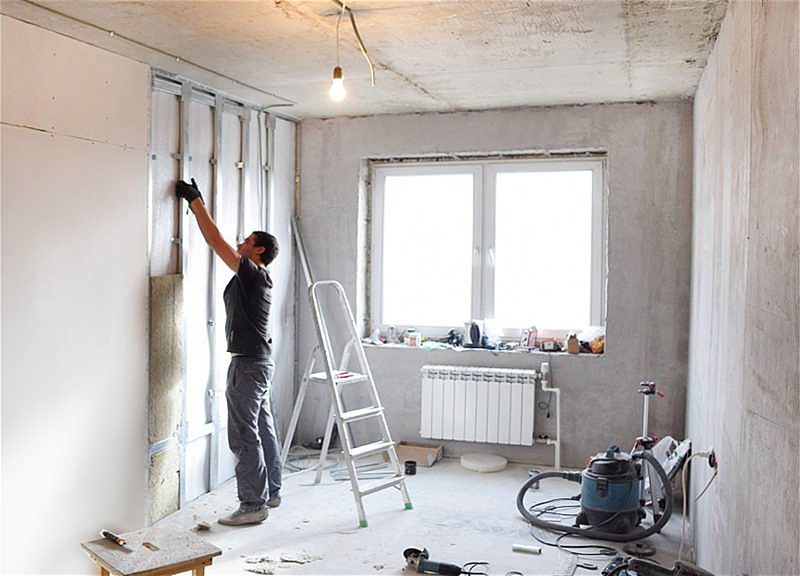
The question of who must bear the costs of repairs and improvements made to leased property after the termination of a contract is one of the most frequent subjects of disputes in lease relations.
The Commercial Board of the Supreme Court of the Republic of Azerbaijan, in one of its latest decisions, expressed an important legal position on this matter.
In this case, the tenant, pointing to large-scale repair work, reconstruction, and improvements carried out at their own expense in a non-residential premises, demanded that these expenses be recovered from the landlord.
In the lease agreement concluded between the parties, it was stipulated in advance that upon termination of the contract, movable furniture and equipment could be taken by the tenant, while inseparable improvements and other equipment would remain the property of the landlord.
The legal position of the Supreme Court on this issue is presented below.
The Supreme Court emphasizes that when there is a contract between the parties, its terms are applied first and foremost:
- Article 680 of the Civil Code establishes the general rule for reimbursement of expenses incurred by the lessee (tenant). According to this article, the lessor (landlord) is obliged to reimburse the necessary expenses incurred by the lessee (tenant) for the maintenance or restoration of the property. Reimbursement of other expenses incurred for the improvement of the property, including expenses for its enhancement, is permitted in accordance with the rules on the conduct of another's affairs without instruction.
However, these rules do not prevent the parties from reaching a different agreement in the contract and are applied only when the parties have not provided for different regulation in the contract. That is, if the parties have regulated in advance in the contract the legal fate of the improvements and the question of payment of their value, the dispute that subsequently arises must be resolved precisely on the basis of that agreement.
In the case under consideration, the contract provided that the inseparable improvements to the leased property remain the property of the landlord, and no obligation to compensate the tenant for their value was established.
For this reason, the Supreme Court concluded that there are no legal grounds for the tenant to subsequently claim from the landlord the expenses incurred for the improvements.
The legal recommendations for entrepreneurs are as follows:
- This legal position shows that before the start of repair and reconstruction work on a leased property, their legal fate must be clearly defined in the contract. The contract must clearly indicate:
How the legal fate of separable and inseparable improvements to the leased property will be determined after the termination of the contract;
Whether the tenant will be compensated for the value of the improvements that will remain the property of the landlord.