The Trump Factor and Vance's Visit: Azerbaijan in the Focus of the US
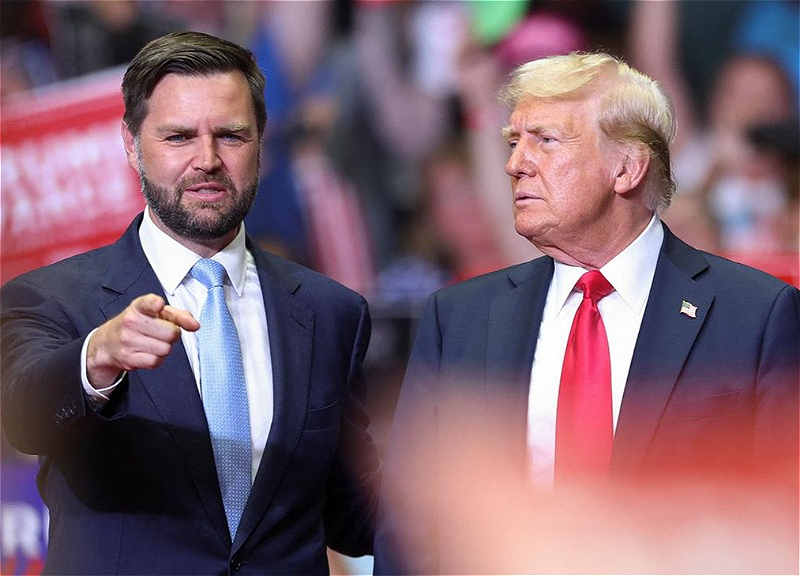
Azerbaijan is preparing to welcome the second-highest official in the US administration tomorrow—Vice President J.D. Vance.
His visit to Baku serves as a significant diplomatic signal, underscoring that relations between Azerbaijan and the United States continue to evolve from once situational interactions to a more stable and politically charged dialogue. Unlike many predecessors, the current Washington administration is betting on personal connections at the highest level, rooted in the personal factor of US President Donald Trump—a leader for whom presidential diplomacy increasingly intertwines with elements of interpersonal trust.
Vance will be in Azerbaijan on February 10-11, and the prominence of the delegation accompanying him highlights both the political and economic dimensions of the current stage of bilateral relations.
Undoubtedly, this visit holds special historical significance for Azerbaijani-American relations. In all the years of Azerbaijan's independence, it has been visited by a US Vice President only once before—by the late Dick Cheney in 2008. Notably, both Cheney then and Vance now represent Republican administrations. Under Democratic administrations, Azerbaijani-American relations, at best, remained frozen, and at worst, deteriorated to the level of threats and blackmail in the rhetoric of responsible US officials, even leading to the imposition of unfair sanctions against Azerbaijan.
The nearly twenty-year gap between visits of this level adds particular significance to the upcoming arrival of the US Vice President in Baku. It vividly reflects a shift in Washington's policy priorities in the South Caucasus direction and underscores the increased importance of Azerbaijan in this configuration, elevating the event far beyond mere protocol diplomacy.
According to official signals from the American side, the agenda of Vance's talks will focus on supporting and further facilitating the Azerbaijani-Armenian normalization process, as well as deepening bilateral dialogue between the US and each country in the region. Donald Trump has unequivocally stated that the Vice President's mission aims to strengthen strategic interaction with Baku and lay the groundwork for substantive discussions on new formats of cooperation, including security and military-technical matters. Simultaneously, Washington is exploring opportunities to expand contacts in the high-tech sector, showing interest in the region from American businesses, and expressing intent to more actively participate in infrastructure and economic projects made possible by agreements reached between Baku and Yerevan.
In recent months, relations between Azerbaijan and the US have seen noticeable activation. A central moment in this was the Washington meeting on August 8, 2025, between the presidents of the two countries. During that summit, which also involved Armenian Prime Minister Nikol Pashinyan, the idea of implementing the Zangezur Corridor under the name 'Trump Route for International Peace and Prosperity' (TRIPP) was emphasized—a transport and trade initiative aimed at connecting mainland Azerbaijan with its Nakhchivan Autonomous Republic through Armenian territory and creating a new transport-economic axis. This axis is expected not only to stimulate the economies of the region's countries but also to shift the center of economic activity from traditional northern corridors to southern routes. This project is currently considered a key element of American diplomacy in the South Caucasus and, as can be expected, will be one of the main topics discussed during the current visit.
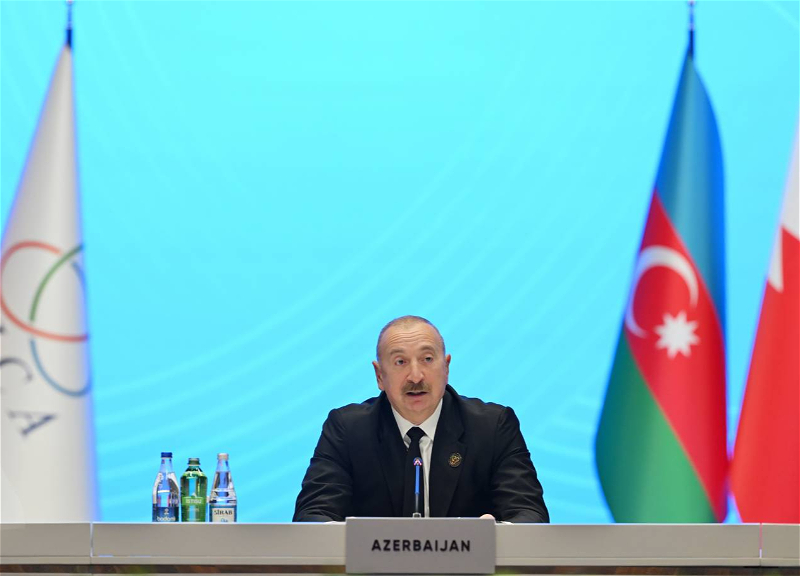
The increase in activity on international platforms is complemented by Azerbaijan's recent entry into the 'Board of Peace' for Gaza—an international structure initiated by Trump as part of efforts to end the war in Gaza and restore stability in the region. Azerbaijan was invited to become one of the founding members of this structure, highlighting the expansion of Baku's geopolitical participation in global peacekeeping processes. President Ilham Aliyev accepted the invitation, serving as an additional signal of the strengthening strategic ties between Baku and Washington.
Against the backdrop of these events, one cannot overlook Donald Trump's contribution to the current stage of American-Azerbaijani relations. It was he who halted the reactivation of the anti-Azerbaijani Section 907 amendment to the Freedom Support Act by the previous administration—a normative act adopted and enforced for decades under the influence of the Armenian lobby, significantly limiting direct governmental assistance to Azerbaijan from the US. This move reaffirms a pragmatic approach in the spirit of 'realpolitik' in shaping foreign policy priorities. This amendment, introduced in the early 1990s and long affecting American-Azerbaijani relations, has not only lost its relevance in recent years but also serves as a reminder of how long-standing influence of internal American political lobbies hindered the development of strategic relations between the US and Baku.
The policy of strengthening relations pursued by Trump is also evident in the personal contact between the two leaders through a series of meetings, phone calls, and correspondence since the beginning of this year. Official communication between Trump and Aliyev has addressed issues of strategic security, economic cooperation, and prospects for implementing major infrastructure projects, including transport and energy initiatives. These contacts have not been episodic; they have become a constant element of bilateral dialogue, during which both sides have repeatedly emphasized mutual respect for commitments and readiness for cooperation in the interests of their countries.
Special attention should also be paid to the American side's aim to transform relations with Azerbaijan into a sustainable strategic partnership that goes beyond situational interests. This involves developing a wide range of cooperation—from the defense industry to energy, trade, and infrastructure projects—as reflected in Trump's statements about 'strengthening strategic partnership.' In his public remarks, he has noted the importance of stabilizing the region and working together on economic initiatives that could essentially lay the foundation for a long-term alliance.
Regardless of the specific details of Vance's upcoming visit, the very fact of his arrival in Baku is an important marker of the new realities of international diplomacy forming around Azerbaijan. This visit serves as direct confirmation that the republic is reaching a level of interaction with one of the world's leading centers of power, and the American side views Baku as a stable and reliable player in the region, from which it expects responsible decisions and mutually beneficial cooperation.