
Tectonic shift in Budapest: Hungary chooses a new course
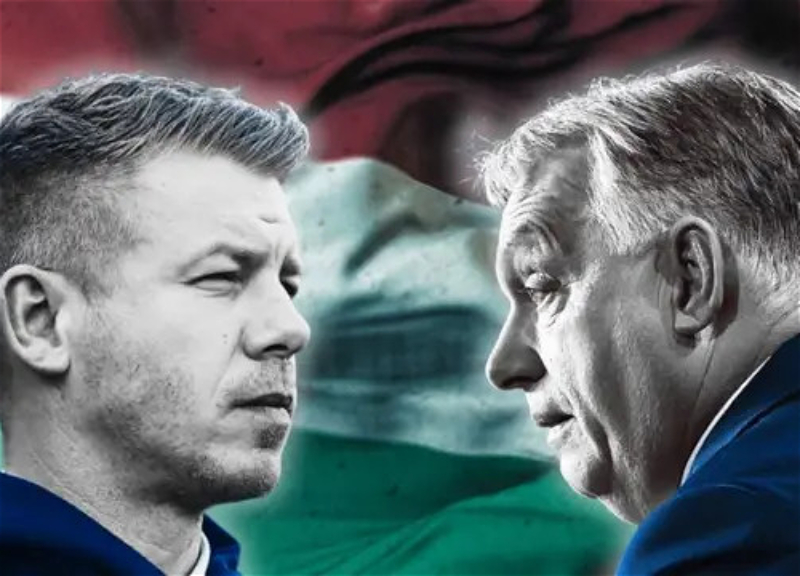
Yesterday, April 12, 2026, marked a sharp and largely unexpected turning point in European history, signaling the end of an era that many considered unshakable for the past 16 years.
The results of Hungary's parliamentary elections were not just a political sensation but a true tectonic shift, the consequences of which will be felt for a long time from Brussels to Kyiv and Washington. A record voter turnout exceeding 80% vividly demonstrated the level of public mobilization and the depth of the demand for change that had been brewing in Hungarian society beneath the veneer of stability under the Fidesz regime.
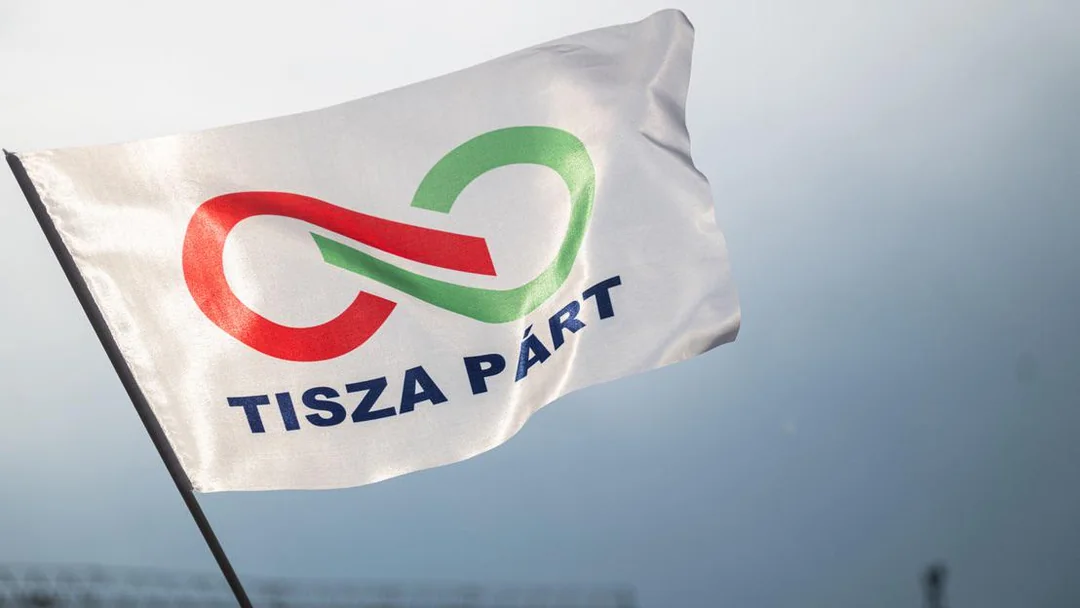
The resounding victory of the opposition party "Tisa," led by Péter Magyar, which secured a constitutional majority with 138 seats, effectively marks the beginning of the complete dismantling of the "illiberal democracy" system that Viktor Orban had been building since 2010. This result clearly reflects the accumulated frustration of citizens tired of economic stagnation, high inflation, and, more importantly, the country’s growing isolation on the international stage.
In recent years, Viktor Orban's rule became a constant source of tension within the European Union and NATO, particularly in the context of his policies toward Ukraine. Budapest systematically used its veto power to block vital financial and military aid packages to Kyiv, turning humanitarian and military issues into tools for political bargaining with Brussels.
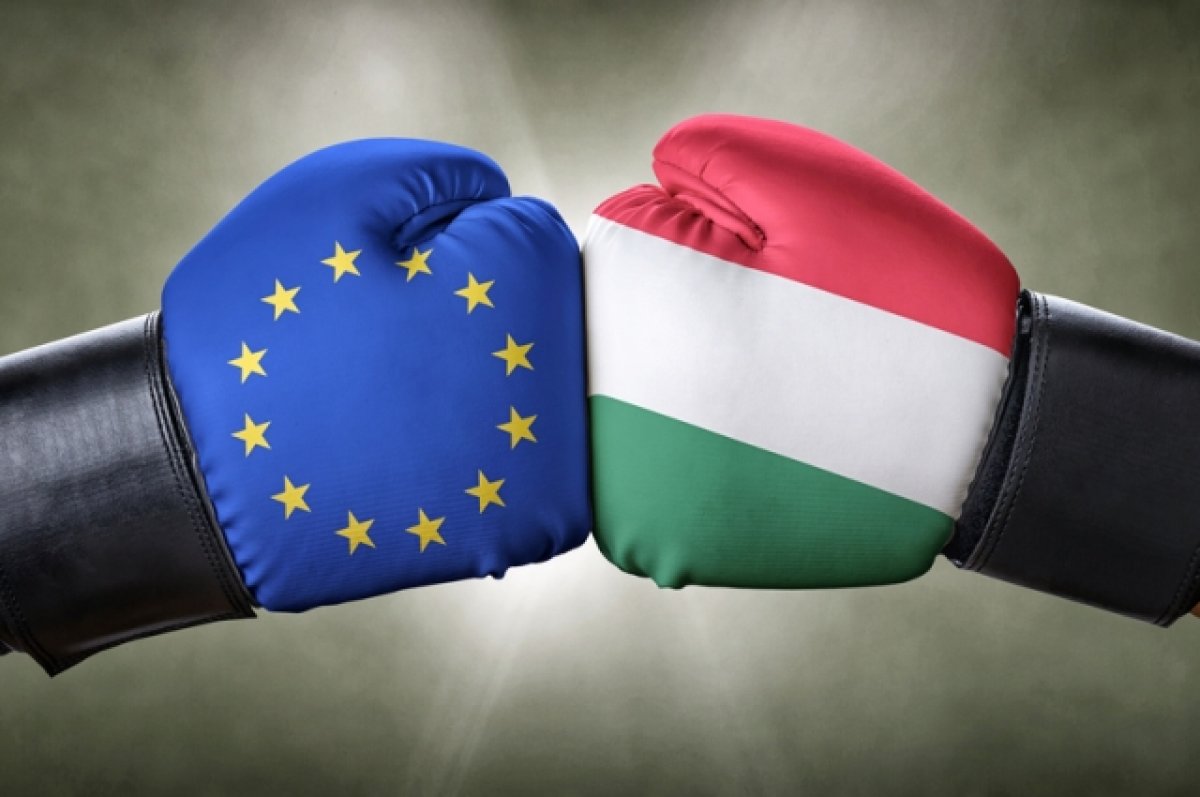
This strategy of a "special path," which involved maintaining close energy ties with Moscow and implementing joint projects like the Paks-II nuclear power plant in defiance of pan-European sanctions logic, ultimately led Hungary to the status of an "outcast" within the Western alliance. The anti-Ukrainian rhetoric of Orban's regime, built on emphasizing the rights of Transcarpathian Hungarians and accusing Kyiv of prolonging the conflict, created a deep rift in relations even with historically close allies like Poland.
However, yesterday's vote showed that Hungarian voters are no longer willing to pay the price of this isolation for questionable benefits in gas contracts. Péter Magyar, himself a product of the system and intimately familiar with its mechanisms, offered society a stark and transparent program to dismantle the old regime, which became the foundation of his triumph. One of the most radical points of his agenda is limiting the prime minister's tenure to two terms, totaling 8 years. In the current context, this decision has retroactive implications for assessing Viktor Orban's political future. Having held the post for 16 years, Orban will be legally barred from engaging in political activity going forward. Magyar justifies this measure as necessary to prevent the formation of new authoritarian structures, though constitutional law experts note that the practical implementation of this rule may face significant legal challenges and resistance from judicial bodies formed during Orban's administration.
The "Tisa" program also includes the creation of a Ministry for Combating Corruption and Hungary's immediate accession to the European Public Prosecutor's Office (EPPO), which will allow independent international auditors to access documentation on all state procurements from recent years. Magyar has promised a comprehensive audit of assets transferred over the years of Fidesz rule to a narrow circle of individuals close to power, and to establish special investigative teams to return these riches to the national treasury.
Equally important is the restoration of freedom of speech. Specifically, the program includes dissolving the current structure managing state television and completely restructuring radio broadcasting to ensure their independence from government control. The personnel issue in state institutions will also be addressed radically—all Fidesz loyalists appointed for political reasons will be dismissed to restore the neutrality of public service.
This morning in Brussels and Kyiv began with an atmosphere of cautious optimism mixed with a sense of historical justice. It can be expected that preliminary consultations on unfreezing Hungarian funds will soon begin at the European Commission headquarters. Officials in Brussels emphasize that Magyar's readiness to immediately return to the practice of EU rule of law and abolish the state of emergency, which Orban extended under various pretexts for years, addresses key grievances of European institutions. Diplomatic sources report that Brussels views Magyar's victory as a chance to restore EU unity in the face of global threats.
The reaction in Kyiv was even more emotional, though officially measured. Ukrainian President Volodymyr Zelenskyy, in his morning statement, welcomed the choice of the Hungarian people, emphasizing that Ukraine has always sought good-neighborly relations with Budapest based on mutual respect for sovereignty.

In Ukrainian expert and government circles, there is an expectation that Hungary's new government will cease blocking Kyiv's European integration processes and reconsider its stance on the transit of defense-related cargo. Today's comments from Kyiv indicate hope that the "Hungarian knot" in European security has finally been untied.
Péter Magyar has already confirmed his intention to make his first foreign visits to Kyiv and Brussels to personally demonstrate the shift in foreign policy paradigm. For Ukraine, this means the removal of one of the most challenging diplomatic obstacles within the EU, and for the European Union itself, the end of an era of "blackmail" by a single state. Implementing Magyar's campaign promises will require unprecedented legal work to repeal laws passed by Orban in circumvention of democratic procedures, but the mandate received yesterday gives Hungary's new leader full legitimacy for these actions.
The world is watching as one of Europe's most stable systems is dismantled by the power of the ballot, returning Hungary to the mainstream of European civilization. Economic markets reacted to the news from Budapest with a strengthening of the Hungarian national currency, the forint, reflecting investors' belief in the normalization of relations with the EU and the influx of frozen billions of euros into the country's economy. Viktor Orban, who acknowledged his defeat late at night, now faces not only political oblivion but also potential legal proceedings that Magyar has promised to initiate as part of the fight against corruption.

Thus, April 13, 2026, can be called a milestone date in the modern history of Central Europe, marking Hungary's return to the principles of the Venice Charter and pan-European norms of the rule of law. Ahead lie months of complex reforms for the new cabinet of ministers, yet the coordination of actions between Budapest, Kyiv, and Brussels in the first hours after the elections already points to a rapid restructuring of regional ties. The international community's attention is focused on how quickly the new governing institutions can adapt to current challenges and implement the agenda declared by Péter Magyar without compromising the stability of the state.