Parliamentary diplomacy of the OIC: Baku strengthens the architecture of Islamic solidarity
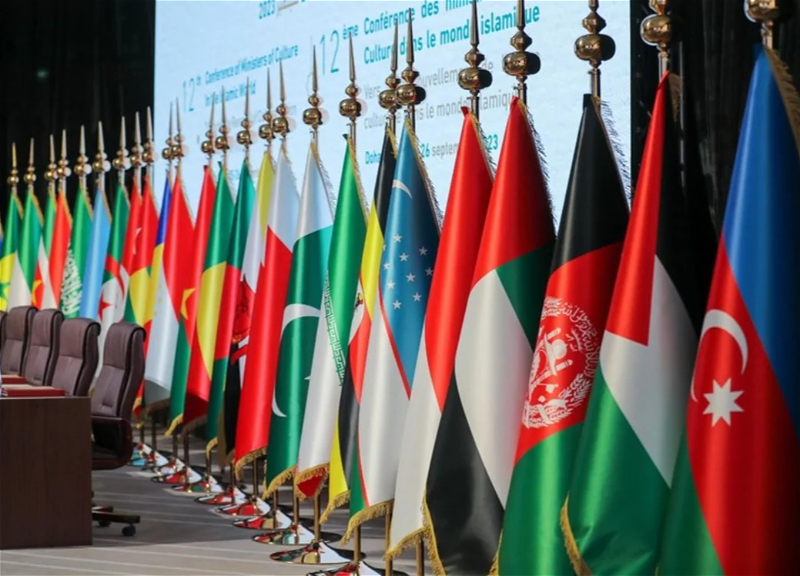
Against the backdrop of growing global challenges, issues of unity, solidarity, and effective cooperation among states of the Islamic world are gaining particular relevance.
In these conditions, Azerbaijan is consistently strengthening its position as one of the important centers of international cooperation, making a significant contribution to strengthening mutual understanding, partnership, and solidarity among Muslim countries.
The holding in Baku of the 20th session of the Conference of the Parliamentary Union of the Member States of the Organization of Islamic Cooperation (OIC) has become further confirmation of Azerbaijan’s high international authority and its active role in promoting the common interests of the states of the Islamic world.
The event is taking place during an extremely difficult period for world politics and the system of international relations. Destructive wars, crises, and conflicts in various regions of the world entail severe humanitarian consequences and have a direct impact on global security, including food security. In these conditions, efforts to prevent conflicts, strengthen mutual trust, and develop dialogue as the most effective tool for resolving differences and achieving sustainable peace are of particular importance.
However, the challenges facing the Islamic world today are not limited to armed conflicts and crises. Growing manifestations of Islamophobia are causing increasingly serious concern. This refers to the desecration of Islamic shrines, encroachments on the religious values of Muslims, and attempts to form a biased attitude toward Islam—such cases in various countries of the world have recently become increasingly widespread.
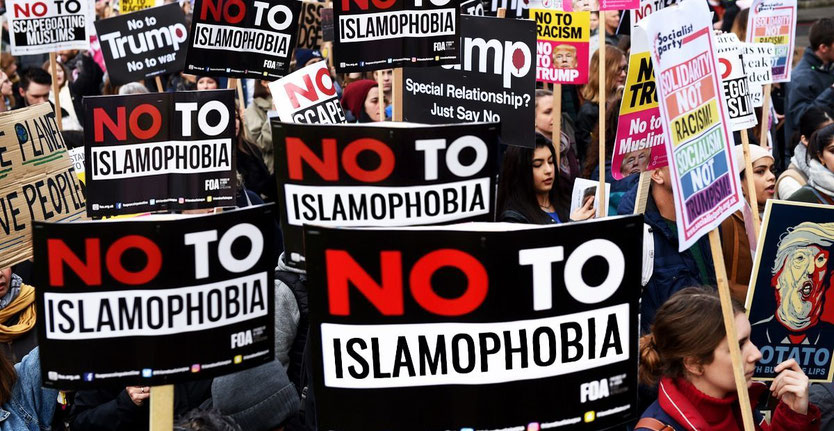
This problem was also reflected in the address of President of Azerbaijan Ilham Aliyev to the participants of the forum, which particularly emphasizes the importance of combating Islamophobia and protecting Islamic values.
“Today in the world, the incitement of hatred against Muslims, encroachments on Islamic cultural heritage, and the desecration of Islamic values are becoming widespread. The burning of our holy book, the Quran, and the publication of caricatures of the Prophet Muhammad (peace be upon him) cannot in any way be justified by freedom of expression and are completely unacceptable. Islamophobia is not only a state of intolerance toward Muslims but also a dangerous trend that poses a threat to mutual understanding and peaceful coexistence. It is disappointing that some political circles in the West, as well as such international institutions as the European Parliament and the Parliamentary Assembly of the Council of Europe, while instilling anti-Islamic sentiments, are attempting to equate Islam with extremism and terrorism, to form a biased view of our religion, and to present it as a source of danger. In order to further increase international attention to the fight against Islamophobia, international conferences on this topic are being organized in our country. In the conditions of the alarming spread of Islamophobia, the holding of these conferences in Azerbaijan is of great importance from the point of view of promoting interreligious and intercultural dialogue and eliminating stereotypes about our religion,” the head of state’s address notes.
Azerbaijan’s tragic experience clearly demonstrates that manifestations of Islamophobia can have not only an ideological but also a very tangible expression. This refers to the period of occupation, when the aggressor deliberately destroyed and desecrated the religious and cultural heritage of the Azerbaijani people.
President Ilham Aliyev pays special attention to this issue in his address, noting: “Unfortunately, during the occupation, in our cities and villages subjected to urbicide and culturicide by Armenia, mosques and centuries-old monuments of Islamic architecture of universal significance were deliberately destroyed and looted. Of 67 mosques, 65 were destroyed, and serious damage was inflicted on the remaining ones. The use of these holy places as stables and the keeping in them of animals considered forbidden in our religion is an insult to the feelings not only of Azerbaijanis but also of Muslims around the world. ISESCO and the OIC Independent Permanent Commission on Human Rights documented these acts of vandalism during missions organized to the territories liberated from occupation.
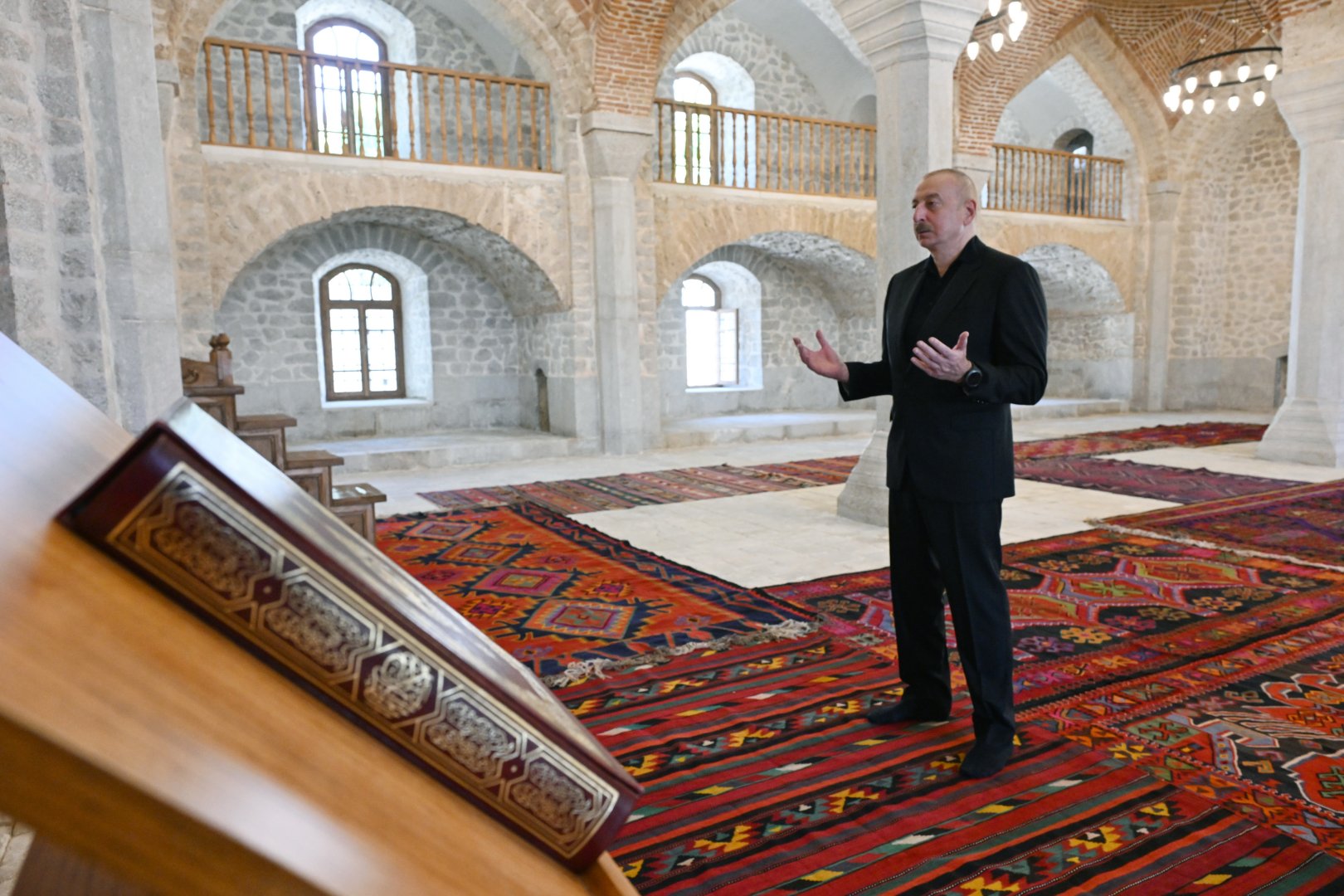
Today, as part of the large-scale reconstruction work being carried out in the liberated Karabakh and Eastern Zangazur, our destroyed religious sites are being restored while preserving their historical appearance, new mosques are being built, and after many years the azan is once again sounding from the minarets. These crimes committed against Islamic cultural heritage on our lands are undoubtedly an open manifestation of Islamophobia.”
It is worth noting that the Organization of Islamic Cooperation has for many years demonstrated principled support for Azerbaijan’s just position. President of Azerbaijan Ilham Aliyev gives this high praise: “We, in turn, have always felt the consistent support of the OIC. Demonstrating a resolute position both during the nearly 30-year period of Armenia’s aggression against Azerbaijan and in the post-war period, the OIC adopted resolutions and statements strongly condemning the occupation, supporting Azerbaijan’s just cause, sovereignty, and territorial integrity, and welcoming the restoration and creative work in the liberated territories. I would like to especially emphasize the activities of the OIC Contact Group on Armenia’s aggression against Azerbaijan. We highly appreciate such an attitude from brotherly countries.”
For its part, Azerbaijan consistently advocates for the strengthening of Islamic values and the principles of solidarity. “Azerbaijan has always attached great importance to the protection of Islamic values, which are an integral part of our national and spiritual values and serve as a spiritual support and guide for billions of people around the world,” the head of state emphasizes in this regard. In particular, Azerbaijan puts forward various initiatives to promote Islamic principles of solidarity and mutual respect, and regularly holds events of the OIC and its structures: “The cities of Baku, Nakhchivan, and Shusha, which embody the rich cultural and spiritual heritage of Islamic civilization, have in different years been awarded the title of cultural capital of the Islamic world. In 2017, the IV Islamic Solidarity Games were successfully held in Baku as part of the Year of Islamic Solidarity declared in Azerbaijan, with the participation of 54 countries. A few days ago, the Annual Meetings of the Islamic Development Bank Group for 2026, dedicated to the theme of regional integration for the sustainable prosperity of Muslim countries, were successfully organized in Baku.”
This year marks the 35th anniversary of the Republic of Azerbaijan’s accession to the OIC. This is one of the first international organizations that Azerbaijan joined after the restoration of independence. “We can proudly note that over these years our country has made a significant contribution to strengthening Islamic solidarity, played an initiative-taking and responsible role in the activities of the OIC, remained faithful to its goals and principles, and took an active part in enhancing its authority on the international arena. Azerbaijan has also built multifaceted cooperation with member states on a bilateral basis, based on strong friendly and brotherly relations,” President Ilham Aliyev notes.

In 2027, the 16th session of the Islamic Summit Conference will be held in Azerbaijan, and the country will assume the chairmanship of the OIC, and, as the head of state emphasizes: “During our chairmanship, we will make every effort to mobilize joint efforts to promote the common interests of member states, deepen cooperation within the organization, strengthen Islamic solidarity, and turn it into a greater force.”
In this context, it is important to emphasize that Azerbaijan has always treated the fulfillment of its obligations within the framework of the chairmanship with special responsibility. A similar approach was clearly manifested during the country’s non-permanent membership in the UN Security Council, the chairmanship of the Non-Aligned Movement, the COP29 climate summit, and the World Urban Forum WUF13. In all these formats, Baku put forward a number of significant initiatives aimed at addressing the most pressing issues on the global agenda.
It is worth noting that at the official opening ceremony of the 20th session of the Conference, the chairmanship of the Parliamentary Union of OIC Member States passed from Indonesia to Azerbaijan, which became further confirmation of the high trust in the country and its growing role in the system of international parliamentary cooperation.
Thus, the 20th session of the Conference of the Parliamentary Union of the Member States of the Organization of Islamic Cooperation in Baku has become an important platform for discussing current challenges facing Muslim countries and developing joint approaches to overcoming them. The holding of the event in Azerbaijan once again confirms the country’s growing authority on the international arena and its active role in strengthening dialogue, mutual understanding, and cooperation among the states of the Islamic world.
In conditions of increasing global turbulence, such initiatives are of particular importance, contributing to the strengthening of solidarity, the promotion of peace, and sustainable development.