Professional soccer players found to have reduced brain volume
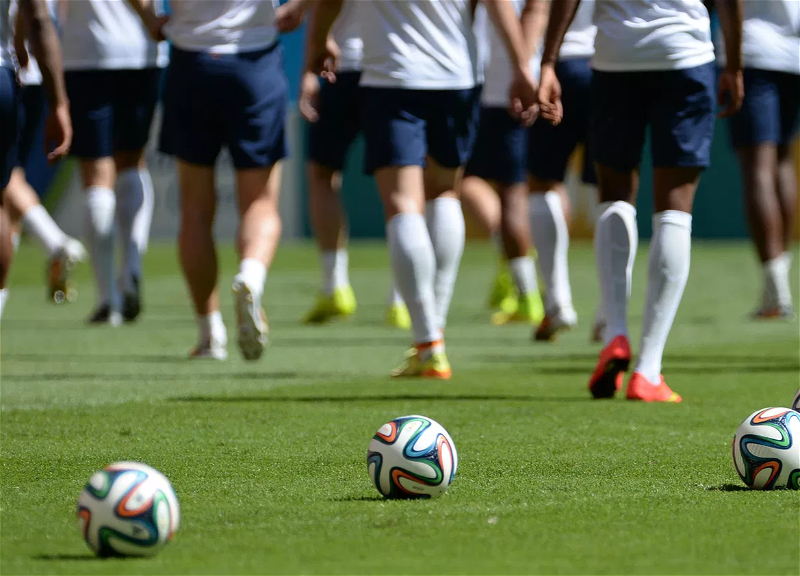
A long career in professional soccer may be associated with a reduction in brain volume even before the first signs of dementia appear.
Researchers from Imperial College London came to this conclusion. The results of the work were presented at the Alzheimer's Association International Conference in London (AAIC).
The scientists compared the brain condition of 142 former professional soccer players aged 30 to 60 with a control group of 56 people who did not play contact sports and were not subjected to regular head impacts. All participants underwent MRI scans, cognitive tests, and psychological examinations.
It turned out that the former players had less gray matter volume in several brain areas responsible for memory, attention, decision-making, and emotional regulation. At the same time, objective cognitive tests have not yet revealed noticeable deterioration in thinking. However, the soccer players themselves reported symptoms of anxiety and depression significantly more often.
Thus, clinically pronounced signs of depression were found in 31% of former players compared to 9% in the control group. Symptoms of anxiety were observed in 42% of soccer players compared to 25% of participants who had never played contact sports.
The researchers attribute the changes primarily to years of repeated head impacts during play. Although individual impacts may not cause a concussion, their cumulative effect, scientists suggest, can gradually damage nervous tissue. Such repeated injuries are already considered one of the likely causes of chronic traumatic encephalopathy, a neurodegenerative disease that also occurs in boxers and American football players.
Scientists do not yet claim that reduced brain volume will inevitably lead to Alzheimer's disease or another form of dementia. To answer this question, they will continue to monitor the study participants for several years. The authors hope that the results will help better understand the long-term consequences of heading the ball and develop measures that will make professional soccer safer for future generations of athletes.
Source: Gazeta.ru