Iran and US negotiations fail: What happened behind closed doors in Islamabad?
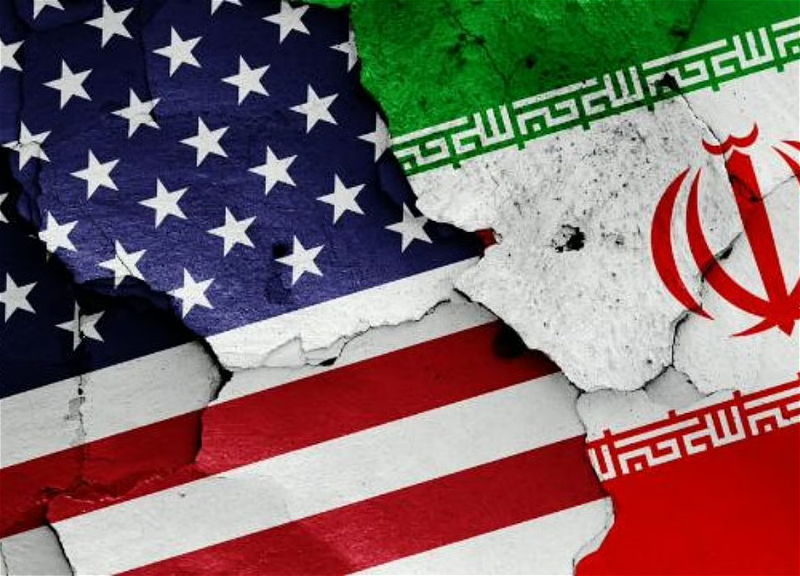
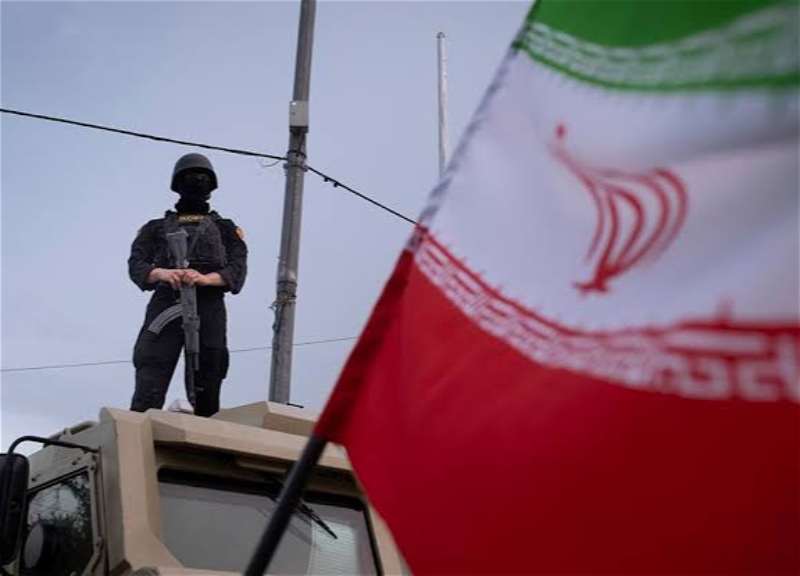
21 hours of negotiations, the first face-to-face meeting of American and Iranian officials in 47 years — and no agreement. US Vice President JD Vance left Islamabad on Sunday without securing a peace deal. The fate of the fragile truce, set to expire on April 21, remains uncertain. Here’s what is known about how the talks unfolded.
Ghost town and coffee 'in the name of peace'
Hundreds of journalists from around the world gathered at the Jinnah Convention Center in Islamabad, repurposed by Pakistani authorities into a media hub. But the negotiations took place behind closed doors — half a kilometer away. All the press could do was wait and sip coffee to the sounds of live Eastern folk music. Even the cups bore a slogan: 'Brewed in the name of peace.'
Updates were scarce for hours. When they did come, they weren’t delivered through briefings — as is customary at events of this magnitude — but via WhatsApp messages. 'I’m bored to death,' one journalist, who asked not to be named, admitted to AFP.
A symbol from the first minutes
The Iranian delegation made its intentions clear even before the talks began. On board the plane flying to Islamabad were school backpacks belonging to children killed in a US airstrike on a school in Minab on the first day of the war — a silent and stark reminder of the conflict’s toll.
Who was at the table
The American delegation was led by Vance, accompanied by Special Envoy Steve Whitcoff and the President’s son-in-law, Jared Kushner. The Iranian delegation, numbering around 70 people including technical experts, was headed by Parliament Speaker Mohammad Bagher Ghalibaf. He was joined by Foreign Minister Abbas Araghchi and key nuclear program negotiator Ali Bagheri Kani.
Ghalibaf arrived in Islamabad with a pointed remark: 'We have goodwill, but no trust. Unfortunately, our experience in negotiations with the Americans has always ended in failure and broken commitments.'
What happened in the room
There are no direct insights from the negotiation room in open sources — both sides maintained strict silence. It is only known that, in addition to verbal discussions, the parties exchanged technical documents, which were revised multiple times.
According to a CNN correspondent present at the scene, the sides were too far apart — not only on substance but also in style and temperament. The American delegation pushed for a quick resolution following the announcement of a two-week truce, while Tehran traditionally negotiates slowly, focusing on long-term perspectives.
Three breaking points
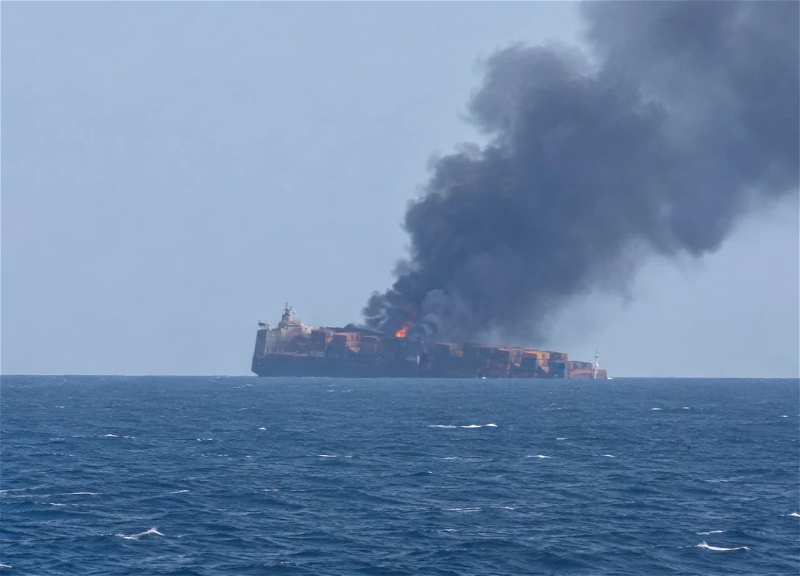
According to Iranian officials familiar with the talks, the parties faced three fundamental disagreements. The first was the Strait of Hormuz: the US insisted on its immediate opening to all maritime traffic, but Iran refused to relinquish this leverage until a final peace agreement was reached. The second was the nuclear issue: Washington demanded firm guarantees from Tehran against developing nuclear weapons and the means to advance their creation — and received none. The third was money: Iran sought the unfreezing of approximately $27 billion in frozen assets abroad.
Moreover, the sides couldn’t even agree on basic terms: they had two different '10-point plans.' The Iranian version included recognition of Tehran’s control over the Strait of Hormuz, reparations, and the lifting of all sanctions. The American plan called for the renunciation of nuclear weapons, the handover of highly enriched uranium, and the resumption of navigation.
What the sides are saying
'The bad news is we didn’t reach an agreement. And I think that’s much worse for Iran than for the US,' Vance said at a press conference. However, he left the door open: 'We’re leaving our final and best offer here. We’ll see if the Iranians accept it.'
Tehran placed the blame on Washington. Iran’s state broadcaster IRIB stated that 'America’s excessive demands' prevented an agreement. Iranian media added that 'the ball is in America’s court.' Iran’s Foreign Ministry spokesperson, Ismail Baghaei, took a more cautious stance: 'Diplomacy never ends.'
What was happening in parallel
While diplomats negotiated, the military acted. Two US destroyers — USS Frank E. Petersen Jr. and USS Michael Murphy — passed through the Strait of Hormuz for the first time since the conflict began, as part of a demining operation in the area. Iran rejected this version of events.
Meanwhile, Trump watched fights at UFC 327 in Miami — cameras captured Secretary of State Rubio on the arena’s big screen at the moment Vance announced the failure of the talks. Both were smiling.
What’s next
Vance did not specify what would follow the breakdown of negotiations. Iranian state media reported that Tehran has no plans for the next round of talks for now — though the country’s Foreign Ministry did not confirm this. The truce expires on April 21. Whether Trump will resume military operations remains an open question.