USA considers oil extraction rules allowing polar bear deaths
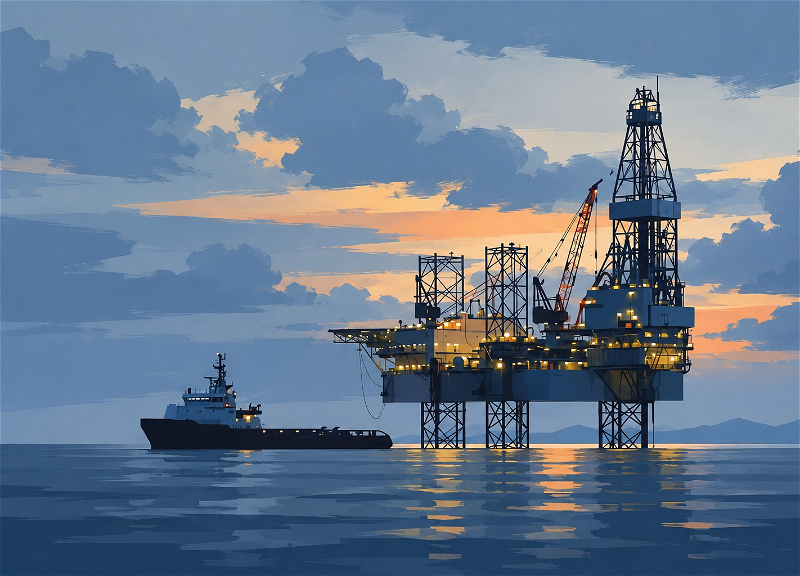
The U.S. authorities may approve new rules regulating oil extraction in northern Alaska, which allow for the death of individual members of Arctic fauna, including polar bears and Pacific walruses.
The initiative is part of an energy strategy proposed by the Donald Trump administration, aimed at expanding the development of natural resources in the region.
According to the draft under review by the U.S. Fish and Wildlife Service, oil companies will be able to obtain permits for so-called "incidental impact" on animals. This refers to situations where harm or death to species occurs unintentionally during industrial activities.
Although the document does not formally permit the direct killing of animals, it exempts companies from legal liability in the event of such incidents. In American environmental law, the term "killing" is interpreted broadly and includes not only death but also harassment or disruption of animals' natural behavior.
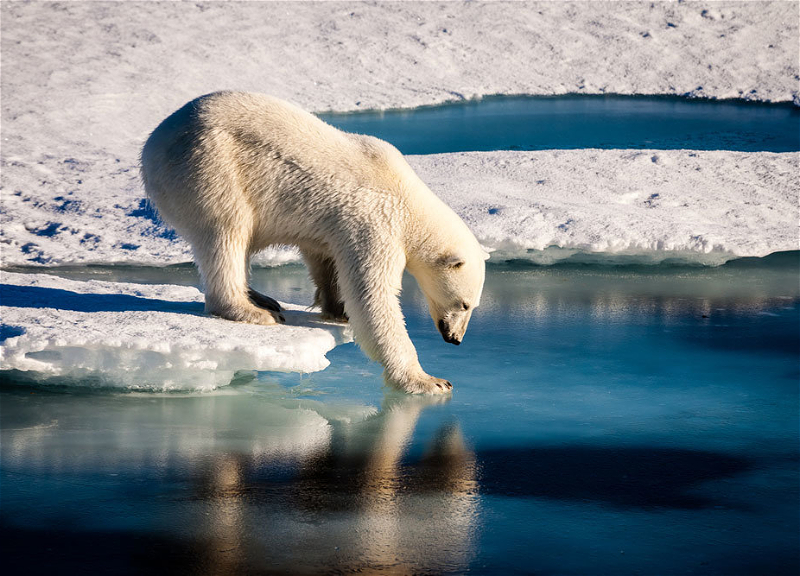
Particular concern arises over the impact of industrial activity on the reproductive cycle of polar bears. Experts warn that noise and human presence in areas with winter dens may force females to abandon their cubs, effectively dooming the latter to death. Similar risks are noted for walruses, whose gatherings may be disrupted, increasing the likelihood of stampedes among the animals.
The area in question is the Arctic National Wildlife Refuge, one of the key nature reserves in the USA, home to over 300 animal species. In addition to polar bears, it is inhabited by caribou, wolves, and moose.
According to agency data, the polar bear population in the southern Beaufort Sea is already in a vulnerable state, having declined by approximately 40% over recent decades and currently numbering around 900 individuals. Moreover, during the summer-autumn period, the likelihood of human-animal encounters significantly increases.
The discussion of the initiative is expected to conclude ahead of an auction for the development of oil and gas fields, scheduled for early June. If approved, the permits will be valid for five years.
Environmental organizations have already expressed concern that the implementation of the project could increase pressure on vulnerable Arctic ecosystems and lead to additional losses among rare species.