What Is Happening in Iran? Chronicle of War
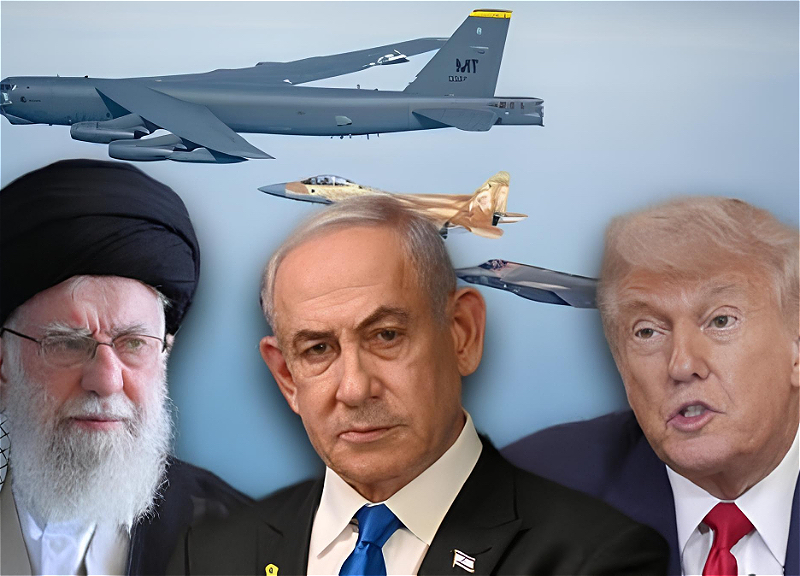
The situation in Iran has escalated into a full-scale armed conflict since February 28, 2026, following a coordinated attack by the United States and Israel.
The strikes were preceded by another round of indirect negotiations between the US and Iran regarding Tehran’s nuclear program. The consultations, mediated by Oman, lasted several hours and failed to produce any agreements. US President Donald Trump expressed disappointment over their lack of success, while Iranian representatives and mediators reported “substantial progress” and confirmed their intention to continue talks the following week (i.e., this week) in Vienna.
On Saturday, February 28 morning, the US and Israel announced the start of a military operation against Iran, dubbed “Epic Fury” by the Americans and “Lion’s Roar” by the Israelis.
The officially stated goals of the operation were the elimination of Iran’s nuclear program, missile capabilities, and the top political leadership of the Islamic Republic to achieve “regime change.”
Over 500 missiles were launched at targets across Iran, and hundreds of drones were deployed. Explosions were reported in Tehran, Isfahan, Qom, Kermanshah, and Tabriz. The strikes utilized Tomahawk missiles, drones, HIMARS systems, and aircraft. For the first time in combat, drones from the special unit Task Force Scorpion Strike were used.
One of the most significant events was the reported death of Iran’s top leadership. US President Donald Trump and Israeli authorities confirmed the death of Iran’s Supreme Leader Ali Khamenei in a strike on the Pasteur district in Tehran. Iranian media later confirmed his death. A 40-day mourning period has been declared in the country. Several members of Khamenei’s family were also killed in the attack.
In addition to the spiritual leader, the death of the commander of the ground forces of the Islamic Revolutionary Guard Corps (IRGC – Iran’s elite military unit), Mohammad Pakpour, and Defense Minister Aziz Nasirzadeh was also reported.
“Khamenei is dead; this is the greatest chance for the Iranian people to reclaim their country,” Trump stated. He noted that much of Iran’s leadership perished in the strikes on the Islamic Republic. However, Trump added that massive and targeted bombings would continue uninterrupted for a week “or as long as it takes to achieve our goal—peace in the Middle East and, essentially, worldwide.”
The head of EU diplomacy, Kaja Kallas, called Khamenei’s death a “turning point in Iran’s history”: “What happens next remains unclear. But a path to a different Iran is now open, one in which its people may gain more freedom to shape its future.”
China’s Foreign Ministry stated that the attack on Iran’s supreme leader constitutes a “serious violation of the country’s sovereignty and security, as well as a breach of the principles and objectives of the UN Charter and fundamental norms of international relations.”
A strike was also carried out on the headquarters of the pro-Iranian group Kataib Hezbollah in Iraq (Jurf al-Sakhar). There are casualties reported.
Subsequently, reports emerged of Ali Reza Arafi being appointed as the acting Supreme Leader.
Iran’s exiled Crown Prince Reza Pahlavi stated that any attempt to appoint a successor to Khamenei would fail. According to him, Khamenei’s death signifies the de facto end of the Islamic Republic. Pahlavi urged the military and security forces to “abandon the collapsing regime and join the people in a peaceful transition to a free Iran.” He also called on Iranians to remain vigilant and prepare for mass mobilization on the streets, adding that “the moment for decisive action is near, and victory and freedom are within reach.”
In Iran, a Leadership Council has been formed to perform the duties of the Supreme Leader until a successor to Khamenei is elected. The Council includes Iran’s President Masoud Pezeshkian, the head of the judiciary Gholamhossein Mohseni Ejei, and Ayatollah Ali Reza Arafi.
The most tragic incident in terms of civilian casualties was a strike in southern Iran. In the city of Minab, a missile hit a girls’ primary school. According to various sources (the Iranian Red Crescent and media), the number of children and staff killed ranges from 108 to 160.
Total casualties in Iran as of March 2, according to Iranian sources, exceed 550 dead and around 1,000 injured across the country.
Iran has demanded an emergency meeting of the UN Security Council to condemn the aggression by the US and Israel.
Iran’s Foreign Minister Abbas Araghchi stated that the Islamic Republic of Iran, “based on its inherent right to self-defense, will utilize all its defensive and military capabilities to protect the country’s integrity.” He emphasized that Iran does not need to rely on anyone’s assistance to defend itself and is capable of countering aggression independently.
According to Araghchi, Washington launched a military operation against Iran despite significant “progress in negotiations” and the fact that “a deal was achievable.” He stressed that Tehran will not relinquish its right to uranium enrichment.
Masoud Pezeshkian declared that Tehran considers retaliation for the strikes by Israel and the US as its “legitimate right and duty.” He described Khamenei’s killing as “a declaration of war on Muslims worldwide” and vowed that the government would continue on the path of the spiritual leader.
Massive retaliatory strikes following the US-Israeli attack targeted not only Israel but also neighboring countries hosting US military bases. Dozens of missiles were launched at Tel Aviv and Haifa. Reports indicate partial building collapses and casualties (at least 1 dead in Tel Aviv, 9 in Beit Shemesh).
US military bases in Bahrain, Qatar, UAE, Kuwait, Jordan, and Saudi Arabia were also targeted by Iranian missile attacks. The Americans confirmed the deaths of 3 of their servicemen and severe injuries to 5 others due to strikes on their bases.
In Dubai, missile debris caused a fire at the Burj Al Arab hotel, and an explosion was reported on Palm Jumeirah island, with damage to the international airport in Abu Dhabi.
Iranian drones attacked the Omani port of Duqm, damaging a residential module and injuring a foreign worker. A tanker, Skylight, was also targeted off the coast of Oman.
In Manama (Bahrain), the Crowne Plaza hotel and the Juffair district, where the US Navy’s 5th Fleet base is located, came under attack.
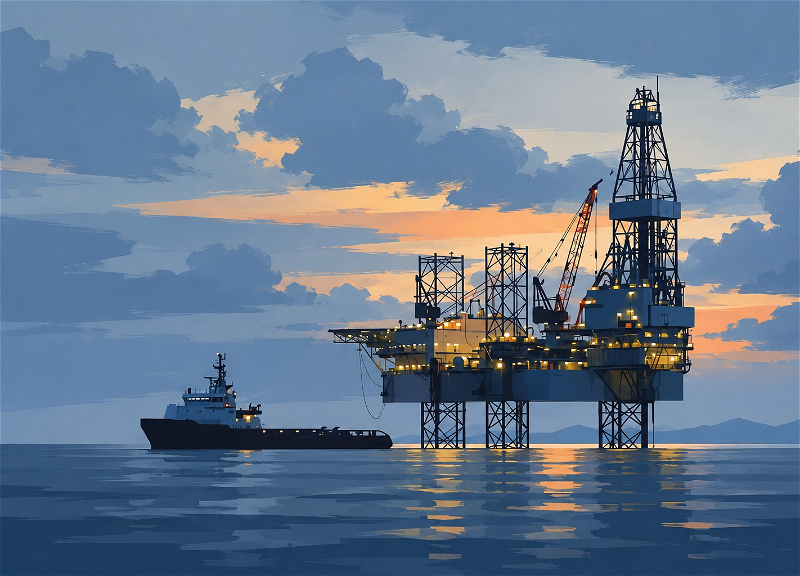
An Iranian drone struck a UAE oil platform in the Persian Gulf and one of the world’s largest oil refineries in Saudi Arabia.
Kuwait’s international airport was also attacked, with several workers injured.
The foreign ministers of Qatar, Saudi Arabia, UAE, Kuwait, Oman, and Bahrain held a virtual meeting of the Gulf Cooperation Council and stated that they reserve the right to respond to Iranian strikes.
In Iraq and Pakistan, crowds of protesters attacked US diplomatic missions. In Karachi, Pakistan, people broke into the US consulate building and set it on fire. Clashes with police resulted in at least 10 deaths.
In Baghdad, hundreds of protesters attempted to storm the “Green Zone” and the US embassy. Tear gas was used, and there are reports of injuries.
UN Secretary-General António Guterres convened an emergency Security Council meeting, calling the events a “betrayal of diplomacy” and a threat of unimaginable scale.
Russia and North Korea condemned the actions of the US and Israel, labeling them an “unprovoked act of aggression against a sovereign state.” China, Turkey, and several other countries also condemned the aggression against Iran, while simultaneously criticizing Iran’s attacks on regional countries, urging Tehran to respect the territorial integrity and sovereignty of Gulf states.
French President Emmanuel Macron, German Chancellor Friedrich Merz, and British Prime Minister Keir Starmer called for the resumption of negotiations on Iran’s nuclear program. They assured that their countries did not participate in the strikes on Iran. However, the leaders of the three countries condemned Iran’s retaliatory strikes on facilities in neighboring countries.
Friedrich Merz stated that the world faces the dilemma of a potential international war. He expressed concern that the Washington-Tel Aviv operation against Iran is not without serious risks, and its consequences are difficult to predict.
Meanwhile, Donald Trump urged the Iranian people to revolt, declaring that “the time of tyranny has come to an end.”
According to the Israel Defense Forces (IDF), over the past 24 hours, Israel has faced 62 waves of missile and drone attacks. Most were intercepted, but cities are exhausted by constant alerts.
Reports also emerged of a new wave of missiles from Iran targeting a US aircraft carrier and a French base in the region.
A list of deceased Iranian officials has been published. In addition to Khamenei, the deaths of Defense Minister Aziz Nasirzadeh, IRGC head Mohammad Pakpour, and Security Council Secretary Ali Shamkhani have been confirmed.
Meanwhile, the oil market is reacting to the threat of a blockade of the Strait of Hormuz, which could disrupt the supply of about 20% of the world’s oil and liquefied natural gas. Amid these concerns, oil prices surged by 10%, approaching $100 per barrel.
Amid external strikes, opposition forces within Iran have become active. The so-called “Resistance Units” (NCRI) claim to have seized several administrative buildings in provinces. Protests that began in January continue in major cities (Tehran, Mashhad).
According to the activist news agency Human Rights Activists News Agency (HRANA), the number of deaths in clashes with security forces inside Iran over recent months and days has exceeded 7,000. Internet access in the country has been almost completely shut down.