U.S. transmits 15-point plan to Iran for Middle East war settlement, sources say
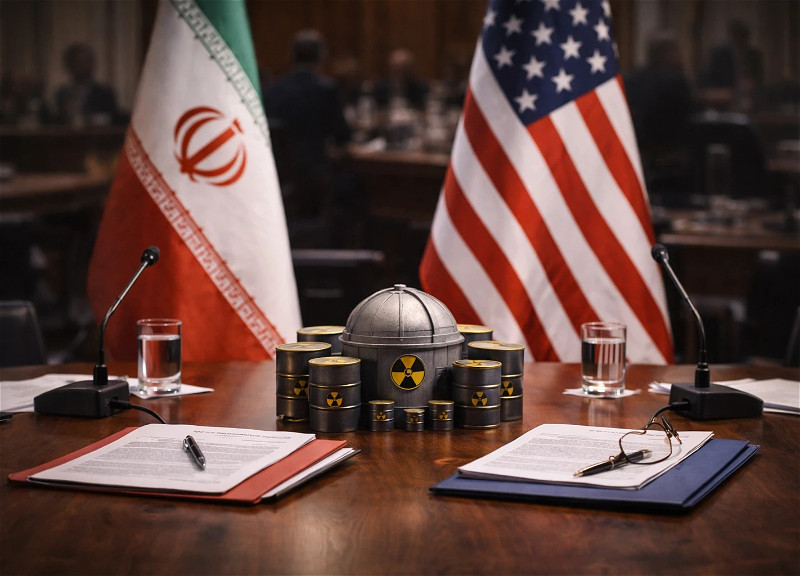
According to two informed sources familiar with the course of diplomatic negotiations, the United States has transmitted a 15-point plan to Iran for settling the ongoing war in the Middle East, as reported by The New York Times (NYT). According to them, the document was delivered through Pakistan.
The editorial team at NYT has not seen the contents of the plan. However, the sources, who spoke on condition of anonymity due to the confidentiality of the negotiations, revealed its general outlines: the document addresses Iranian ballistic missile and nuclear weapons programs, as well as issues related to maritime corridors. Since the beginning of the conflict, Iran has effectively blocked the Strait of Hormuz to Western vessels, leading to a sharp rise in global oil and gas prices.
It is unknown whether the plan has been widely communicated to Iranian leadership and whether Tehran is prepared to consider it as a basis for negotiations. The position of Israel, which, together with the U.S., has been conducting bombings of Iran since February 28, also remains unclear.
According to available information, a key mediating role between the two warring sides has been taken by the Chief of Army Staff of Pakistan, Field Marshal Syed Asim Munir. Sources note that he maintains close ties with the Islamic Revolutionary Guard Corps. Recently, Munir approached the Speaker of the Iranian Parliament and former IRGC commander Mohammad Baqer Qalibaf with a proposal to host negotiations on Pakistani territory, as reported by Iranian and Pakistani officials who also wished to remain anonymous.
Munir has met with President Trump twice in 2025. Trump publicly referred to him as his "favorite field marshal." On March 25, Pakistani Prime Minister Shehbaz Sharif wrote on social media that his country "fully supports efforts for settlement" and is ready to serve as a platform for negotiations "with the consent of the U.S. and Iran."
Egypt and Turkey are also pressuring Tehran to engage in constructive dialogue, the sources note.
Despite diplomatic signals, there are no signs of an imminent cessation of hostilities. Israeli officials state that they expect the war to continue for several more weeks. Iran continues to launch missile strikes on Israel and neighboring Arab countries and retains 440 kilograms of highly enriched uranium in its possession.
White House Press Secretary Karoline Leavitt confirmed the fact of negotiations but emphasized: "While President Trump and his negotiators explore this new opportunity for diplomacy, Operation Epic Fury continues in full scope to achieve the military objectives set by the Commander-in-Chief and the Pentagon."
According to The New York Times, among additional factors complicating diplomacy is the paralysis of Iranian command. On the first day of the war, an Israeli strike on a command center in Tehran killed Supreme Leader Ali Khamenei and several high-ranking officials. It remains unknown who currently holds the authority to make decisions on matters of war, peace, and diplomacy. According to available information, surviving senior Iranian officials are experiencing significant difficulties with internal coordination and fear that in-person meetings could provoke new airstrikes.
The White House's readiness for negotiations, according to NYT sources, suggests that Trump is currently inclined to preserve the current Iranian regime—albeit in a weakened and more compliant form. At the same time, neither Trump nor Israeli Prime Minister Benjamin Netanyahu has made a final determination on whether regime change is among their military objectives.