Songs and dances in Tashkent: Influencer brothers Tate, accused of trafficking, begin tour of Central Asia - PHOTO - VIDEO
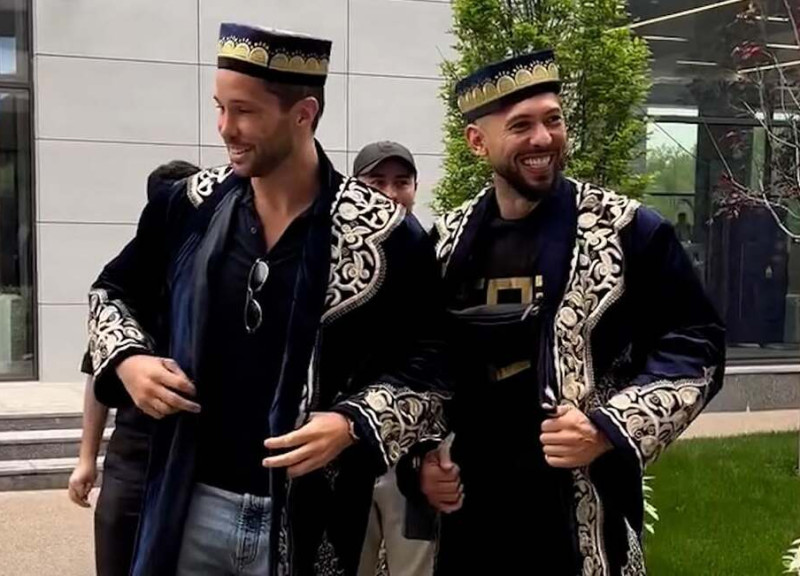
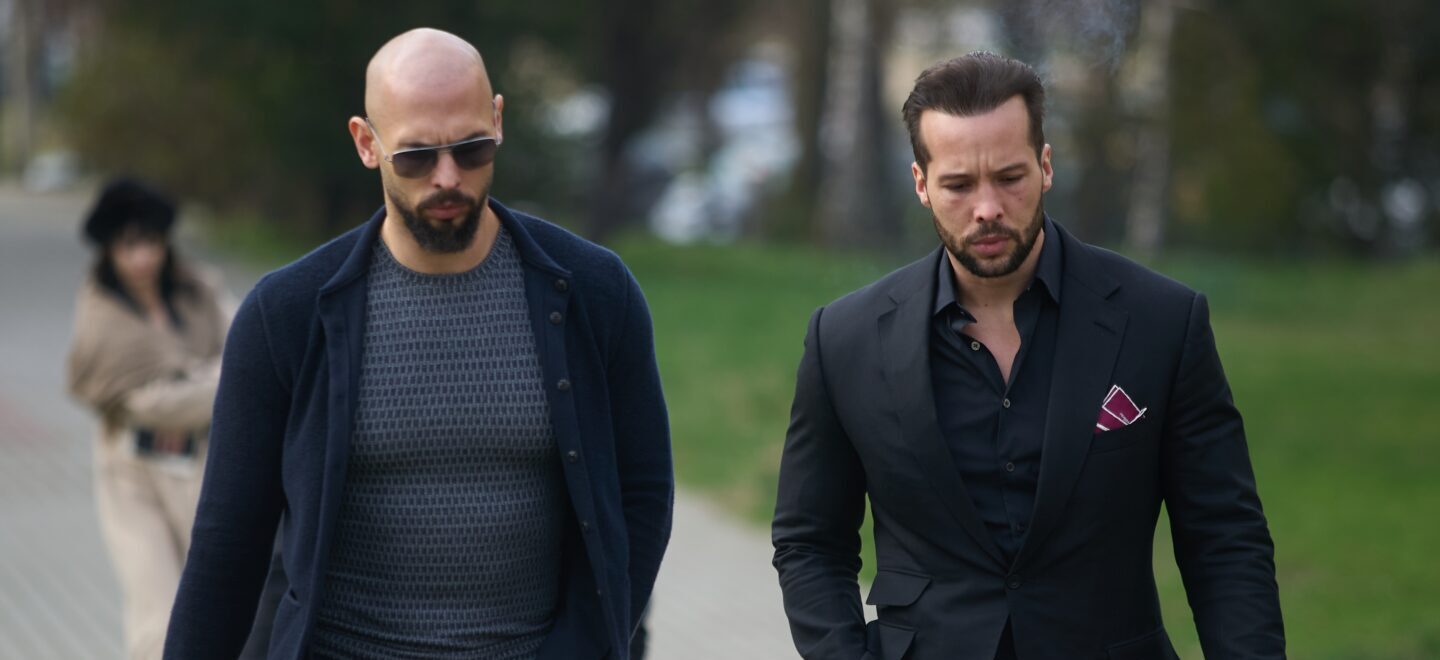
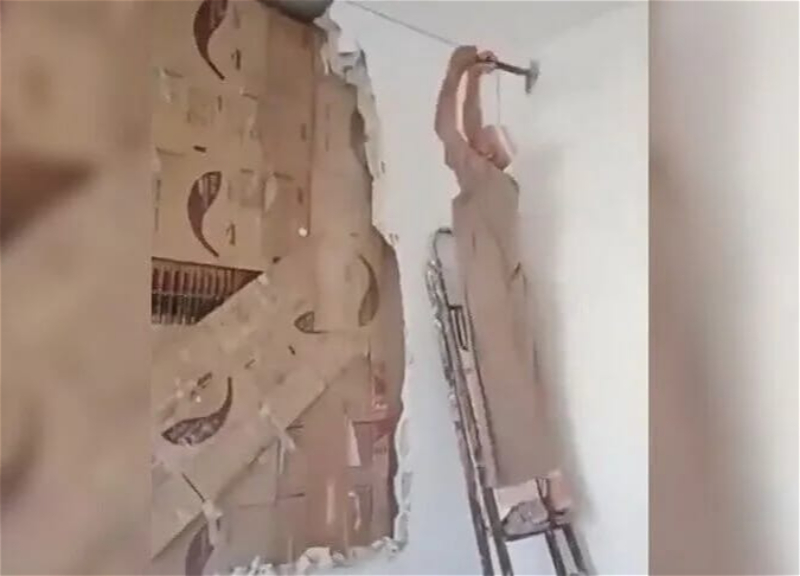
In early April, Andrew Tate and his brother Tristan made an appearance in Tashkent. In photos on their account, they are seen wearing a traditional Uzbek chapan, accompanied by a small entourage, with the caption: "While the West collapses, new opportunities emerge."
In a video circulated on social media, a group of girls in national costumes performs a traditional dance in front of them.
A month earlier, the Tate duo was already in Almaty—also wearing a chapan, and also making vague references to "business." Their regional tour is gaining momentum.
Andrew Tate is a "phenomenon" that requires a separate introduction. An American-British influencer and former kickboxer, he built a multimillion-strong audience not on athletic achievements, but on aggressive rhetoric: women are a resource, feminism is a conspiracy, and a real man lives outside "restrictions."
His platform, The Real World, sells courses on "financial freedom" to young people through a multi-level marketing scheme—subscribers pay fees and receive commissions for recruiting new participants. Tate himself later described this model as a "total scam."
In 2024, he launched a meme coin called DADDY, which reached a capitalization of $217 million, while simultaneously promoting a crypto project positioned as a tool for tax evasion. Following this, the football club Barcelona, which had rushed to partner with the project, terminated the contract after just a month and a half. Major social platforms have deleted his accounts for violating policies on hate speech. But this is just the facade.
Behind the facade are criminal cases in several jurisdictions.
IN THE PHOTO ANDREW TATE
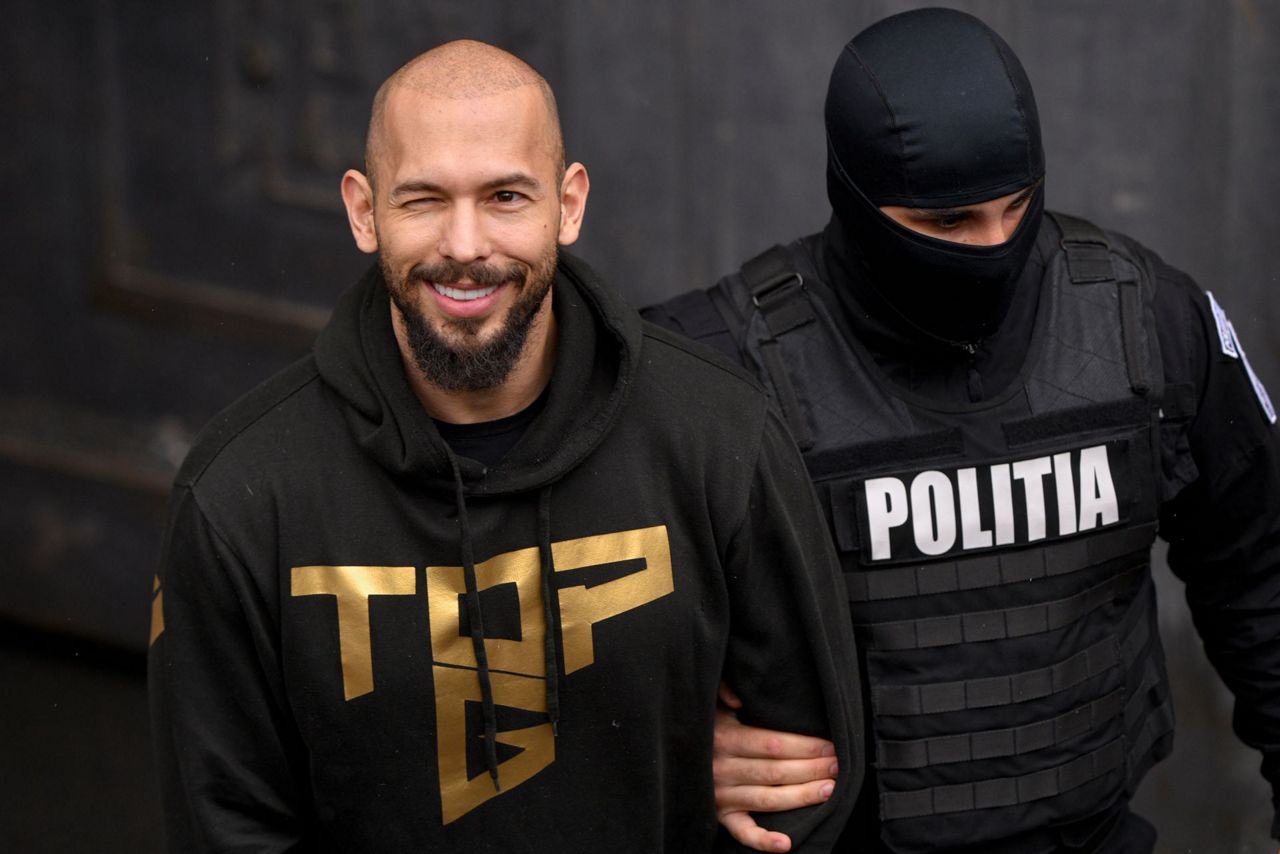
In Romania, where the Tate brothers settled a few years ago, they face charges of human trafficking, forming an organized criminal group, and sexual exploitation of women. The investigation found that victims were recruited through a so-called "lover boy" scheme—via simulated romantic relationships—after which the women were coerced into producing paid explicit content.
Andrew Tate has additionally been charged with rape. In May 2025, the British Crown Prosecution Service brought 21 charges against the brothers, including rape, assault causing bodily harm, and human trafficking.
Simultaneously, a civil case is underway in the United States.
In total, there are six active investigations across three countries. The brothers deny all allegations, calling them part of a global "matrix" conspiracy against independent men.
Despite all this, the brothers are traveling through Central Asia and posing for photos in honorary robes. How individuals under judicial supervision in Romania, with travel restrictions, manage to leave the country is a separate question.
But the issue is not just who the Tates are—that has long been documented. The question is, who is bringing them here? And the answer seems disappointingly simple, devoid of any conspiracy or hidden agendas. It’s just people for whom "reach" and "hype" have long replaced the concept of reputational analysis.
The event organizer or PR specialist sees a name with ten million followers and considers the task solved. What lies behind that name is either uninteresting to them or deemed insignificant compared to tomorrow’s views. This is professional incompetence, the cost of which in today’s media landscape is far higher than it seems at the moment of signing a contract.
Reputational consequences come quickly and are rarely symmetrical.
IN THE PHOTO ANDREW AND TRISTAN TATE
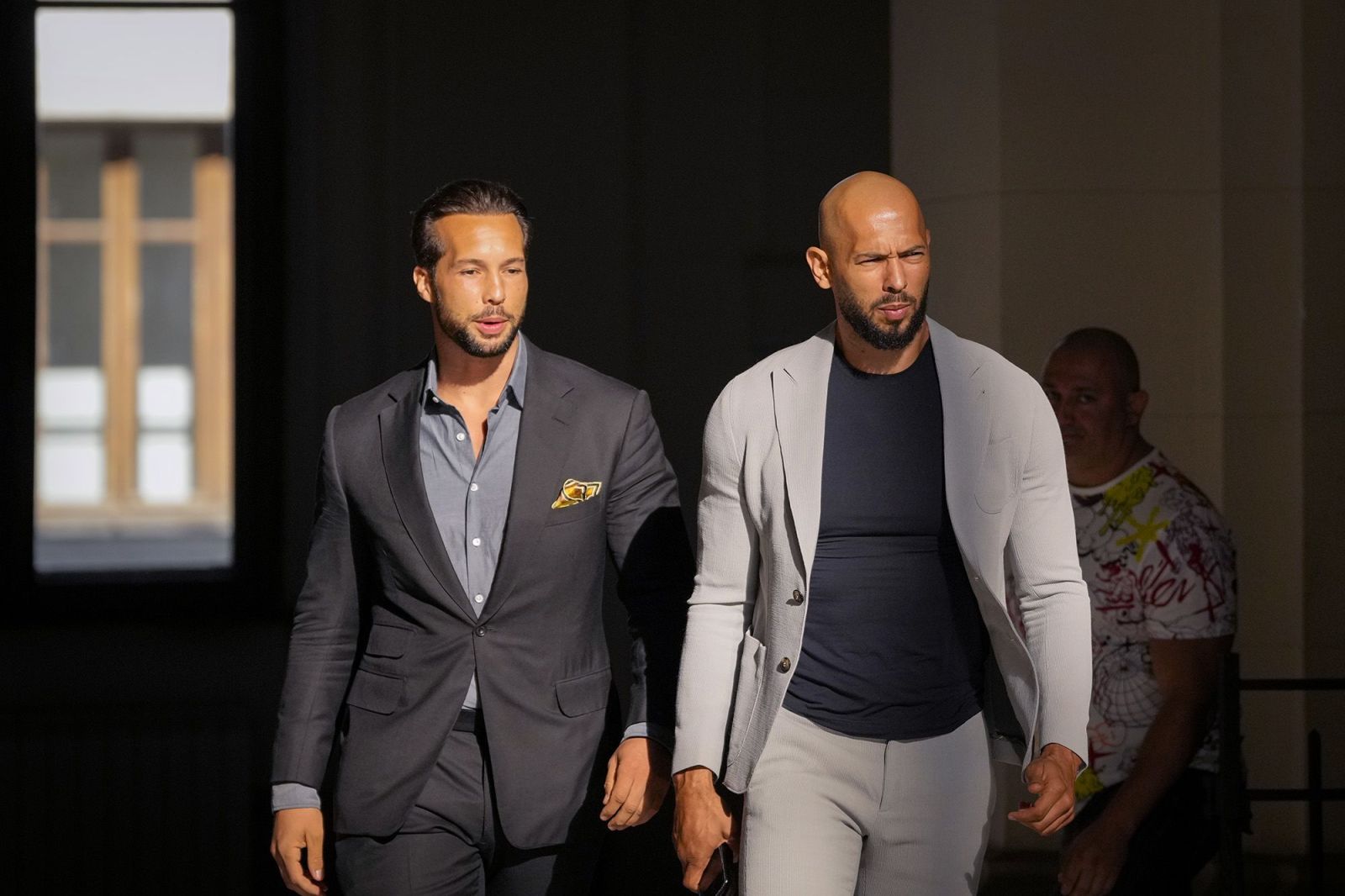
For the organizing company, an association with a figure accused of human trafficking is not just an embarrassment. It’s a signal to international partners, investors, and media about the level of due diligence within the organization. In a corporate culture where ethical partnership standards have become part of investment analysis, such a misstep is noted and remembered. A telling precedent: Barcelona terminated its contract with Tate’s crypto project after just a month and a half—and that was merely an advertising deal, not a personal appearance. Direct partnership costs more.
For a country, the stakes are higher.
Azerbaijan, Kazakhstan, and Uzbekistan are consistently building an image of modern states. Baku, in recent years alone, has hosted COP29 and the Formula 1 Grand Prix, actively asserting itself on the international stage. In the near future, Azerbaijan and Uzbekistan will jointly host the Youth World Cup in football. This image is shaped not only by official communiqués but also by whom the country welcomes as guests and whose names are associated with its hospitality.
The appearance of a person with active human trafficking charges in an official or semi-official context is ready-made material for the global press, which does not miss such contradictions. A single report in the Financial Times or BBC costs more than any media coverage from an influencer’s visit.
Central Asia has become an obvious destination for such tours for a reason. The audience here is younger, institutional criticism is lower, and immunity to Western toxic brands, which are no longer accepted at home, has not yet developed.
The region is turning into a market of second chances: what didn’t pass moderation in the West finds a new audience and new organizers here, ready to equate hype with communication.
Azerbaijan is not yet on Tate’s itinerary. But the logic of the tour is clear, and precedents have been set. Before this individual ends up in Baku, it’s worth asking a simple question to those making such decisions: what signal are we sending—to young men in the country, to international partners, to our own media space?
Because a person with six active criminal investigations arriving "on business" is not cultural exchange. It’s a reputational trap from which one does not emerge with the same indicators as when entering it.
Let’s hope we don’t see Tate stepping out of the business lounge at Baku airport.
IN THE PHOTO ANDREW AND TRISTAN TATE