Bridge over turbulent waters: why the key to East-West transit is now in Baku
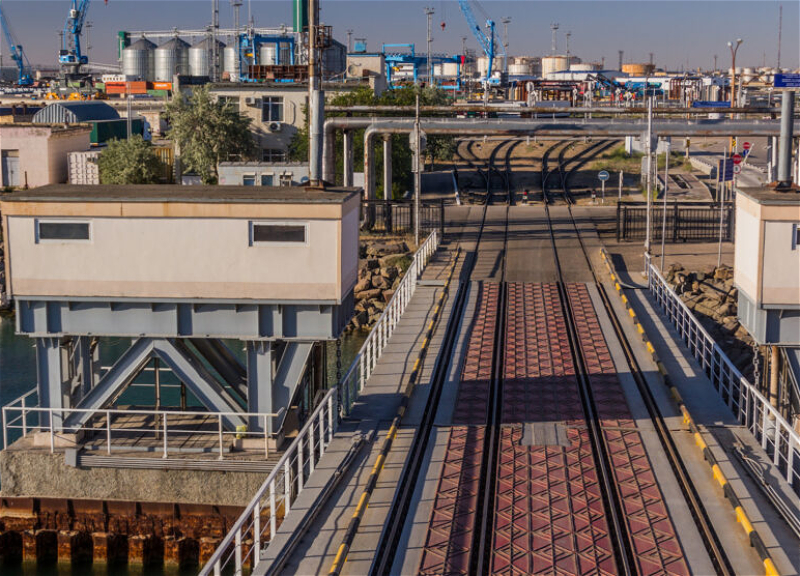
Brussels is ready to spend billions to direct Asian transit around sanctioned Russia and Iran, which is engulfed in a military crisis.
However, while European officials are building ambitious plans, most of the cargo still goes along the traditional northern route. Whether the Trans-Caspian route, known as the Middle Corridor, can make a historic breakthrough, and why Azerbaijan is today at the center of this transport geopolitics, is discussed in an article from the publication Emerging Europe.
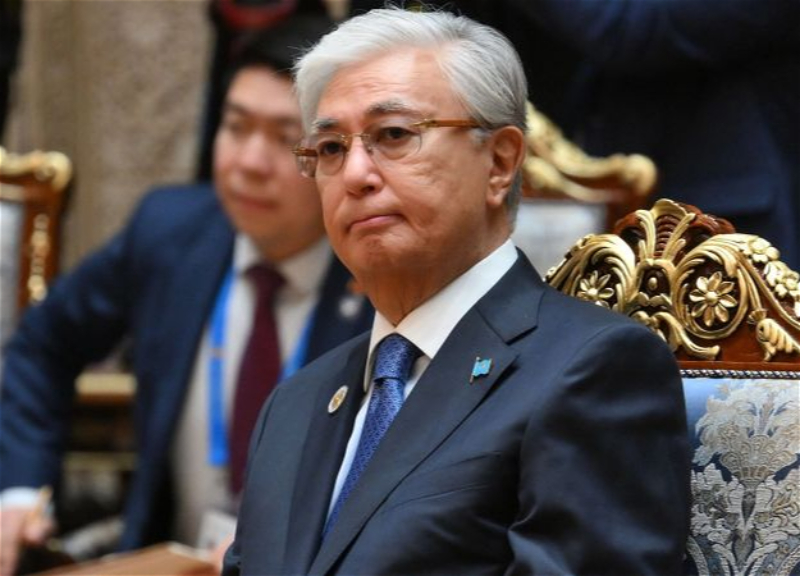
As noted in the material, at the end of June in Brussels, significant events took place when President of Kazakhstan Kassym-Jomart Tokayev held a series of meetings with European leadership on the occasion of the launch of the EU Transport Connectivity Coordination Platform. European Commission representatives did not skimp on promising statements. New European Commissioner for International Partnerships Jozef Sikela called the Middle Corridor a vital bridge between Europe and Asia, and his colleagues acknowledged that the stability of European supplies and the competitiveness of the union now directly depend on the reliability of this route. Brussels immediately backed its declarations with readiness to allocate up to 2 billion euros through development banks. On the same day, the Development Bank of Kazakhstan agreed on financing of almost $1 billion with a pool of major Western banks under guarantees from the MIGA agency. Astana is actively increasing its participation, announcing investments of $35 billion over the past 15 years, which has already allowed increasing cargo turnover along the corridor to 4 million tons with the prospect of reaching 10 million.
Caspian node: Baku and Ankara as an alternative to the Red Sea
Geopolitical escalation in the Middle East has forced global logisticians to urgently seek new routes. Military strikes on Iran and the crisis in the Red Sea have practically paralyzed the Persian Gulf for major maritime carriers, turning the land route across the Caspian into an alternative-free safe haven. Turkey and Azerbaijan are acting preemptively in this situation. The Turkish Ministry of Transport is actively promoting its country as the main western terminal of the corridor, which has led to an unprecedented flow of requests from global shippers to Baku and Astana, the article states.
The growth in load requires immediate infrastructure expansion, and here Azerbaijan’s industrial potential plays a key role. Kazakh operator KTZ Express has already ordered new large-tonnage container ships for the Caspian, with part of the order transferred to the Baku Shipbuilding Plant. In parallel, the state company China Railway has entered the capital of a joint consortium of railways from Azerbaijan, Kazakhstan, and Georgia, which guarantees an influx of Chinese investments and cargo directly into the regional logistics system.
Bottlenecks on the way to Europe
Nevertheless, the material states, Western analysts warn that the Middle Corridor may face serious obstacles, the main one remaining Georgia as the only outlet of the route to the Black Sea and European markets. The Baku-Tbilisi-Kars railway, which forms the basis of land transit, is already operating at the limit of its capacity, and sharp traffic surges periodically lead to train congestion at the border. The situation is further complicated by the fact that Tbilisi continues to delay the implementation of the deep-water port project in Anaklia, restraining the potential of maritime transport.
How Azerbaijan untangles transport knots
Baku does not intend to remain hostage to its neighbors’ infrastructure limitations, the author emphasizes. The management of Azerbaijan Railways is actively working to attract clients and optimize processes on international platforms. The main task of Azerbaijani logisticians today is to make eastward delivery as efficient and predictable as westward delivery, solving the problem of half-empty containers returning from Europe. To this end, Azerbaijan, together with its partners, is promptly expanding its rolling stock fleet and increasing its Caspian fleet.
Moment of truth
While the Middle Corridor is experiencing growing pains. The cost of container delivery here is still noticeably higher than on the northern route through Russia, and transportation times due to border queues can stretch up to two months. The northern route continues to operate steadily, showing growth in transit, but its security under conditions of ongoing conflict remains in question. For Azerbaijan and its partners, a decisive moment has arrived when the unique chance to intercept global trade flows requires all route participants to demonstrate maximum coordination and rapid infrastructure modernization, the material concludes.