Hungary recalls another 25 ambassadors as part of large-scale diplomatic reform
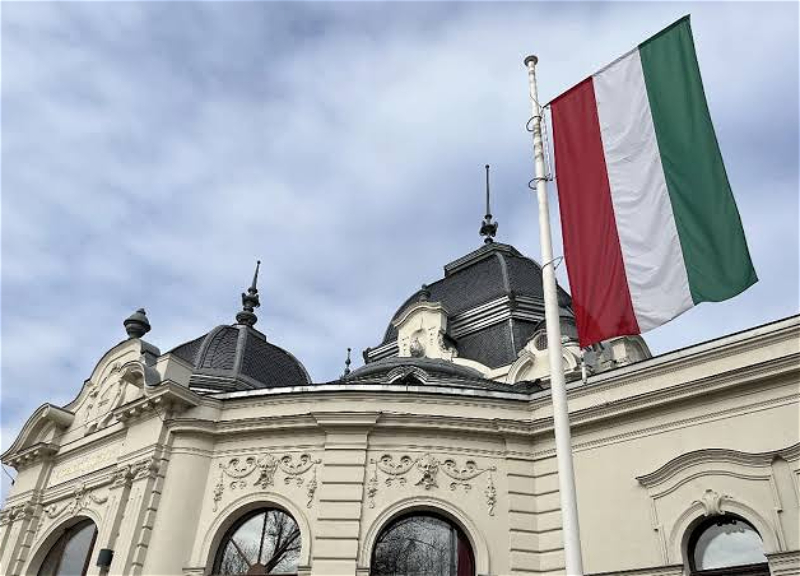
Hungary has carried out one of the largest diplomatic reshuffles in recent years.
At the initiative of Foreign Minister Anita Orban, the powers of another 25 ambassadors and heads of diplomatic missions were terminated, including the leaders of key strategic posts for the country. The corresponding decree was published in the official government gazette.
Who left their posts
Personnel changes affected ambassadors in the world's most important capitals:
- Washington — Szabolcs Ferenc Takács
- London — Ferenc Kumin
- Brussels — Tamás Iván Kovács
- Moscow — Norbert Attila Konkoly
- Kyiv — Antal Heizer
- Belgrade — József Zoltán Magyar
- Bratislava — Csaba Sándor Balogh
In addition, the heads of Hungary's permanent representations to key international organizations were recalled, including NATO, the UN, the World Trade Organization (WTO) and the OSCE.
Full list of affected countries and missions
The second wave of reshuffles covered diplomatic representations in Algeria, Armenia, Belgium, the United Kingdom, Venezuela (mission to the UN/OSCE in Vienna), The Hague (Netherlands), Doha, Iraq, Kyiv, Copenhagen, London, Manila, Moscow, Oslo, Prague, Bratislava, Belgrade, Bogotá, South Africa, Sarajevo, Singapore, Tbilisi, Washington, as well as representations to NATO (Brussels) and the UN/WTO (Geneva).
Context and reasons for the reshuffles
For the new Hungarian government, this is already the second large-scale wave of personnel purges in the diplomatic sector — at the end of June, the ministry terminated the mandates of 37 heads of diplomatic missions. Foreign Minister Anita Orban explained these steps as “professional renewal.” According to her, the goal of the reform is to create a high-class diplomatic corps capable of effectively promoting Hungary's foreign policy goals and strengthening its international influence.
Official names of successors to the vacated positions have not yet been announced. New candidates will be presented to the public after they undergo mandatory hearings in the relevant parliamentary committees.