Netanyahu instructs to start direct negotiations between Israel and Lebanon
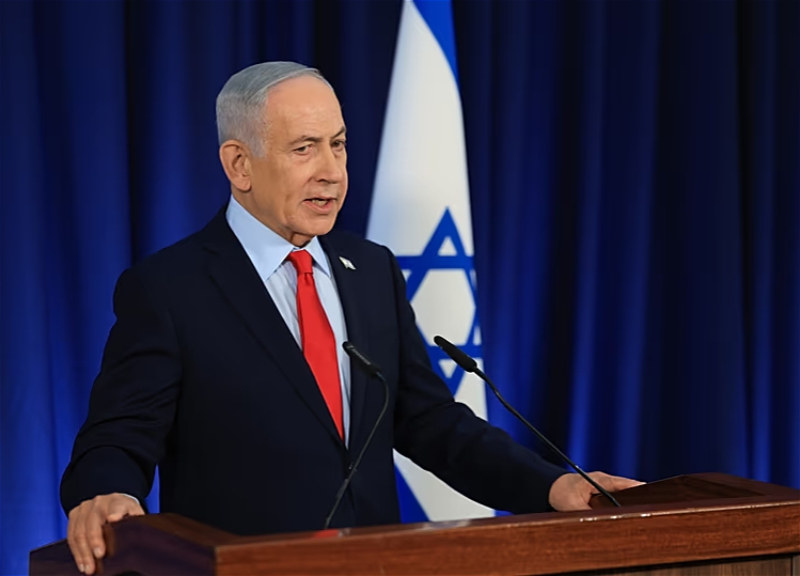
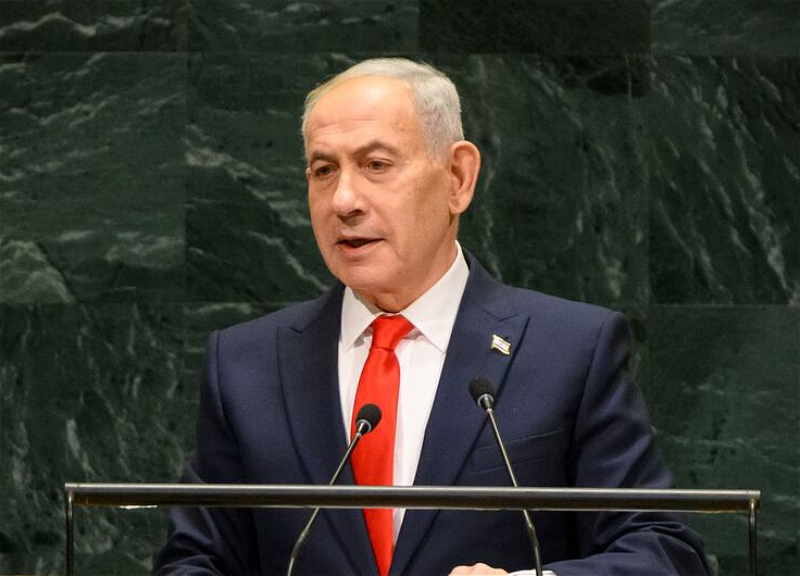
Israeli Prime Minister Benjamin Netanyahu has instructed to begin direct negotiations with Lebanon on the disarmament of the radical Shia movement "Hezbollah" and the establishment of peaceful relations between the two countries.
The corresponding statement was published on April 9 on the website of the Israeli government.
According to Netanyahu, requests to start negotiations have been received "repeatedly" from Lebanese authorities. The Prime Minister noted that he gave the instruction to begin dialogue "as soon as possible" during a government meeting on April 8. "Israel highly appreciates today's call by the Lebanese Prime Minister for the demilitarization of Beirut," Netanyahu added.
The negotiations on behalf of Israel will be led by the country's ambassador to the United States, Yehiel Leiter, according to the Israeli news portal Ynet, citing a source. Another source from the publication indicated that the talks will begin next week at the U.S. State Department.
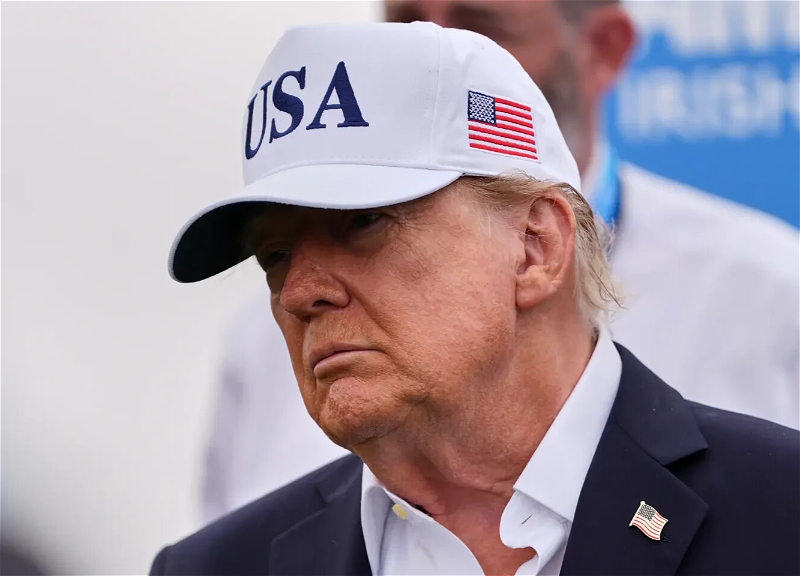
On April 8, U.S. President Donald Trump, during a phone conversation with Netanyahu, asked him to reduce the number of strikes on Lebanon to avoid disrupting negotiations with Iran, with which both countries have been at war since late February. In response, Israel agreed to "be a helping partner," as reported by NBC, citing a senior White House official.
It is noted that the conversation between the leaders of the two countries took place after Netanyahu publicly stated on the same day that Israeli strikes on Lebanon and a ground operation in the south of the neighboring country would continue. He explained this decision by stating that the two-week ceasefire announced by the U.S. and Iran does not apply to Lebanon. Netanyahu's position was supported by Vice President James David (JD) Vance, but representatives of Tehran stated that the cessation of hostilities in Lebanon was part of the ceasefire agreement.
Two-week ceasefire
Since February 28, the U.S. and Israel have been carrying out airstrikes on Iran, resulting in the deaths of Iran's Supreme Leader Ayatollah Ali Khamenei and a number of senior officials and security forces. In response, Tehran attacked neighboring states in the Persian Gulf region using missiles and drones.
On the night of April 8, the U.S. and Iran agreed on a two-week ceasefire—the agreement was reached less than an hour before the expiration of Trump's ultimatum, in which he threatened to "destroy" the Islamic Republic. The American leader stated that the deal was a "complete and absolute victory" for the U.S. Tehran, in turn, regarded the ceasefire as its own victory. "The enemy has suffered an undeniable, historic, and crushing defeat in its cowardly, illegal, and criminal war against the Iranian nation," said a statement from Iran's Supreme National Security Council.
Source: DW