Ecologists raise alarm: Caspian Sea may shallow by tens of meters
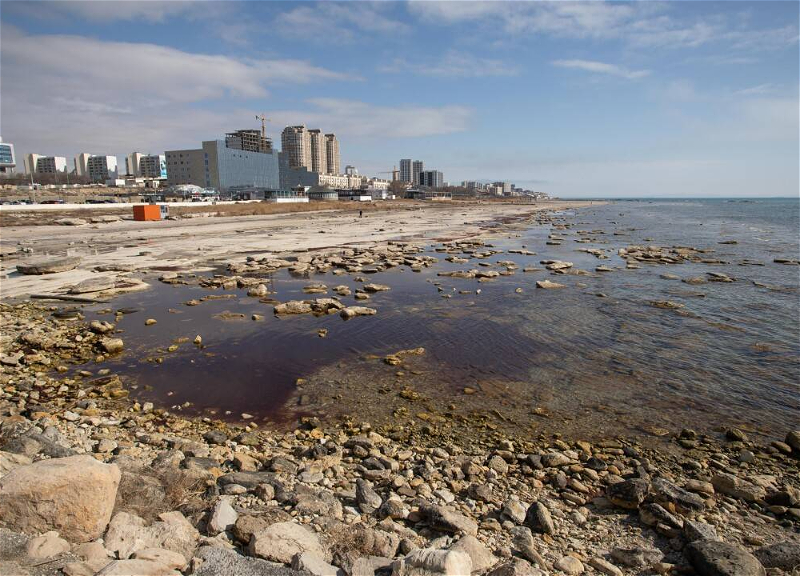
The water level in the Caspian Sea may decrease by 8 to 21 meters by 2050.
This was stated by Mahir Aliyev, coordinator of the interim secretariat of the Tehran Convention—a framework document on the protection of the Caspian—during a thematic session at the Regional Environmental Summit in Astana, where he served as moderator.
"There are some forecasts suggesting that the sea level may drop by 8 to 21 meters by the middle of this century," he said.
Aliyev added that addressing the issue of the Caspian’s shallowing requires long-term involvement of all five countries with access to the water body, rather than short-term efforts by just one party.
Deputy Secretary-General of the United Nations and Executive Director of the UN Environment Programme, Inger Andersen, also spoke at the session, urging the five Caspian littoral states to develop a joint program to improve the ecology of the Caspian. "I call on all countries that are parties to the convention to work together to finalize the action plan for 2026-2036, which will provide a real roadmap in the areas of scientific monitoring, adaptation to climate change, ecosystem protection, and specific mechanisms," she said. The UN Deputy Secretary-General emphasized the importance of collaboration with international partners to secure funding for the implementation of the plan and to scale up solutions.
The Caspian Sea is the largest inland body of water in the world. Five countries have access to it: Azerbaijan, Iran, Kazakhstan, Russia, and Turkmenistan. In 2003, these states adopted the Convention for the Protection of the Marine Environment of the Caspian Sea, which was signed in Tehran. The document outlines general requirements for environmental protection in the Caspian region and provides for the creation of necessary mechanisms to achieve this.
Source: TASS