Reza Deghati conveys the truth about Khojaly to the world at the Malta Biennale of Arts
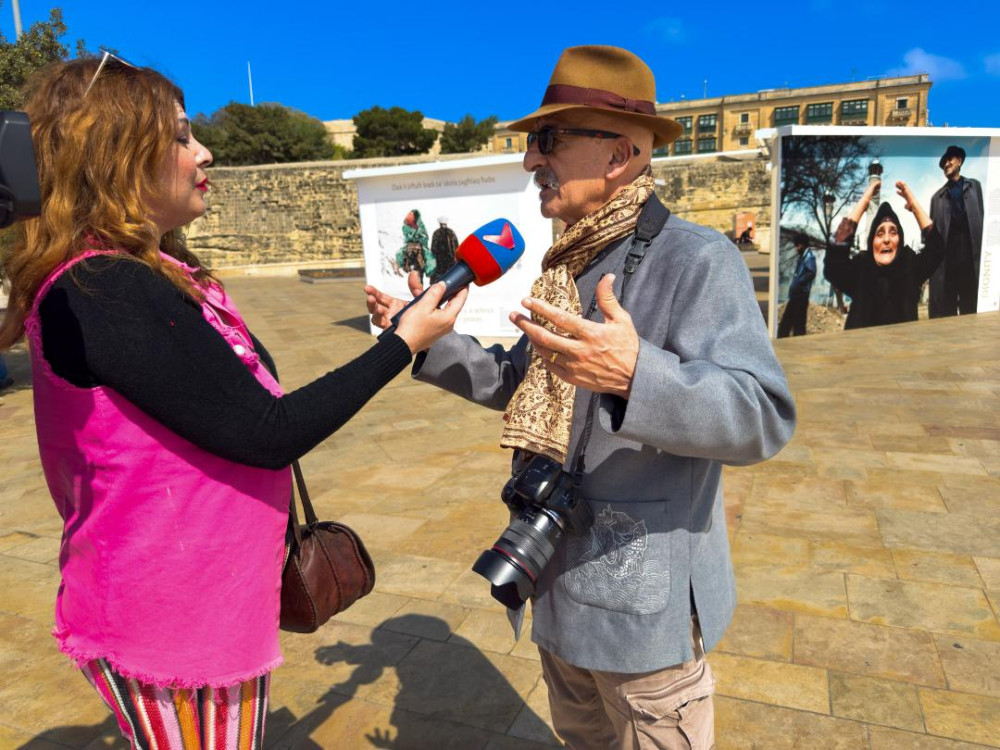
At the Malta Biennale of Arts, one of the most significant cultural events of 2026, the world-renowned photojournalist Reza Deghati once again managed to draw the attention of the international community to the Khojaly tragedy and the truth about Karabakh.
As reported by AZERTAC, Reza Deghati's exhibition "Women: Grace Beyond Struggle" and the portrait of Garatel from Khojaly were remembered as some of the most notable events of the Biennale.
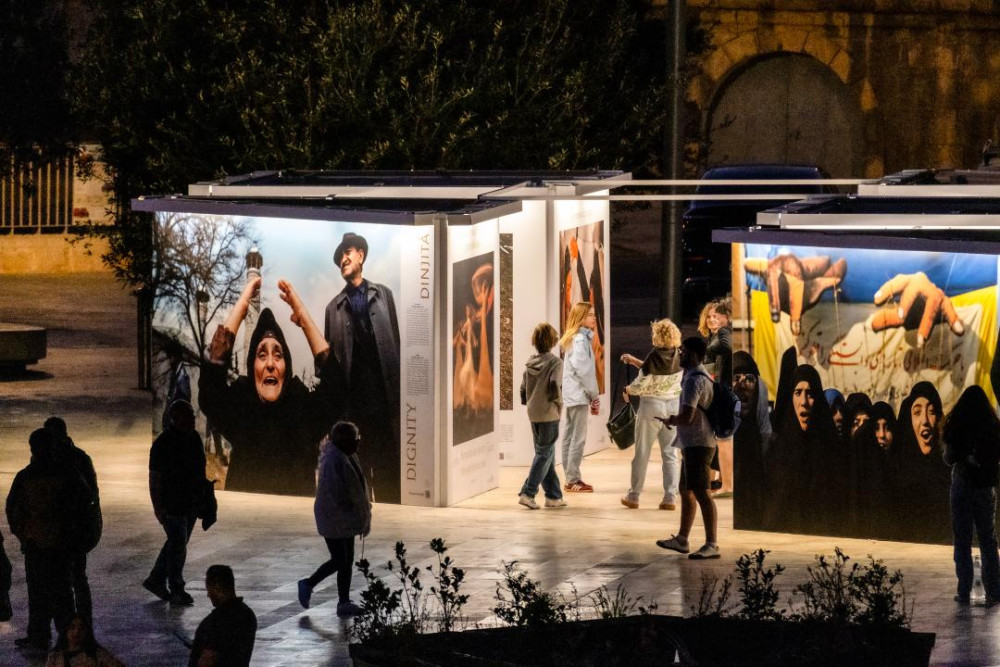
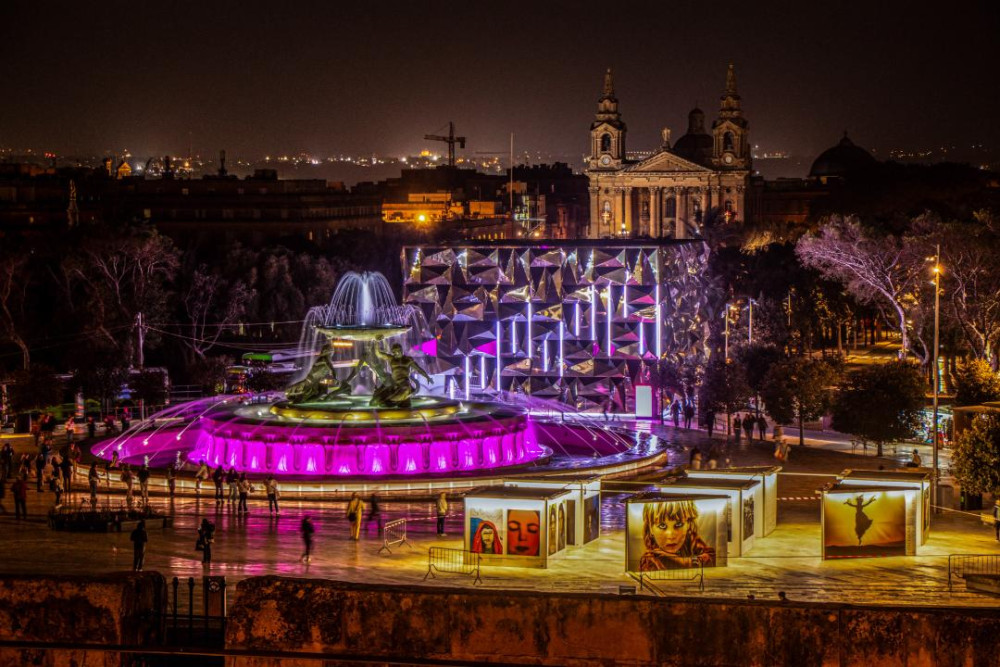
The exhibition "Women: Grace Beyond Struggle," based on photographs taken over decades in more than 115 countries, is not just a photo display but a living truth of life itself. Through Reza Deghati's lens, visitors encounter women from all continents: in war zones and open markets, in sorrow and joy, in mourning and hope. They are not passive images but creators of civilizations, bearers of memory, and those who find a path to survival.
As noted by the Malta Council for Culture and the Arts, Reza's photographs "do not remain indifferent to grief and suffering, yet they are not limited to them alone."
These photos confront visitors not only with the challenges women face but also with their extraordinary grace and beauty, their role in family and society, and how they have shaped our shared history.
As part of the exhibition, Reza Deghati also selected and presented works by five Maltese photographers to the audience.
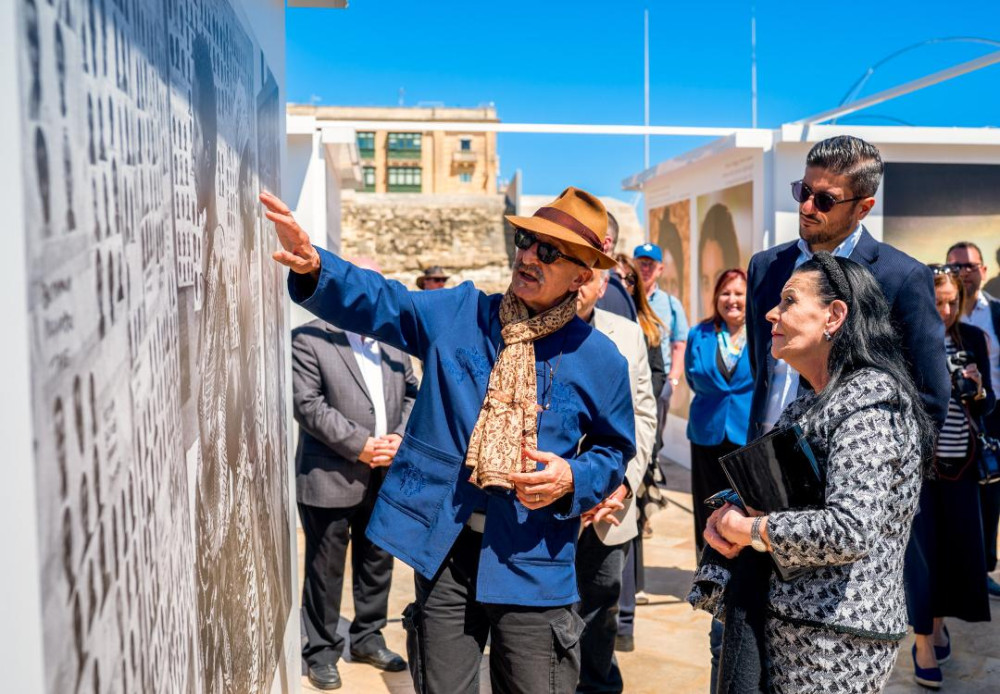
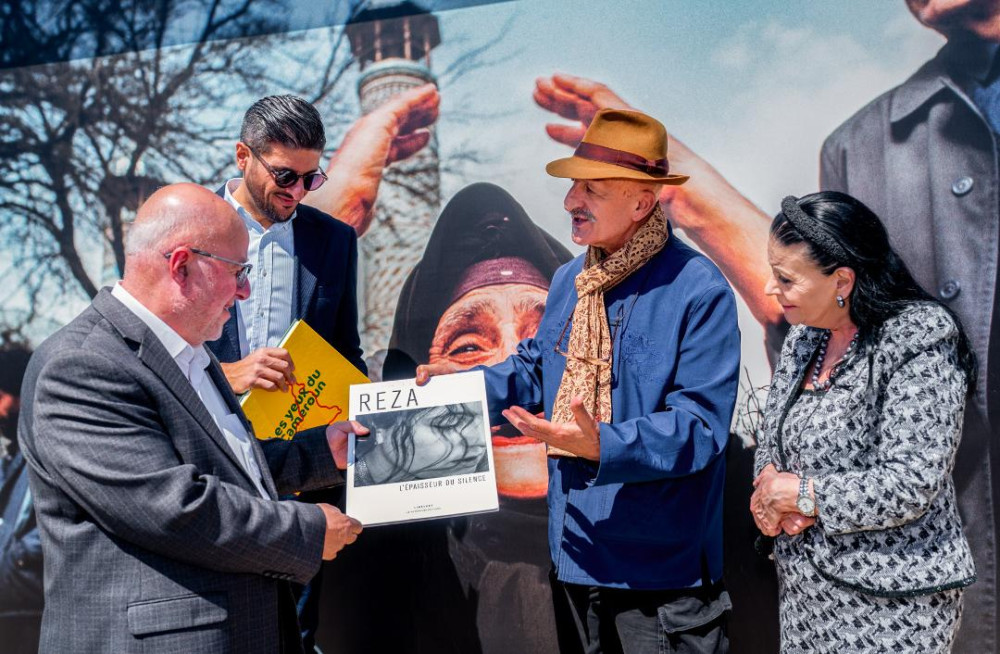
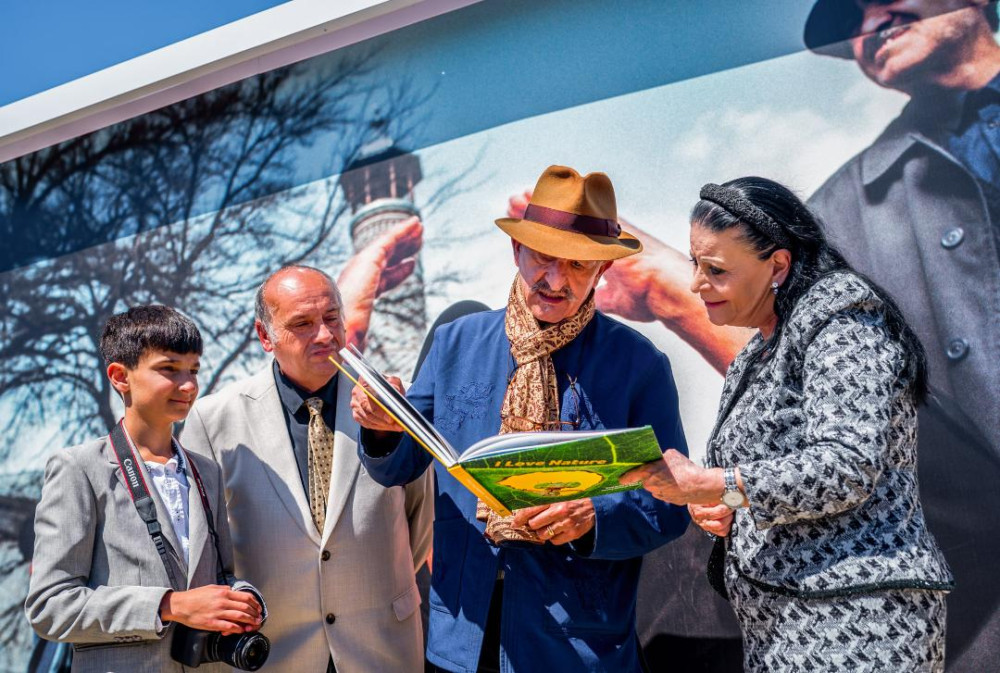
A testament to the high official recognition of the exhibition was the participation of the President of Malta, Myriam Spiteri Debono, who viewed the exposition accompanied by Reza himself. Speaking about her impressions on television, the President stated: "The art of photography—yes, I call it precisely art—is the most authentic form of visual arts."
About Reza, she said: "Reza, as an artist and photojournalist, has dedicated his life to documenting human stories across different corners of the world."
These were not merely words of formal courtesy. These thoughts, expressed in front of images of dignified women who have known war, struggle, and grief, became an acknowledgment of Reza Deghati's lifelong work at the highest level of the country.
Myriam Spiteri Debono, speaking at the official opening ceremony of the Malta Biennale, also described the event as "a space where thought merges with creativity, and heritage with the future," and photography as "a universal language that unites people, calls for reflection, and inspires the search for a better reality."
Behind the universal beauty of the exhibition "Women: Grace Beyond Struggle" lies a heavier and more staggering story. It is a truth that Reza Deghati, despite all obstacles, has carried in his heart for over thirty years. Having witnessed the events in Khojaly and listened to the sorrowful stories of survivors, Reza has, for 34 years, carried within him and conveyed to the world the cry for help of the people of Khojaly.
The book "Massacre of the Innocents," published in 2014, is still considered one of the most important photographic documents about Khojaly on the international stage. He has presented the exhibition "Khojaly: Wounded Souls" in Baku, Brussels, Vienna, and other cities. At conferences held in various countries around the world, he has told the truth about Khojaly.
At all the conferences he attended, Reza declared: "I have worked as a photojournalist for 43 years. I have been to many conflict zones around the world and captured countless tragedies. But the genocide in Khojaly shocked me the most. I consider it my duty to convey the truth about Khojaly to the entire world."
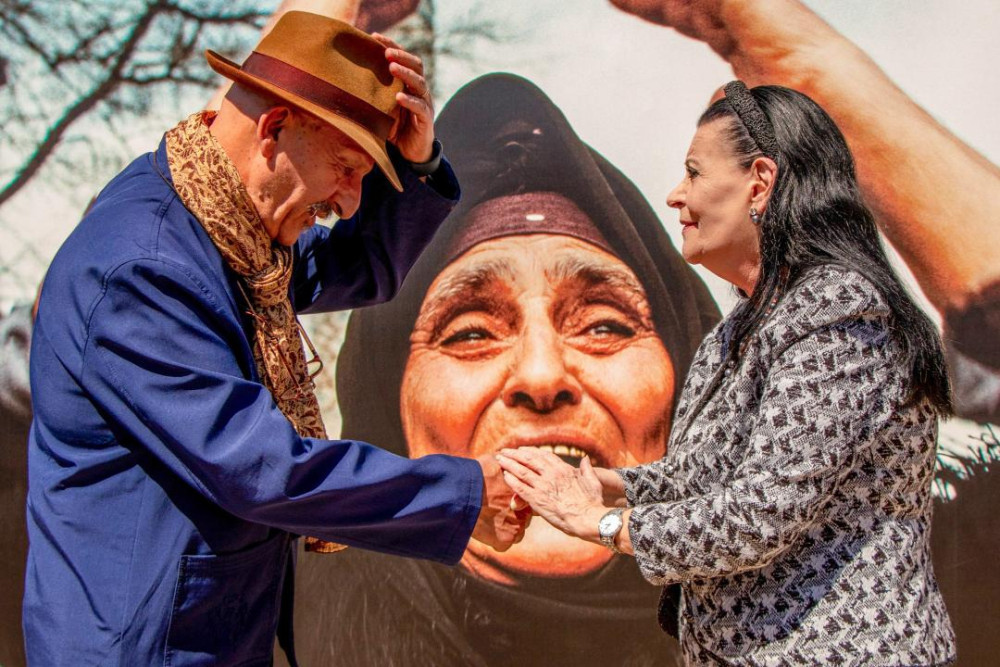
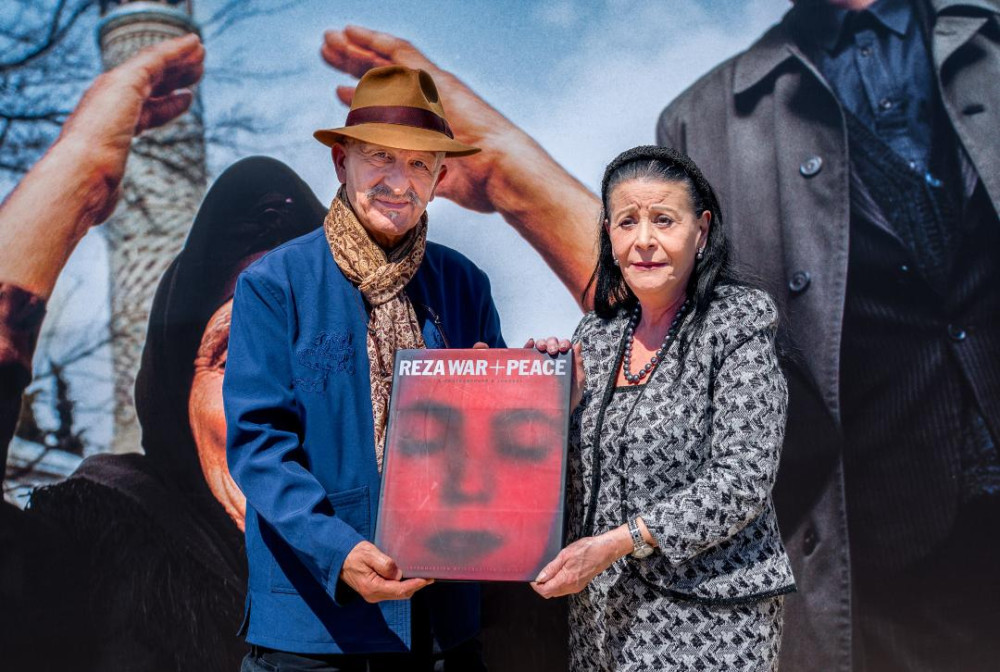
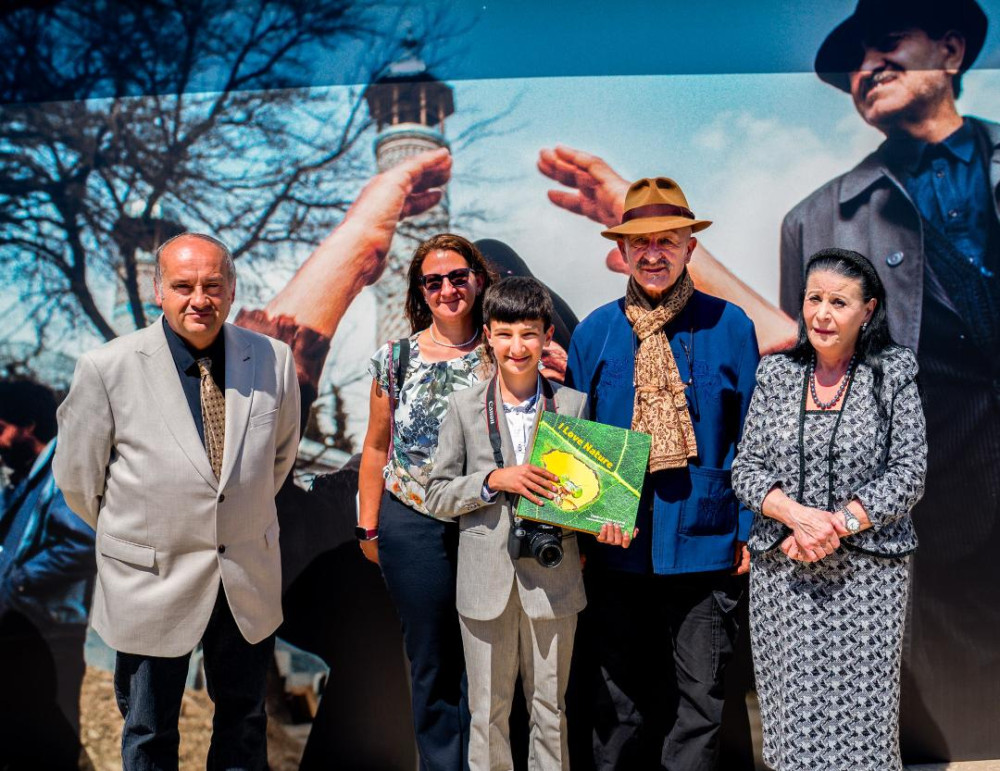
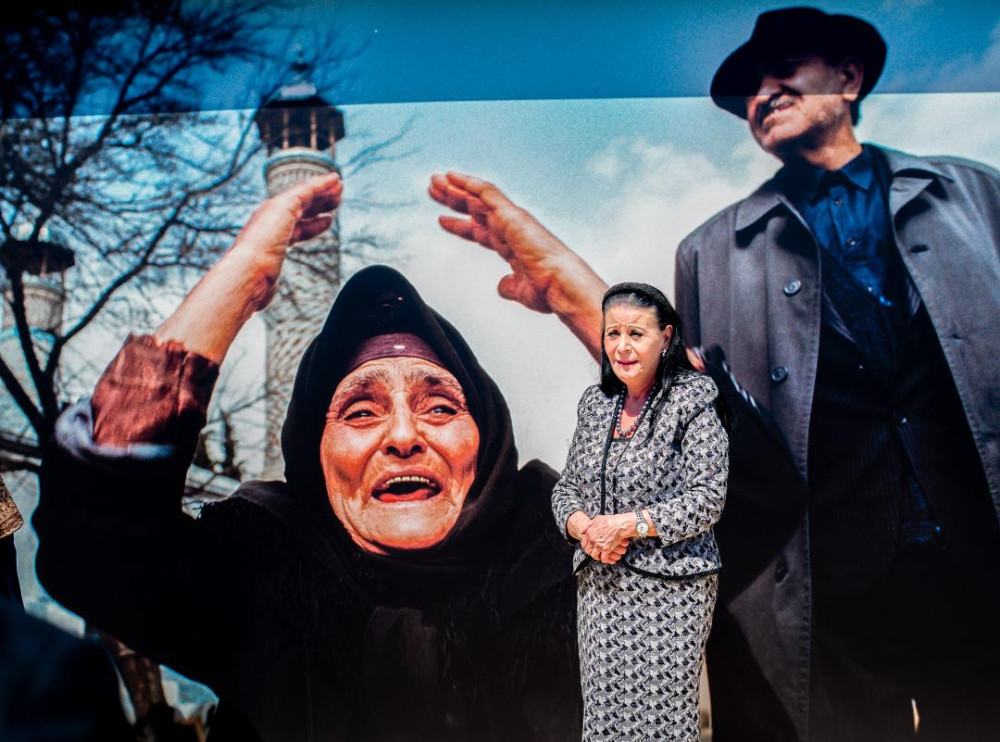
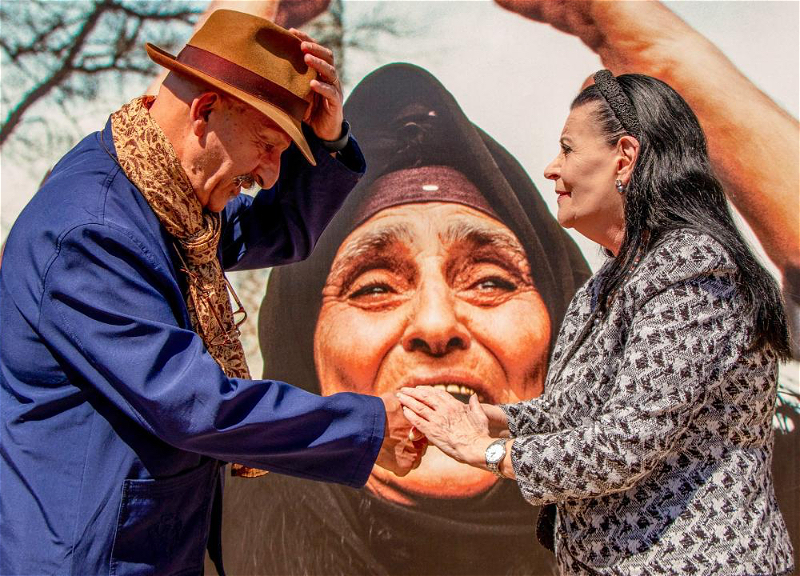
In 2026, at Triton Square in Floriana (Malta), Reza Deghati took a remarkable personal step. At his own expense, he prepared the largest-format photograph of the exhibition—a monumental portrait of Garatel, an elderly woman from Khojaly.
Garatel, whose face captures deep sorrow, has for many years been one of the most powerful images symbolizing the suffering of the Khojaly tragedy and the call for justice. Standing before this enormous photograph, towering against the Mediterranean sky, is to understand what Reza has fought for over the years. It is not just a photograph. It is a testimony. It is a manifesto. It is an open message at an international event held under the patronage of UNESCO and with the participation of the head of state: the voices of those who were not heard will be heard.
The Malta Biennale of 2026, organized in partnership with Heritage Malta and the Malta Council for Culture and the Arts, once again demonstrated that contemporary art in the Mediterranean region serves not only a decorative function.
This art, as Myriam Spiteri Debono said, is a language that unites people, calls for reflection, and inspires the search for a better reality.
Reza Deghati's participation in Malta, his exhibition, conference, and the monumental portrait dedicated to a woman from Khojaly became a visible embodiment of this reality.