EU to discuss implementation of Black Sea strategy with focus on South Caucasus
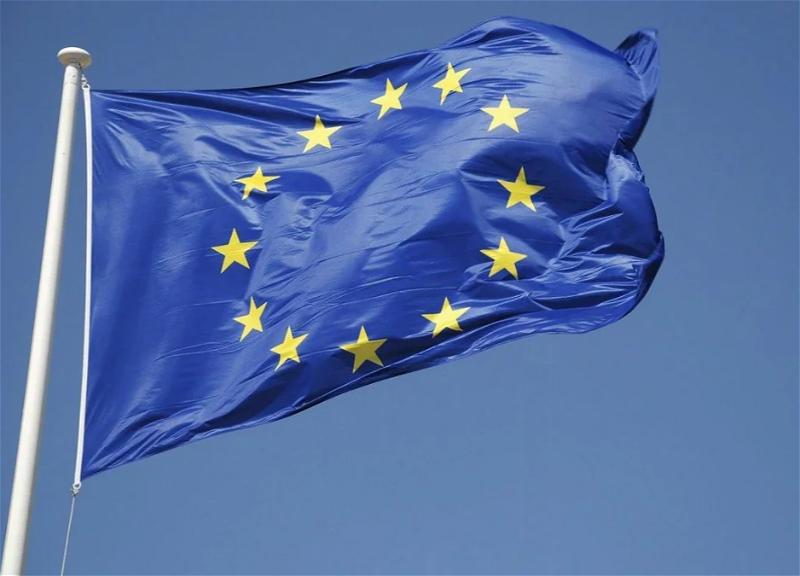
Foreign ministers of European Union countries will discuss at a July 13 meeting the progress in implementing the new EU strategy for the Black Sea region a year after its launch, focusing on security, transport connectivity, and cooperation with South Caucasus countries.
As Report reports, according to the agenda of the EU Council on Foreign Affairs, ministers will review the first results of the strategy's implementation and exchange views on further steps.
Brussels sees the Black Sea region as one of the key elements of European security, energy resilience, and trade connectivity against the backdrop of Russia's ongoing war against Ukraine.
The discussion is of particular interest to Azerbaijan, as the EU views the South Caucasus as an important link in the new system of transport and energy connectivity between Europe, the Caucasus, and Central Asia. The strategy pays special attention to the development of the Middle Corridor, which Europe considers one of the priority routes for diversifying trade and logistics.
The European Union also links the region's long-term stability to a final peaceful settlement between Azerbaijan and Armenia. In Brussels's assessment, concluding a peace agreement could open new opportunities for trade, investment, and the development of transport links in the South Caucasus.
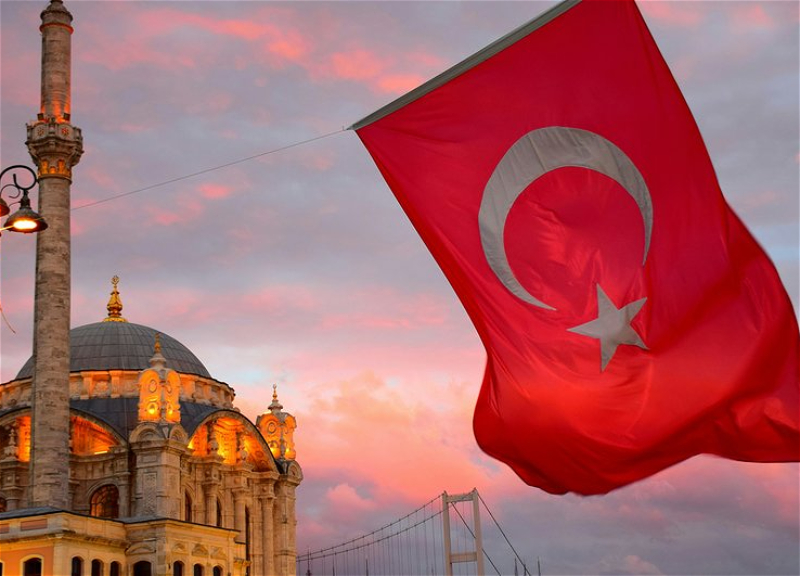
A special place in the strategy is given to Turkey, which the EU sees as one of the key players in the Black Sea region and an important partner in the areas of security, energy, and transport, despite ongoing disagreements on a number of foreign policy issues.
Ministers are expected to discuss not only the implementation of already proposed initiatives but also additional steps needed to turn the Black Sea strategy from a political concept into practical projects, including the development of transport links through the South Caucasus and strengthening regional stability.