Anar Guliyev: Today, master plans have been developed for 68 cities and towns out of 79 across Azerbaijan
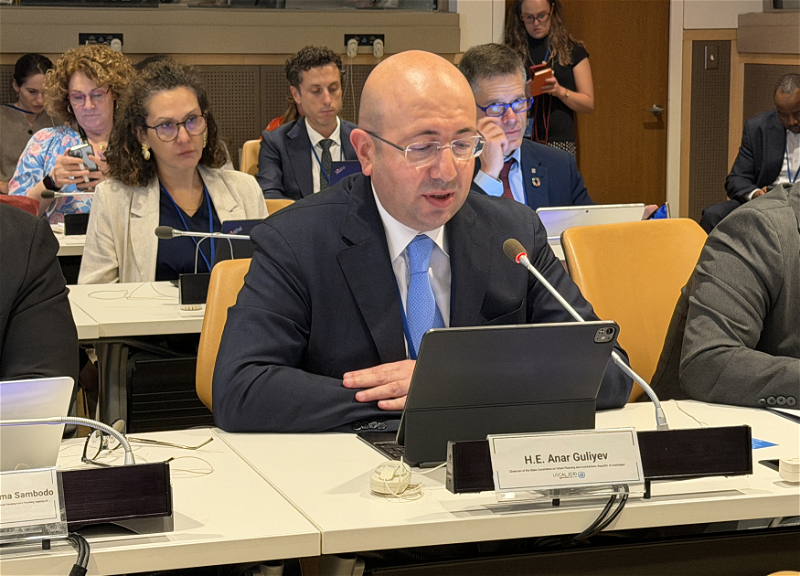
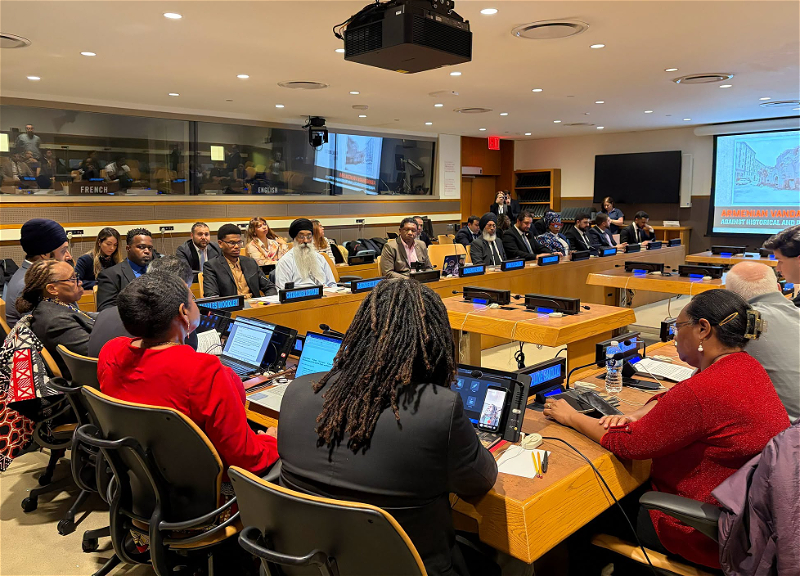
“Azerbaijan's experience proves that effective localization of the SDGs begins with a strong institutional foundation,” said Anar Guliyev, Azerbaijan’s Chairman of the State Committee on Urban Planning and Architecture, as he addressed the Local 2030 Coalition Special Event on the margins of the 2026 High-Level Political Forum.
“In 2016, by a Decree of the President of the Republic of Azerbaijan, the National Coordination Council on Sustainable Development was established as the national mechanism for coordinating the implementation of the 2030 Agenda. This institutional framework has enabled Azerbaijan to nationalize the SDGs through an inclusive consultation process involving public institutions, civil society, the business community, youth and international organizations,” he noted.
“As the State Committee on Urban Planning and Architecture, territorial planning is one of our main instruments for putting the localisation principle into practice. Today, master plans have been developed for 68 cities and towns out of 79 across the country,” the State Committee Chairman mentioned.
“Our master plans are developed within the national planning framework but implemented at the local level. This requires close collaboration with regional and local authorities throughout planning and implementation process. Such cooperation helps us to strengthen the capacities of local actors, improve coordination across levels of government,” Anar Guliyev emphasized.