Horse meat on our table: what does the law allow?
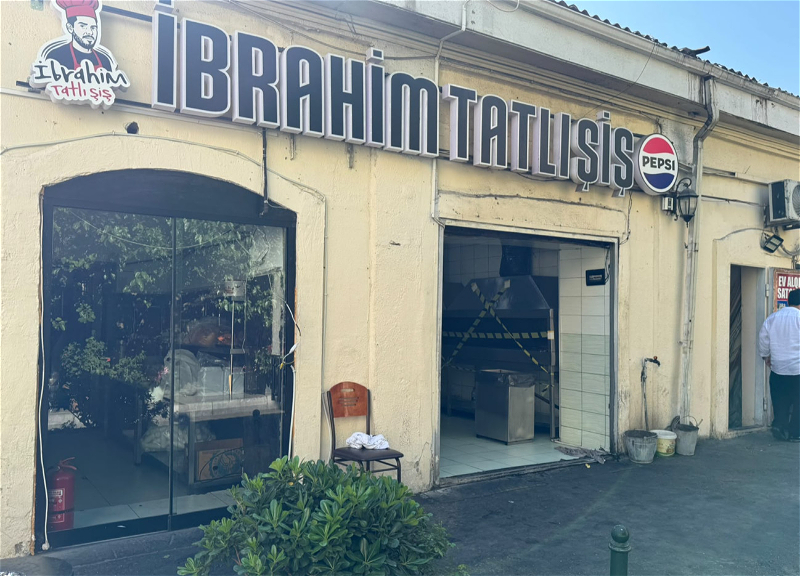
The results of an inspection carried out by the Food Safety Agency of Azerbaijan (AQTA) at the "İbrahim Tatlışiş" kebab house located in Baku's Nasimi district have once again raised the question of the use of horse meat in the public catering sector.
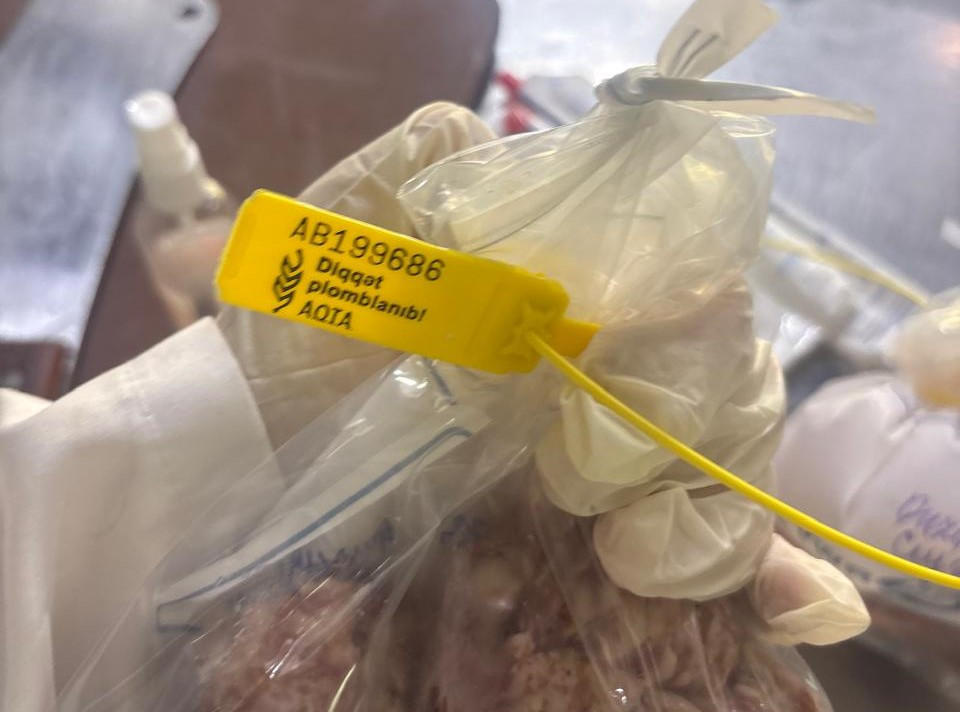
According to AQTA, the establishment did not present documents confirming the quality and safety of the ground meat being used, and a laboratory analysis of the samples taken revealed horse DNA in the meat. It was established that the enterprise does not apply a traceability system, and that a number of sanitary requirements had been violated. The establishment's operations have been restricted until the shortcomings are eliminated.
Particular attention is drawn to the fact that this is not the first such case at this establishment. The owner of the establishment had already been held liable for the detection of horse DNA in meat during an inspection conducted in May 2025.
This fact naturally raises broader questions. Are the sale and use of horse meat as a food product generally permitted under Azerbaijani law? If they are permitted, what rules regulate its circulation, sale, and serving in restaurants?
This is precisely where the essence of the problem lies. Horse meat is used as food in many countries around the world. However, when a consumer orders "beef" or "lamb" from the menu and is in fact served meat of another type, this becomes a matter not only of food safety but also of properly informing consumers, as well as of trust in restaurants.
Is the consumption of horse meat permitted in Azerbaijan, and how is the entire process regulated — from sale to serving in restaurants?
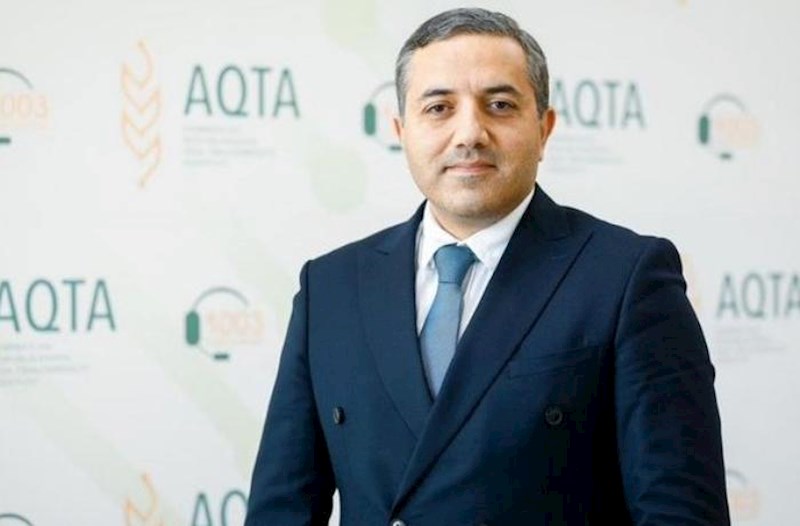
Answering questions from 1news.az, the head of the information support and innovative solutions department of the Food Safety Agency of Azerbaijan (AQTA), Ilkin Karimov, said that there is no direct ban in the country on the use of horse meat as a food product.
"Horse meat may be in circulation as a food product provided that it meets safety and quality requirements, has passed veterinary control, and its origin and safety are confirmed by documents. Public catering establishments must also use only those products of animal origin whose quality and origin are confirmed by the relevant documents. The use of meat without confirmation of its origin and safety, as well as presenting horse meat to the consumer under the guise of beef, lamb, or other meat, is unacceptable and is regarded as deception of the consumer."
How are inspections carried out?
I. Karimov noted that AQTA conducts scheduled and unscheduled control measures, monitoring, and raids:
"Studies are also conducted when complaints are received from consumers, and appropriate measures are taken in accordance with the requirements of the legislation. During control measures, product samples are taken and sent for testing to the laboratories of the Institute of Food Safety. Laboratory studies check the minimum quality and safety indicators of the products. Over 6 months of 2026, 30.7 tons of meat of unknown origin and unfit for consumption (including 432 kilograms of horse meat) were destroyed during raids."
Can horse meat be identified visually?
According to him, it is impossible to accurately determine whether meat belongs to one animal species or another solely by its appearance, color, or smell.
"It is especially difficult to determine this visually when the meat is sliced, ground into mince, or used as part of various products. To accurately determine the type of meat and confirm whether it is horse meat, laboratory studies must be conducted.
Consumers are advised to purchase meat and meat products at legally operating retail outlets and catering establishments, paying attention to the availability of documents confirming the origin of the products and to the labeling."
Violation of consumer rights
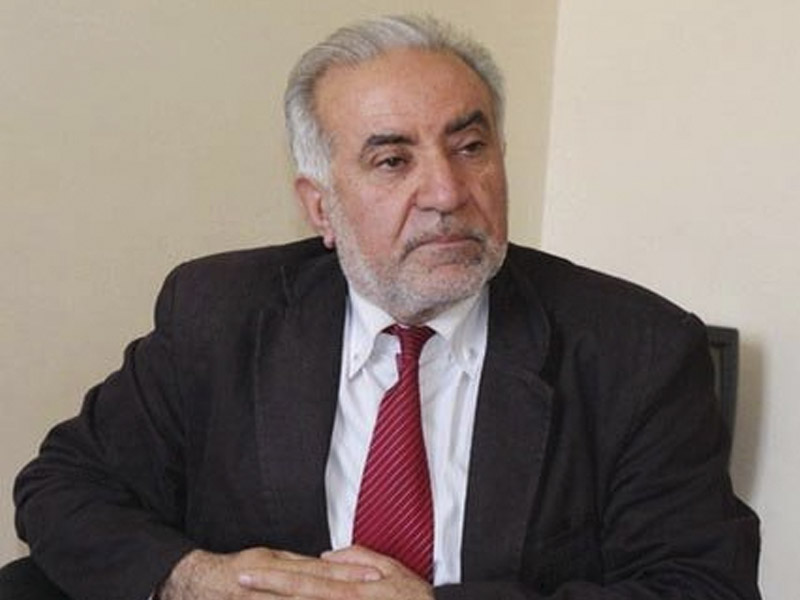
The head of the Free Consumers Union, Eyyub Huseynov, noted that in Azerbaijan there is no general ban on the sale of any meat, but the consumer must be provided with accurate information about the name and composition of the product being sold.
"Unfortunately, such cases do occur, and some business entities use these gaps to deceive consumers. According to the requirements of the legislation, in order to avoid deceiving the consumer, the name of the product must be indicated correctly. The consumer must be given accurate information about exactly what meat is being sold to them.
If the menu says beef, veal, etc., and the consumer is served meat of another type, this is a violation of their rights and deception. Such a fact entails legal liability, including administrative liability."
According to him, if a consumer believes that they have been served meat different from what was indicated on the menu, they should report it to the hotline of the relevant state bodies. At the same time, they should photograph the menu, keep a photo of the dish served, and gather other possible evidence to present to the state bodies in order to put a stop to such cases.
It is known that various problems have existed in this area for many years. State bodies conduct inspections and examinations and take measures against persons who commit violations. However, unfortunately, in some cases, after court proceedings, these persons escape liability. This has a negative effect on the effectiveness of the work carried out by state bodies.
"I believe that state bodies in this area should work more actively, and the question of granting them additional powers should be considered. For more effective protection of consumer rights, the existing mechanisms must be improved.
Unfortunately, there are also cases of abuse of the comfortable conditions created for some business entities. Especially in the restaurant sector, during periods when demand exceeds supply, problems with the quality of services manifest themselves more markedly. During the tourist season, such cases may become even more widespread. Such facts must be put an end to.
The law 'On the Protection of Consumer Rights' has been in effect for a long time. I believe it needs to be updated in accordance with modern requirements. At the same time, the state bodies monitoring the enforcement of the law should act more actively."
Afterword
Thus, the issue is broader than simply banning or permitting horse meat itself. In Azerbaijan there is no general ban on the use of horse meat as a food product. However, its origin, safety, and quality must be confirmed by documents, and the product itself must be served to the consumer exclusively under its own name.
The main problem arises precisely here: if one type of meat is indicated on the menu and another ends up on the plate, this is no longer just a matter of choosing food, but of deceiving the consumer. Moreover, the repeated detection of such facts raises more acutely the questions of the effectiveness of control mechanisms and of product traceability at public catering establishments.
For the consumer, the most important thing is the right to know what they are eating and to receive accurate information about the product being provided. Horse meat has a right to exist — but only on legal grounds, safely, and without being concealed from the customer.