Restrictions on women threaten Afghanistan's schools and hospitals
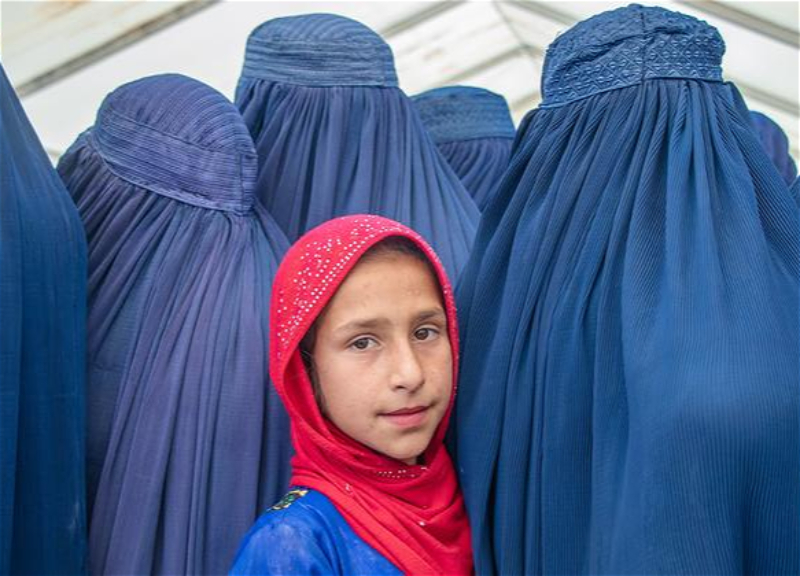
Ongoing restrictions on girls' education and women's participation in the workforce could lead Afghanistan to a severe staffing crisis by 2030.
This is highlighted in a new analytical report by UNICEF.
According to the organization's estimates, the country risks losing up to 20,000 female teachers and around 5,400 healthcare workers. Experts warn that the reduction in qualified professionals will negatively impact both the education system and healthcare services.
The study notes that the proportion of women in public service has decreased from 21% to 17.7% between 2023 and 2025. At the same time, these restrictions are already causing economic damage, with annual losses due to the exclusion of women from education and employment estimated at 84 million dollars.
Particular concern arises in the medical field, as in some regions, social norms prevent women from seeking care from male doctors. Therefore, the reduction in female healthcare workers directly limits access to medical assistance for mothers and children.
According to UNICEF, Afghanistan faces a dual challenge, as the country is losing current female professionals while simultaneously being deprived of a new generation of workers who could replace them.
Following the de facto ban on secondary education for girls introduced in September 2021, around one million schoolgirls have already had their education interrupted. If the restrictions persist until 2030, more than two million girls could be left without education after primary school.