Monuments damaged, but inspectors never arrived: AnewZ examines the years-long deadlock between Baku and UNESCO - VIDEO
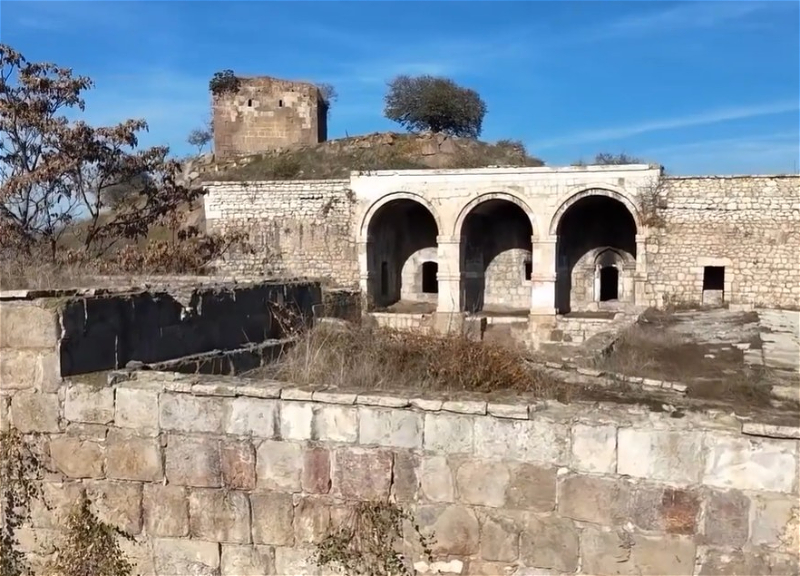
The AnewZ channel in its report raises a pressing question: "What happens when cultural heritage is destroyed, but international inspectors never arrive?"
The authors of the material recall that for many years Azerbaijan has called on UNESCO to examine damaged cultural monuments in territories that were under Armenian control, but no comprehensive mission was ever deployed. As the channel notes, attempts to send experts after the 2020 war also reached a deadlock, prompting questions about why international monitoring failed both before the hostilities began and after they ended.
Citing official Azerbaijani data, AnewZ points to the colossal scale of destruction, with some sites reduced to ruins and others stripped of stones, inscriptions, and artifacts. The journalists emphasize that Baku repeatedly requested an assessment mission, while "UNESCO stated that access required the consent of the interested parties." The result was the absence of inspectors, a full inventory, and an independent international assessment at the time. In addition, the report notes that claims of altered inscriptions on Caucasian Albanian monuments "remain disputed and unconfirmed by UNESCO."
The situation remained stalled even after the 2020 war, when the organization proposed sending an independent technical mission under the 1954 Hague Convention. The channel explains that Azerbaijan did not oppose the inspection but insisted on agreeing on the route, the list of sites, and terminology. In particular, "Baku objected to the name 'mission to Karabakh' and proposed the option 'mission to the Karabakh region of Azerbaijan,' but UNESCO did not accept this wording. This was compounded by disagreements over which Christian and Muslim monuments should be examined, preventing any agreement and leaving the mission blocked.
Over time, the dispute extended beyond the protection of monuments. AnewZ draws attention to accusations voiced by Azerbaijani officials and media outlets regarding political influence on the organization's technical decisions, restrictions on cooperation with Baku, and pressure within UNESCO structures. The authors of the report acknowledge that these are serious statements requiring documentary evidence and a detailed response from UNESCO itself and its former officials. Nevertheless, the channel states the obvious fact: trust between the parties has been completely undermined, and the dispute has shifted to the question of "who exactly determines the mission's mandate, selects the sites, and shapes the final report."
Summarizing UNESCO's experience in other conflict zones - from Mali to Ukraine - the channel poses three key questions: whether the organization used all available tools to gain access before 2020, whether the postwar conditions were broad enough to assess the damage, and why the parties have still not reached a common ground. Noting that the monuments are damaged and the inspectors never arrived, AnewZ concludes that "without an agreed international report, cultural heritage has become yet another front in the conflict."