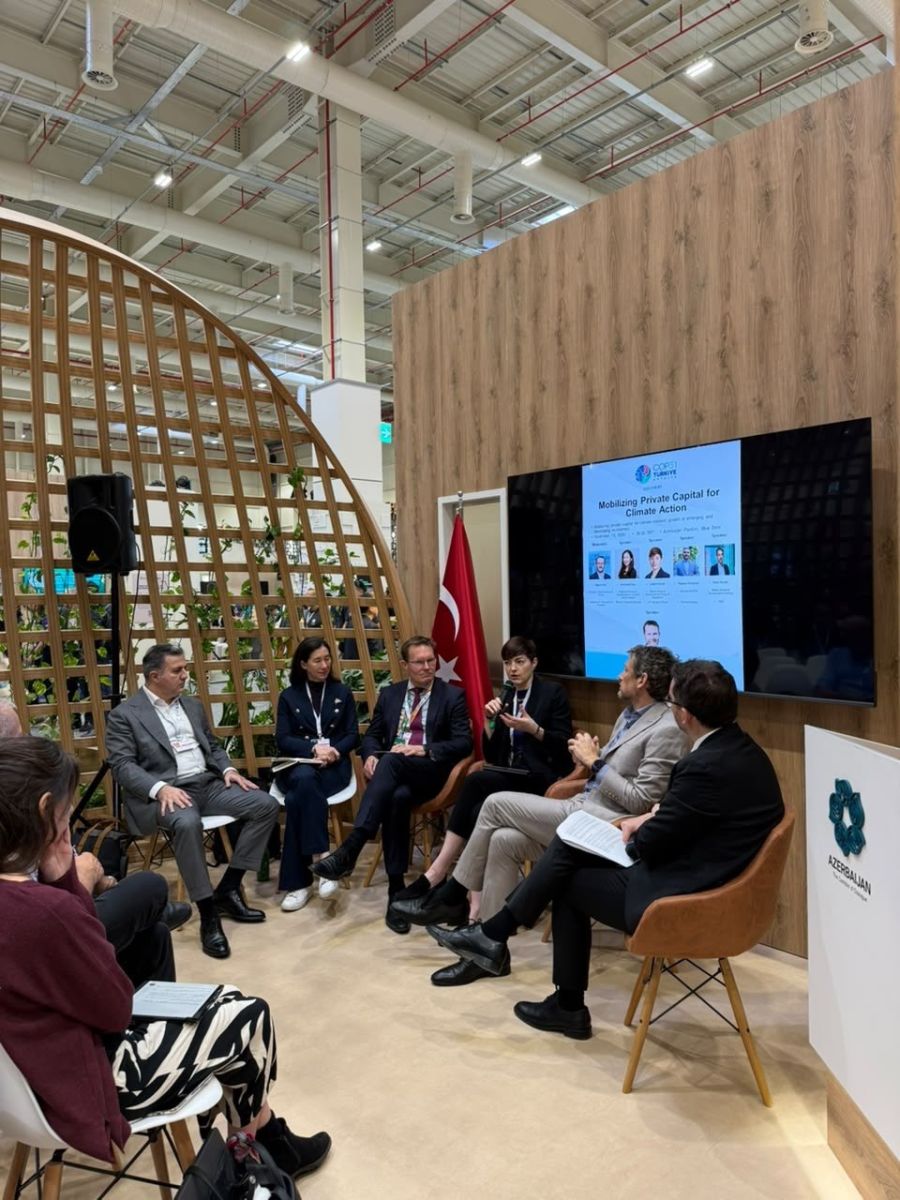
Why does PASHA Holding participate in COP? - PHOTO

Climate change is no longer solely an environmental issue. It has become one of the key factors shaping the future of the global economy, financial system, investment decisions and business models.
New approaches are emerging across a wide range of areas, from energy consumption and financial risk management to construction standards and capital allocation. These developments require businesses not only to adapt to existing challenges but also to become active participants in the economic transformation taking shape.
From this perspective, the COP platform represents much more than an opportunity for PASHA Holding to attend an international event. It provides a valuable opportunity to engage in discussions shaping the global economic and business agenda, learn from international experience and adapt relevant practices to the sectors in which the Holding operates.
PASHA Holding has been represented at the Conference of the Parties to the United Nations Framework Convention on Climate Change (COP) for the fourth consecutive year. The Holding was one of the main sponsors of COP29, hosted in Azerbaijan, participated in COP30 in Brazil, and this year is represented at COP31, taking place in Antalya, Türkiye, by PASHA Bank Azerbaijan and PASHA Real Estate Group.
But what is the practical significance of COP discussions for the business sectors in which PASHA Holding operates?
The Role of Banks in Financing the Green Transition
Climate change presents both new opportunities and new risks for the financial sector. Banks play a dual role in this process: on the one hand, they must manage the environmental and climate-related risks arising from their own operations; on the other, they are expected to finance the transition towards a low-carbon economy.
This issue is also of strategic importance for Azerbaijan's banking sector. Within the framework of COP29, the Azerbaijan Banks Association issued a statement on behalf of the country's banking sector in support of sustainable development. Under this commitment, Azerbaijani banks pledged to collectively allocate AZN 2 billion by 2030 to finance green and sustainable projects that will contribute to the country's transition towards a low-carbon and climate-resilient economy.
This commitment extends the role of banks well beyond traditional lending. It places greater emphasis on considering not only the economic viability of projects but also their environmental impact, energy efficiency and resilience to climate-related risks when making financing decisions.
The Central Bank of Azerbaijan's Sustainable Finance Roadmap for 2023-2026, together with its guidelines on environmental risk management in banks, also contributes to establishing the institutional framework needed to advance this agenda.
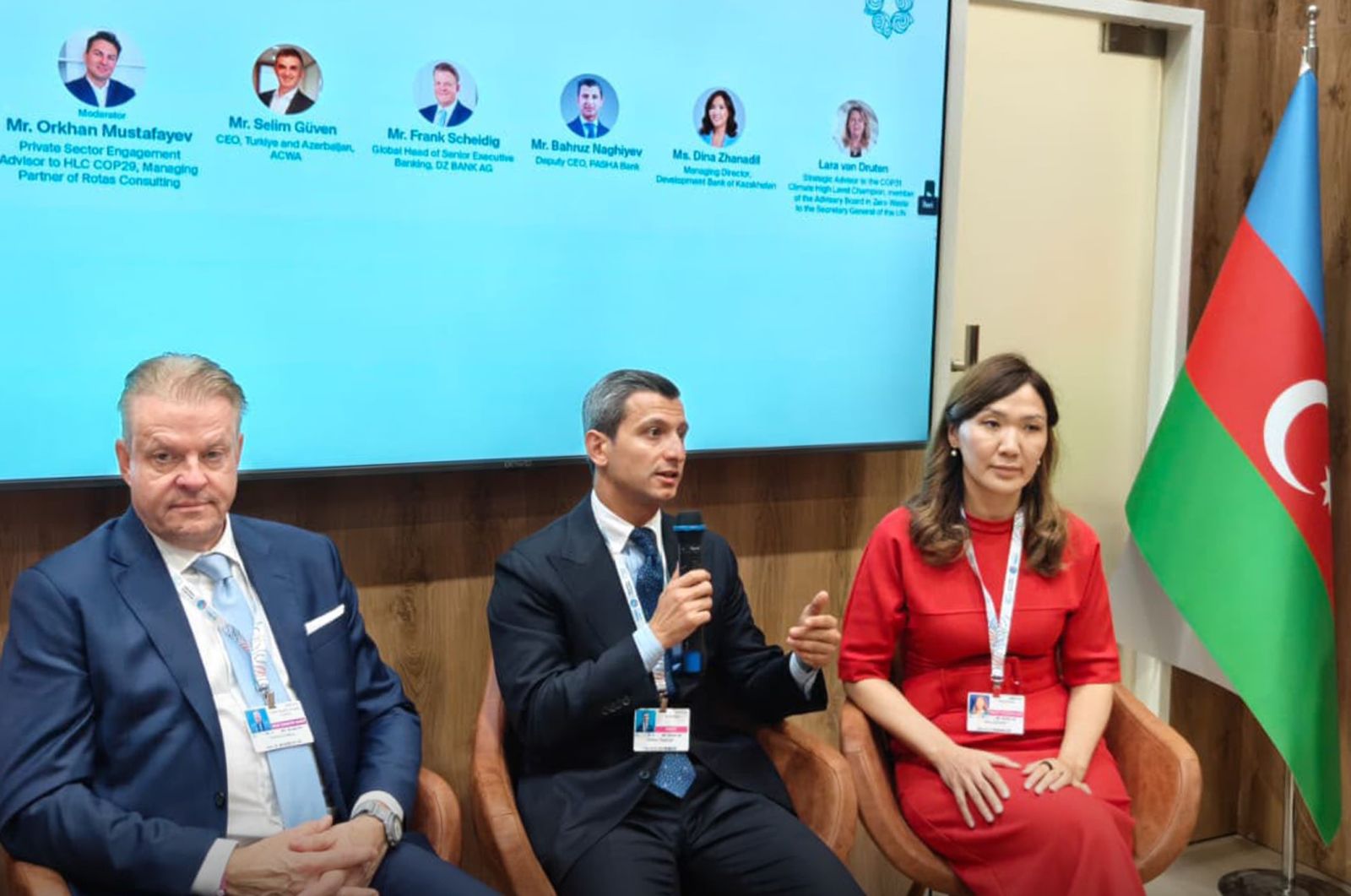
In this context, PASHA Bank's participation in COP31 is particularly significant. Bahruz Nagiyev, Deputy CEO of PASHA Bank, took part in a panel discussion at the Azerbaijan Pavilion entitled "From Climate Commitments to Competitive and Investment-Ready Projects". He spoke about the role of financial institutions in translating climate targets into tangible investment projects, opportunities for financing green initiatives, and the importance of involving banks in projects from their earliest stages.
Early engagement by financial institutions is essential to turning climate ambitions into concrete investment projects. This approach enables projects to be properly structured from a financial perspective, potential risks to be assessed in advance, and investment opportunities to be expanded.
Parvin Ahadzada, Member of the Executive Board and Chief Risk Officer of PASHA Bank, also shared her views on the impact of climate risks on the banking sector, as well as the importance of assessing and effectively managing these risks, in an interview with Aslan Ibrahimov, a representative of Deloitte Azerbaijan, held within the framework of COP31.
These discussions further demonstrate that the climate agenda for banks extends far beyond the development of new financial products. Assessing the potential impact of climate risks on loan portfolios, asset values and financial stability is also becoming an increasingly important aspect of modern banking.
Green Standards in Construction, Real Estate and Hospitality
Construction, real estate, hospitality and tourism are among the important areas of the climate agenda. The construction and operation of buildings have a significant environmental footprint in terms of energy consumption, carbon emissions, water use and waste management.
As a result, the performance of modern real estate developments is no longer measured solely by architectural design, location and commercial returns. Energy efficiency, the use of environmentally friendly materials, effective water management, green infrastructure and the long-term operating costs of buildings are also becoming important components of investment decisions.
International certification systems such as LEED, BREEAM and EDGE play an important role in assessing the environmental performance and energy efficiency of real estate projects. Compliance with these standards enhances the international competitiveness of projects and increases their long-term value for both investors and end users.
These principles are particularly relevant to PASHA Real Estate, the company within PASHA Holding responsible for its real estate operations. Its projects incorporate principles of energy efficiency, smart technologies, environmentally responsible infrastructure and long-term sustainability.
One tangible achievement in this area is the Green Key environmental certification obtained between 2024 and 2026 by hotels owned and managed by PASHA Real Estate. The hotels receiving this certification include JW Marriott Absheron Baku, The Ritz-Carlton Baku, Baku Marriott Hotel Boulevard, Courtyard by Marriott Baku, The Merchant Baku, Sheraton Baku Intourist, Four Seasons Hotel Baku, Boutique 19, Art Gallery Hotel Baku, Pik Palace Autograph Collection, Allium Bodrum Hotel and Shusha Hotel. The certification process was carried out by SGS.
The Green Key international eco-label assesses hotels against a range of sustainability criteria, including energy and water consumption, waste management, environmental management and other related practices. Obtaining the certification is only part of the process; maintaining it through regular audits is equally important. This demonstrates that sustainability is not a one-off initiative but an ongoing management process.
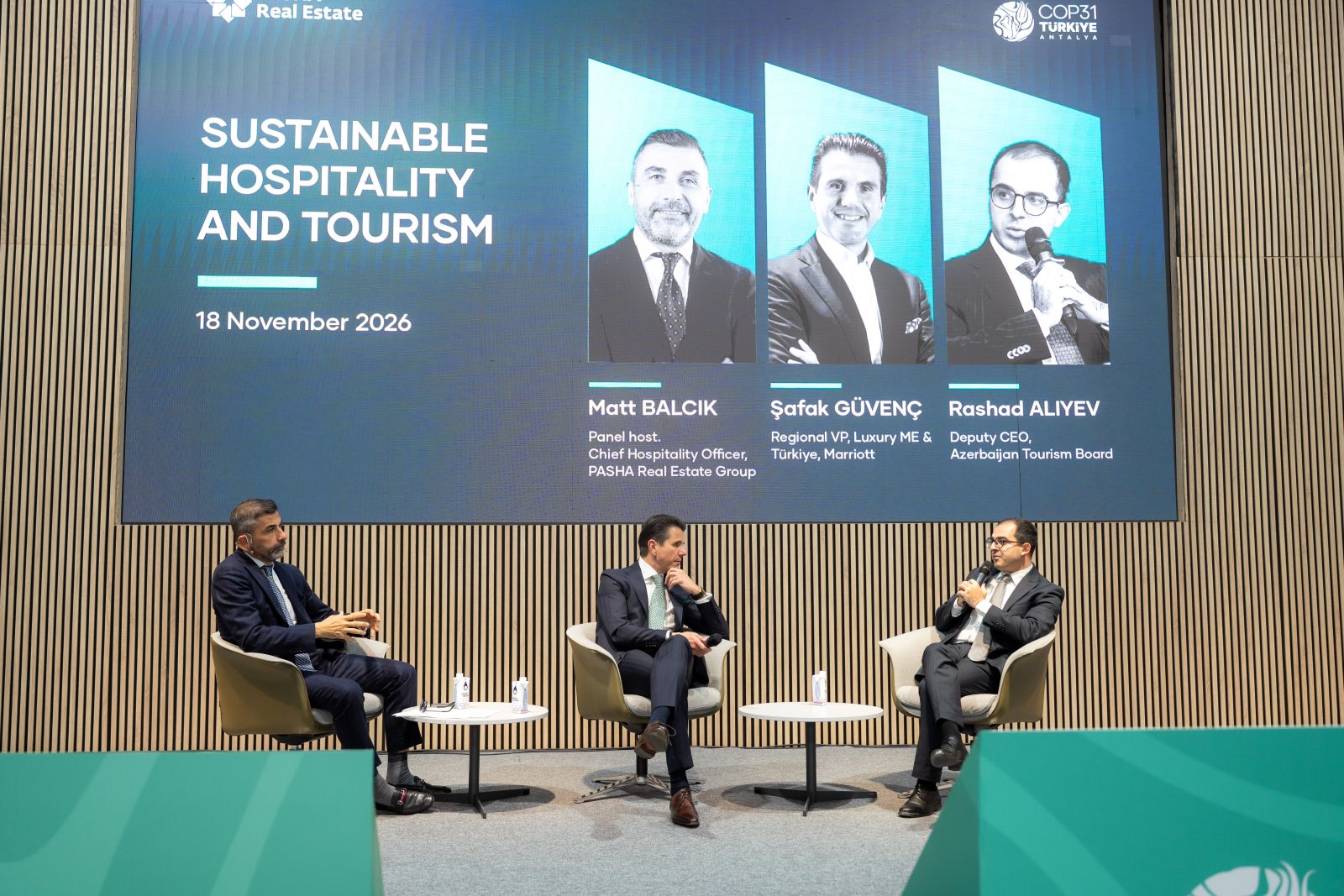
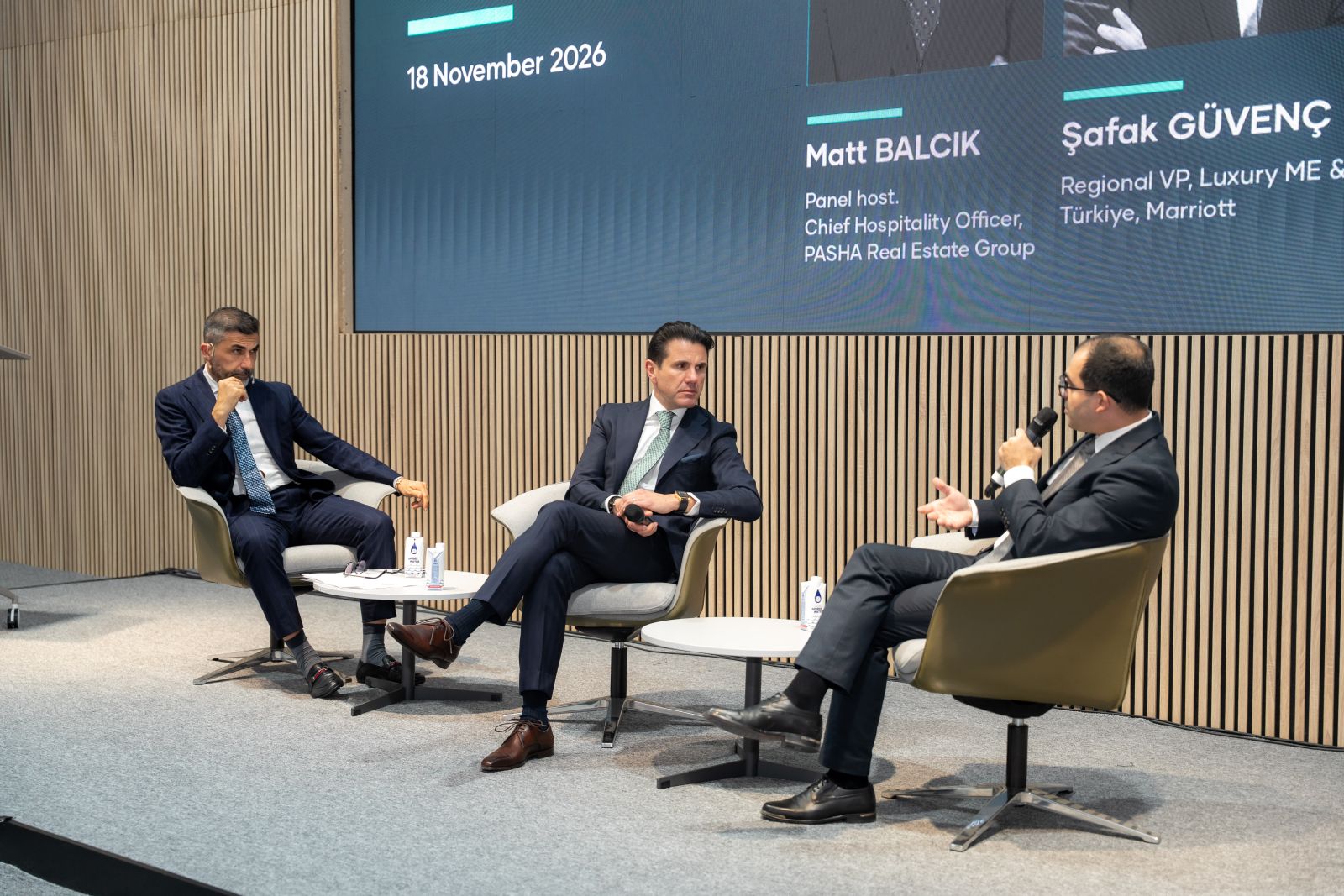
At COP31, PASHA Real Estate also brought these issues to a dedicated discussion platform. The panel discussion organized by the company, entitled "Sustainable Hospitality and Tourism", explored the role of the hospitality and tourism sectors in strengthening climate resilience, promoting responsible development and implementing green standards.
The discussion was moderated by Matt Balcik, Chief Executive Officer of Hospitality at PASHA Real Estate. Participants included Rashad Aliyev, Deputy Chief Executive Officer of the Azerbaijan Tourism Board, and Shafak Guvenc, Regional Vice President for Luxury, Middle East, Qatar, Kuwait and Türkiye at Marriott International.
The panel focused on the implementation of environmental standards in the hospitality sector, the climate resilience of tourism infrastructure and the development of responsible tourism practices.
These discussions highlight that the green transition extends well beyond the construction phase. It encompasses the entire lifecycle of buildings and hotels, their day-to-day operations, resource consumption and the customer experience. As a result, sustainability is becoming an important driver of both operational efficiency and long-term competitiveness in the real estate and hospitality sectors.
How Can Private Capital Accelerate the Green Transition?
While the efforts of governments and international financial institutions are essential to achieving climate targets, the transition cannot be delivered at the scale required without the involvement of private capital.
The energy transition, sustainable infrastructure development, industrial modernisation and climate adaptation all require substantial long-term investment. For this reason, mobilising private capital, sharing investment risks and turning projects into commercially viable, financeable business models are among the key topics discussed on the COP platform.
In this context, Teymur Huseynov, Adviser to the CEO of PASHA Holding, participated in a panel discussion featuring representatives of Boston Consulting Group (BCG), JPMorgan Chase, Moody's and other leading international companies. The discussion focused on the role of private capital in financing the green transition, covering the effective allocation of capital, investment opportunities and financial mechanisms for the transition to a green economy.
The significance of these discussions lies in the fact that sustainable development is no longer simply a matter of corporate social responsibility or reputation. It is directly linked to investment portfolio development, the identification of new market opportunities and the creation of long-term business value.
What Does COP Mean for PASHA Holding?
PASHA Holding's participation in the COP platform is important in terms of gaining insights into international practices across different business sectors, strengthening dialogue with international partners and integrating sustainable development principles into its business strategy.
Aytaj Mukhtarzade, Group Director of PR and Communications at PASHA Holding, explains this approach:
"For us, COP is much more than an international event. Climate change and sustainable development are issues that remain firmly on our agenda across various areas of our business. The main value of this platform lies in the opportunity to follow global discussions closely, learn about initiatives being implemented by different countries and companies, exchange experience and adapt the approaches most relevant to us to our own operations. At the same time, as part of the international business community, we believe it is important to contribute to these discussions by sharing our own experience. Understanding developments in the climate agenda and preparing for them in a timely manner are essential to ensuring the long-term resilience of our business."
For PASHA Holding, sustainability is a long-term approach that connects its diverse business activities. Operating across sectors ranging from banking, construction and real estate to hospitality and investment, the Holding views the climate agenda not only through the lens of effective risk assessment and the identification of new investment opportunities, but also in terms of contributing to a more sustainable economic and social environment for future generations.
Ultimately, the purpose of participating in COP is not simply to follow global climate discussions, but to understand how these developments affect business, draw on international experience and play an active role in shaping a more sustainable economic future.