Financial Times: Azerbaijan is becoming one of the "mini-middle powers" of global politics
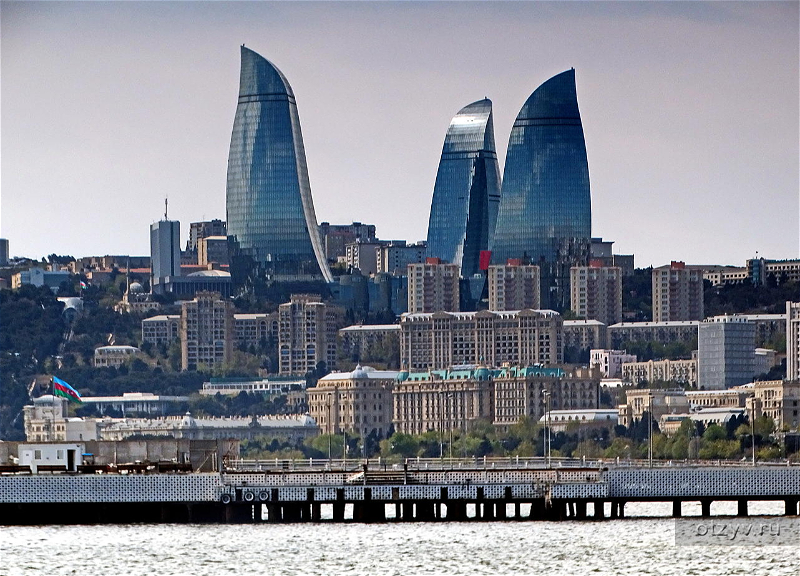
Azerbaijan, Kazakhstan, and Uzbekistan wield increasingly noticeable influence thanks to their geographic location, energy resources, and role in international transportation routes. This is what the Financial Times writes, suggesting that attention be paid to a new category of states — the so-called "mini-middle powers."
As the publication notes, the role of "middle powers" — countries such as Canada, India, Brazil, South Africa, and Mexico, which are capable of forming coalitions and influencing the international agenda — has been actively discussed lately.
However, there are also states that cannot determine the global rules of the game but possess serious levers of influence in particular spheres — energy, transportation corridors, regional security, diplomatic mediation, finance, technology, or by virtue of their strategic geographic location.
The Financial Times places Azerbaijan, Kazakhstan, and Uzbekistan, in particular, among such countries.
Energy and transportation strengthen Azerbaijan's position
According to the FT's assessment, Azerbaijan possesses significant influence thanks to its energy exports, its location along East-West trade routes, as well as its role in the politics and security of the South Caucasus.
Kazakhstan is given additional weight by its oil and uranium resources and its location between Russia and China. Uzbekistan, in turn, is strengthening its position thanks to its population and central location in Central Asia.
The Financial Times names the Middle Corridor, linking Asia and Europe, as one of the most telling examples of these states' growing significance.
Azerbaijan and Kazakhstan play a central role in this route, while Uzbekistan is consistently expanding its ties with the transportation corridor.
Despite the fact that the Middle Corridor is still more complicated than the northern route through Russia, it provides governments and businesses with an alternative path for transporting cargo.
In addition, Azerbaijan, Kazakhstan, and Uzbekistan are developing the Caspian Green Energy Corridor project, which in the future could make it possible to transport electricity from renewable sources in Central Asia through Azerbaijan and then connect with the planned energy cable along the bottom of the Black Sea in the direction of Europe.
Baku retains room to maneuver
The Financial Times points out that the situation in the South Caucasus and Central Asia is too often viewed exclusively as a rivalry between Russia, China, and the West.
However, such an approach, in the publication's opinion, does not fully reflect the foreign policy of the region's countries.
Azerbaijan, Kazakhstan, and Uzbekistan strive to maintain relations simultaneously with Russia, China, Turkey, the European Union, and the United States, avoiding rigid attachment to a single geopolitical center and preserving room for independent maneuver.
As an example of Baku's independent stance, the FT cites Azerbaijan's reaction following the Azerbaijan Airlines plane crash in December 2024.
The publication notes that, despite the considerable difference in the political weight of the two states, Baku took a tough position and demanded that Moscow acknowledge responsibility, punish those guilty, and pay compensation, while at the same time not destroying relations with Russia.
The significance of such countries will grow
According to the Financial Times' assessment, the influence of "mini-middle powers" grows especially when larger states need the resources, transportation routes, or diplomatic opportunities they control.
For Azerbaijan, the significance of oil and gas increases during periods when consumers are seeking alternative sources of supply. Similarly, the significance of the Middle Corridor has grown against the backdrop of problems with traditional routes through Russia.
Such states will not independently determine the structure of the future world order, the FT concludes. However, major powers seeking to influence that order will increasingly need their transportation routes, resources, and political cooperation.
Source: Financial Times “Don’t dismiss the mini-middle powers”.