Bishkek versus "Yerablur": peace against revanchism
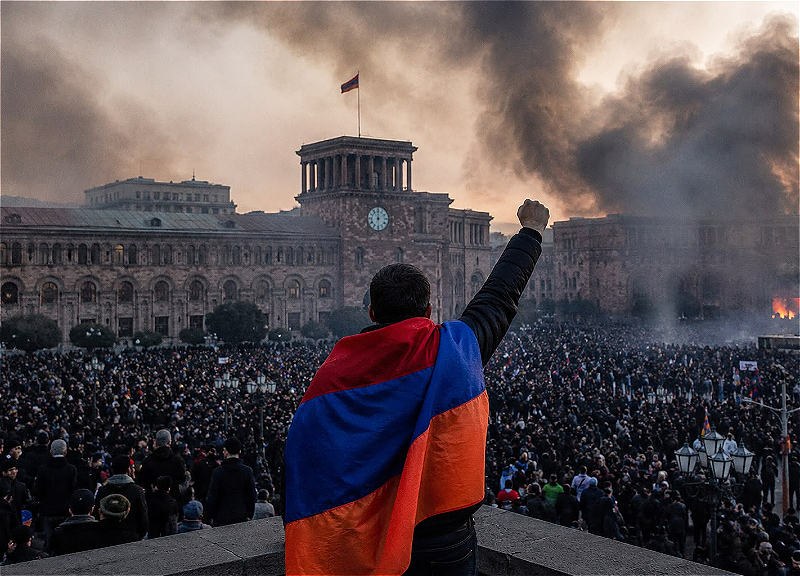
Against the backdrop of Yerevan's official course toward establishing peace with Azerbaijan, the position of forces that continue to try to use the Karabakh topic for revanchist purposes is especially noticeable.
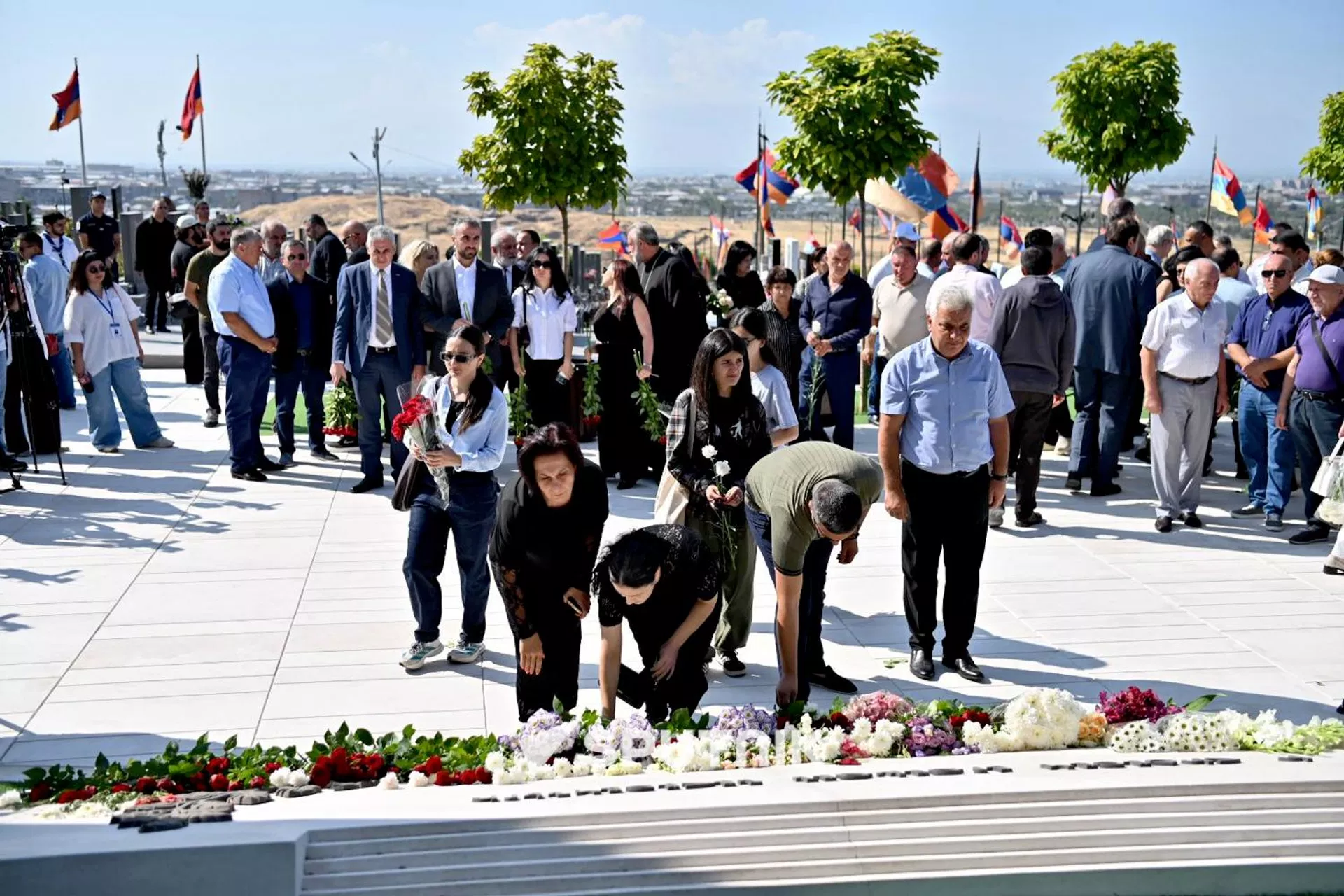
It is precisely this contrast that marks the current September 2. In Yerevan, representatives of the "political elite" of the former Armenian separatist entity in Karabakh and of the Armenian parliamentary opposition gathered at the "Yerablur" military pantheon to mark the anniversary of the 1991 proclamation of the unrecognized "Nagorno-Karabakh republic."
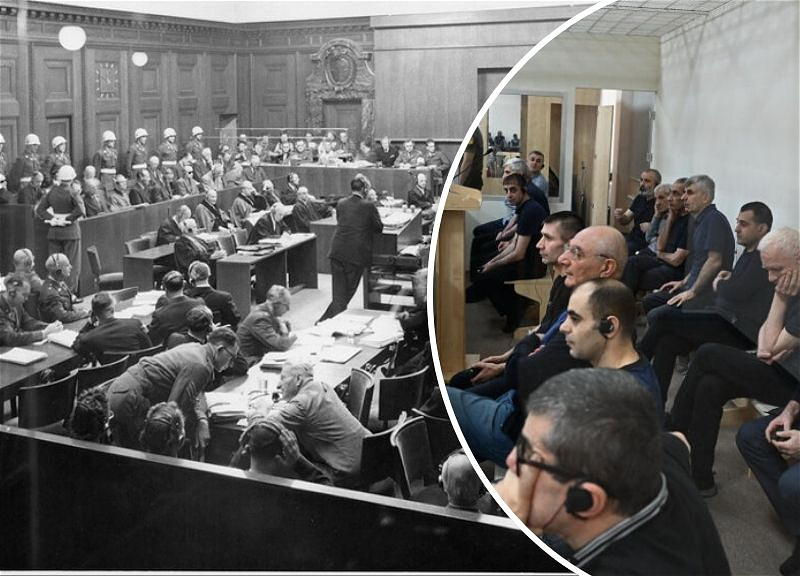
The event was attended by representatives of the former "parliament" of Karabakh, the "state minister" of that structure, and representatives of the opposition factions of the Armenian parliament, "Armenia" and "Strong Armenia." In their rhetoric, September 2 is still linked to the idea of "self-determination," and the Karabakh issue is declared unclosed. At the same time, demands are voiced for the return of Armenians to Karabakh and for the release of persons of Armenian nationality convicted in Azerbaijan for committing crimes against humanity, war crimes, and other grave crimes.
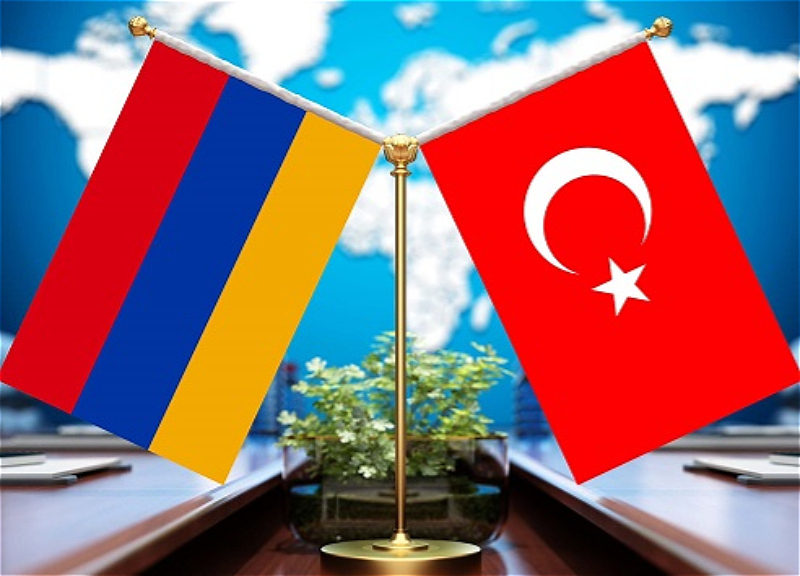
The significance of this action is determined above all by its timing. Just a day before it, on September 1, a meeting between Azerbaijani President Ilham Aliyev and Armenian Prime Minister Nikol Pashinyan took place in Bishkek. The parties discussed the development of trade, transit, energy cooperation, border delimitation, and the implementation of the TRIPP project. Among the concrete results of the peace process were the deliveries of Azerbaijani petroleum products to Armenia, the transit of grain and other goods through the territory of Azerbaijan, as well as the development of contacts between the business circles of the two countries.
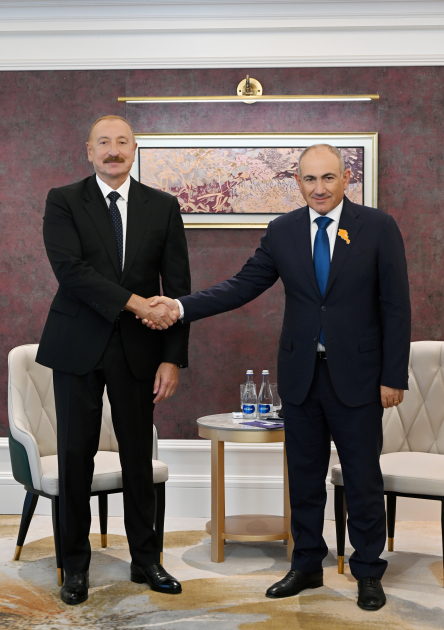
In other words, while official Baku and Yerevan are already discussing the practical content of peaceful relations, part of the Armenian political field is trying to keep society within the framework of the previous conflict agenda.
From "Artsakh" to revanchism
After Azerbaijan restored state sovereignty over its territory in September 2023, the former separatist structure in Karabakh ceased to exist as an actual authority. It is impossible to turn history back with political statements alone.
It is especially important that Armenia itself is officially moving in the opposite direction. On August 8, 2025, in Washington, President Ilham Aliyev and Nikol Pashinyan signed a Joint Declaration, confirming the principles of sovereignty, territorial integrity, and the inviolability of international borders, and also recording the renunciation of any attempts at revanchism.
Therefore, the current revanchist statements should be regarded precisely as the position of individual political forces, and not as the course of official Yerevan. Their goal is to preserve the Karabakh topic as an instrument of internal mobilization against the current authorities, even at a time when relations between the two countries are gradually moving into the practical plane.
Bishkek versus "Yerablur"
The meeting between Ilham Aliyev and Nikol Pashinyan showed how much the agenda has changed. The leaders of the two countries spoke about goods, routes, the border, energy, and economic contacts.
This is a fundamental change. The more practical ties arise between states, the less space remains for the politics of conflict. That is precisely why transport projects have significance far beyond economics.
The TRIPP project is intended to provide transport connectivity between the main part of Azerbaijan and Nakhchivan through the territory of Armenia on the basis of the principles enshrined in the Washington Declaration. It fits into a broader system of regional communications and is capable of strengthening the economic interdependence of the states of the South Caucasus.
Against this backdrop, attempts to once again make "Artsakh" the center of the political agenda look like an attempt to halt a process that has already acquired practical content.
Who is hindered by peace
For a certain part of the Armenian opposition, the Karabakh topic remains a convenient instrument of political struggle. The image of "lost Artsakh" makes it possible to sustain a sense of grievance, to shape the image of an enemy, and to promise revenge.
However, such a policy runs counter to the interests of Armenia itself. The country gains the opportunity to open communications, expand trade with its neighbors, attract investment, and use its geographical position as an economic advantage. A return to territorial rhetoric, on the other hand, can only complicate these processes.
For Azerbaijan, the issue of territorial integrity is closed. After restoring sovereignty, Baku focused on the reconstruction of Karabakh and East Zangezur, the return of former internally displaced persons, and the development of infrastructure. President Ilham Aliyev previously formulated his attitude toward the post-conflict period with the words: "We demand justice, not revenge." Herein lies the fundamental difference between Baku's course and the revanchist logic of Armenian marginals. Azerbaijan associates the post-conflict period not with putting forward new demands, but with reconstruction and development.
A choice between the past and the future
Today, two different political lines exist in Armenian society. While official Yerevan is betting on the normalization of relations, trade, and the opening of communications, part of the opposition field is trying to preserve the Karabakh topic as an unfinished conflict. It is precisely here that the main watershed lies. Memory of the fallen is one thing; the use of that memory to justify new territorial claims is quite another. The first is natural for any society; the second is capable of once again turning the past into a source of political tension.
The South Caucasus is already changing. Transport, energy, trade, and interdependence are gradually moving to the center of the regional agenda. Against this backdrop, attempts to resuscitate the separatist project are incapable of changing the existing reality, but they can slow down forward movement.
September 2 therefore became a peculiar clash of two approaches. One is connected with consolidating peace and creating new economic ties. The other is trying to bring back into political life an idea that has already led the region to war.
For the South Caucasus, the choice is obvious: the future cannot be built on the promise of revenge. Peace becomes durable when the past ceases to be grounds for a new conflict.