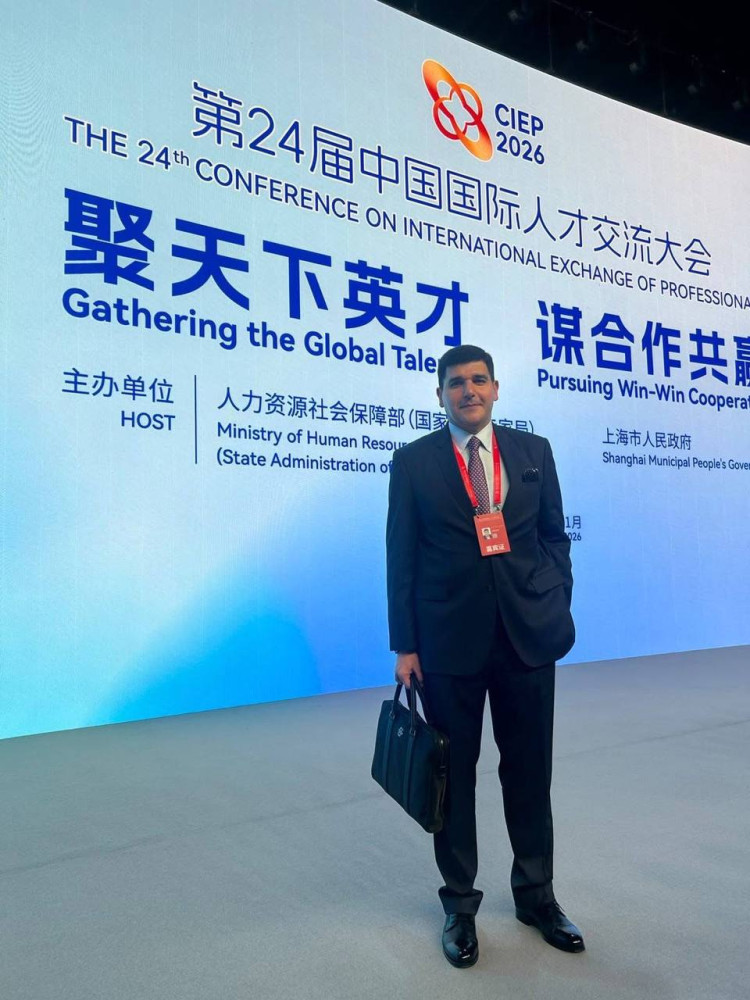
Mammadov: South Caucasus is a region only in the geographical sense

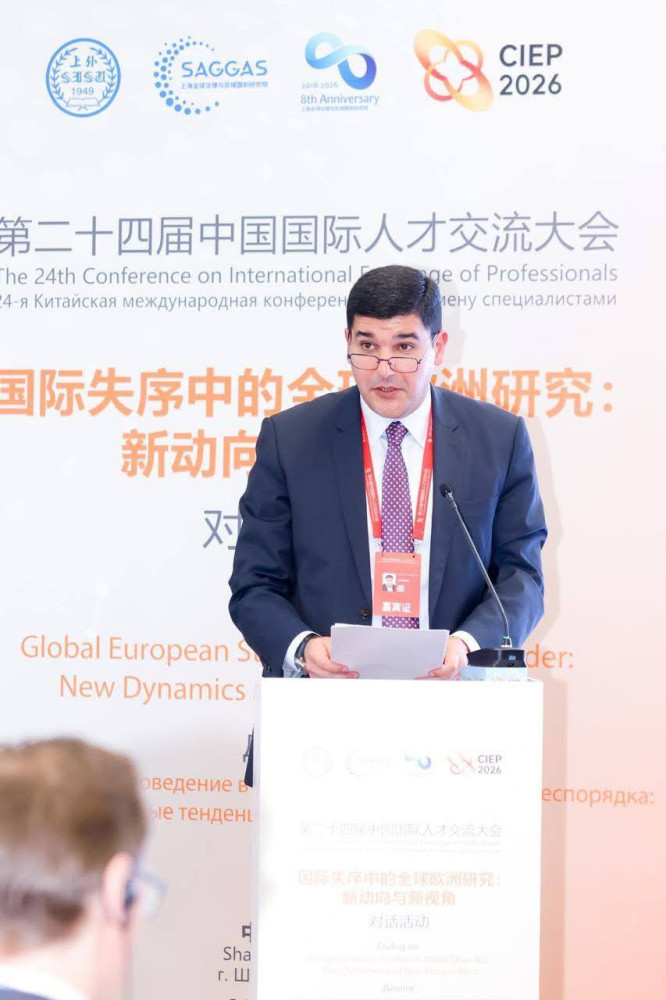
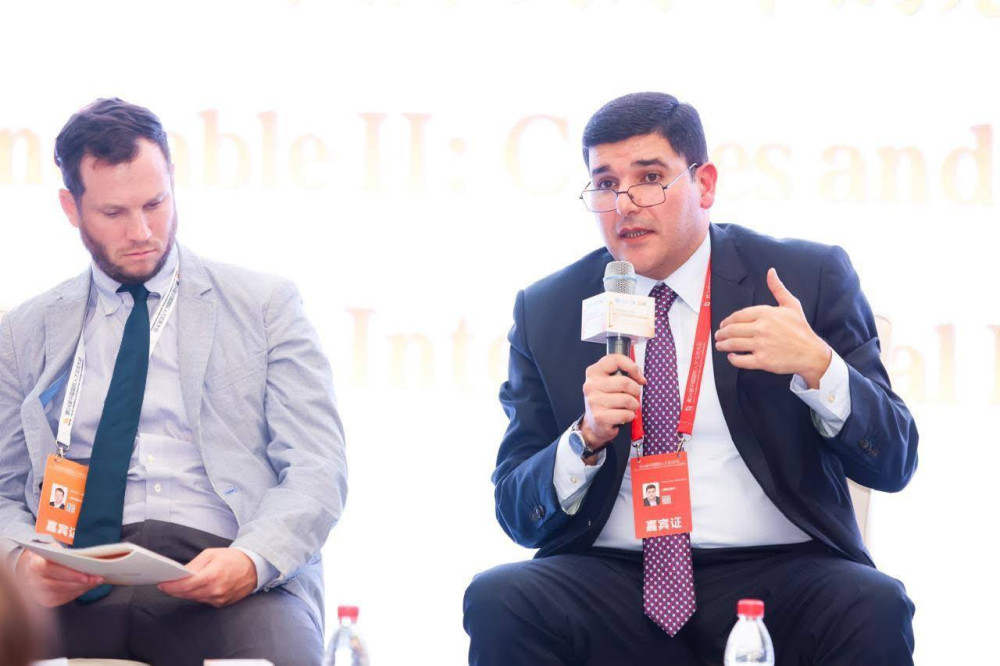
The South Caucasus is a region only in the geographical sense, and its three countries have adopted different priorities and integration paths, Farhad Mammadov, deputy chairman of the Center of Analysis of International Relations (AIR Center), said at a conference in Shanghai.
Armenia and Georgia have pursued integration with different blocs and unions, while Azerbaijan has chosen non-alignment with military blocs and customs unions and gives priority to bilateral and trilateral arrangements, he said.
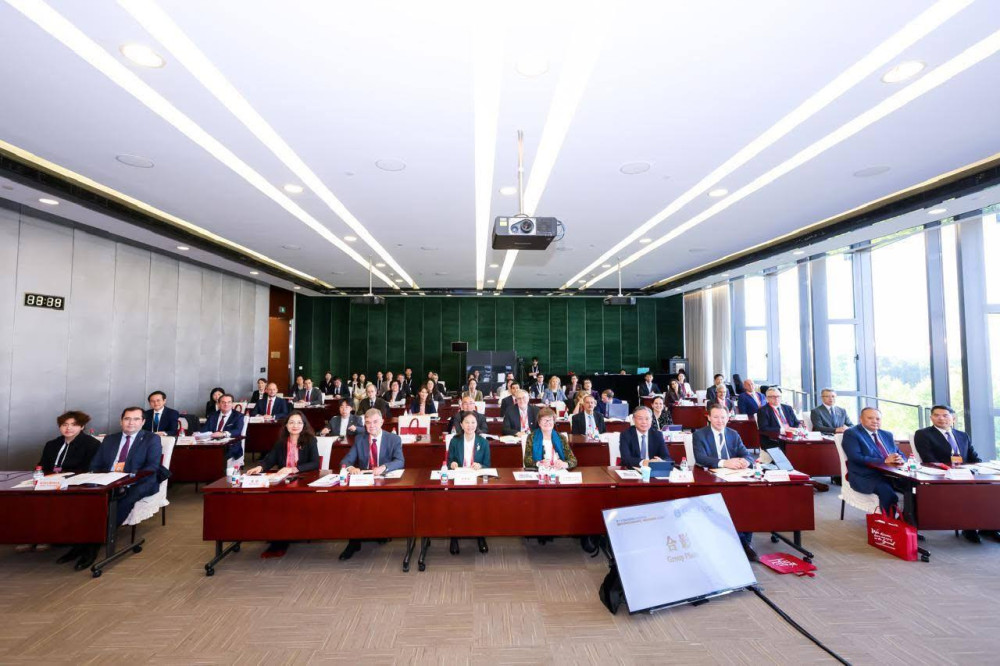
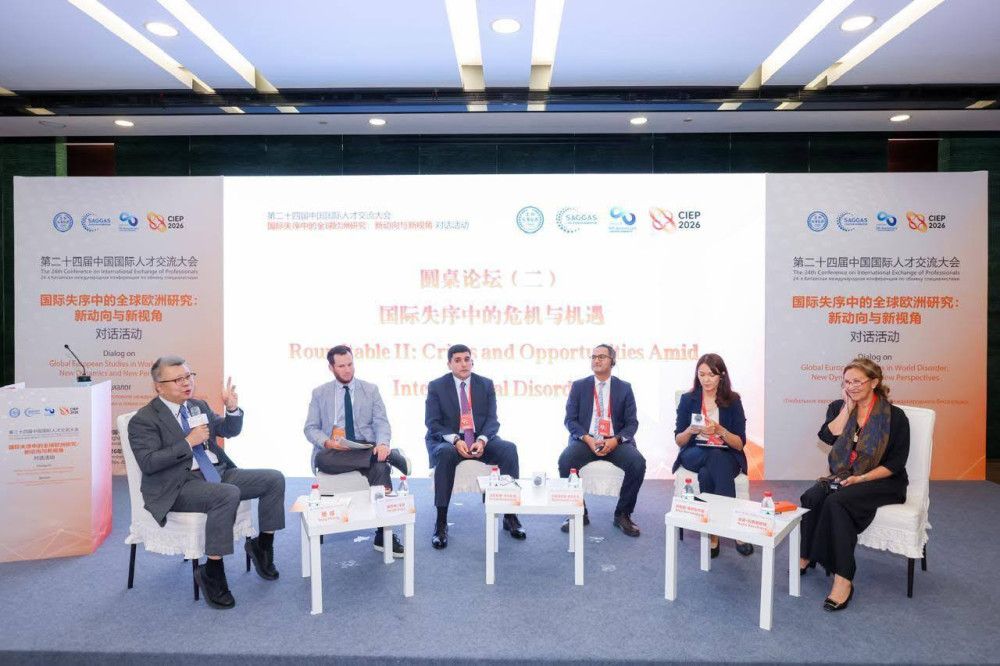
Mammadov spoke at the 24th International Exchange of Professionals (CIEP), organized by the Ministry of Human Resources and Social Security of the People's Republic of China and the Shanghai Academy of Global Governance and Area Studies (SAGGAS) at Shanghai International Studies University, the AIR Center said. The conference was held under the theme "Global European Studies in World Disorder - New Dynamics and New Perspectives" and was devoted to Europe's development trajectories and opportunities for Europe-Asia cooperation.
His speech dealt with the role of small and middle powers amid international disorder. The world is moving from an international order towards disorder as institutions created after the Second World War, above all the United Nations, weaken and become less effective in upholding international rules, norms and cooperation between states, he said.
Azerbaijan experienced the deterioration of international organizations first-hand in the early 1990s, when Armenia occupied 20% of its territory, according to Mammadov. Four UN Security Council resolutions failed to provide a basis for a diplomatic settlement, and the OSCE did not fulfill its mandate to resolve the conflict.
It was only in 2020 and 2023 that Azerbaijan restored its territorial integrity and sovereignty by military means, he said. Azerbaijan may therefore have been among the first to recognize the limits of ineffective international institutions that fail to meet the expectations of smaller states.
A trend towards regionalization is gathering strength across Eurasia, together with interest-based arrangements and pragmatic approaches to pressing challenges, Mammadov said. Powers once delegated to integration organizations and unions are returning to sovereign states.
Uncertainty and unpredictability are pushing small and middle powers to look for partners with whom they share common ground, and security needs, geographical proximity and historical and civilizational ties are becoming more important, he said.
Azerbaijan works with a broad range of external actors, Mammadov said. Geographically it belongs to Europe; in religious and cultural terms it is part of the Islamic world stretching from Indonesia to Morocco; its Turkic identity makes it a bridge between Central Asia and Turkiye; and historically it has been linked to the Middle East, Central Asia and, for the past 200 years, Russia.
That diversity is reflected in the formats in which the country takes part, he said. Azerbaijan has chaired the Organization of Turkic States and chairs CICA. In 2028 it will chair the Commonwealth of Independent States and host a European Political Community summit. It will also chair the Central Asian consultative meetings format and host a summit of leaders of the Organization of Islamic Cooperation.
Competition among external actors cannot be eliminated, but it can be prevented from escalating into open conflict, Mammadov said. That would allow regional countries to break out of the cycle of conflict, avoid becoming objects of externally driven conflict management and pursue policies consistent with their own national interests.