Future of the Caspian Sea: ecologist assessed risks of changes to Baku's coastline
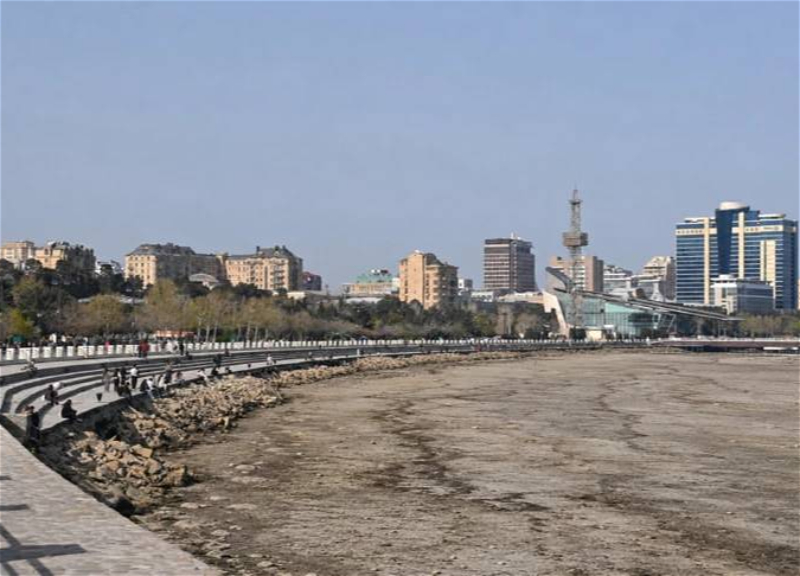
New forecasts regarding the future of the Caspian Sea suggest that by the end of the 21st century its level could drop by 9–18 meters. The coastline in the north and east of the basin could recede by hundreds of kilometers, and the Kara-Bogaz-Gol bay in Turkmenistan could dry up completely.
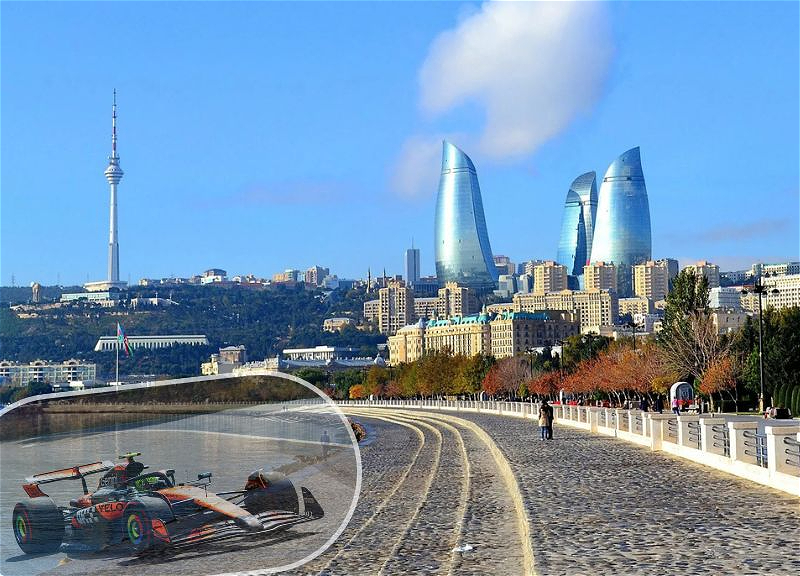
One of the most resonant assumptions is that due to the shallowing of the Caspian, Baku could cease to be a coastal city in the future. However, ecologist Gorkhmaz Ibrahimli called the forecast about Baku possibly losing its status as a seaside city somewhat exaggerated. According to him, the Caspian Sea has experienced cyclical periods of decline and rise in level throughout history, repeatedly disproving long-term forecasts. He added that the current decline in sea level could stop within the next few decades.
At the same time, the expert considers a more likely scenario to be the further shallowing or drying up of Kara-Bogaz-Gol, which would require joint actions by all Caspian states. One of the key factors remains the volume of water entering the Caspian from the Volga, since an increase in the river's water content could slow the drop in sea level and contribute to its stabilization. The further state of the Caspian will depend on climatic processes, the amount of precipitation, the volume of river runoff, and coordinated actions of the Caspian countries.