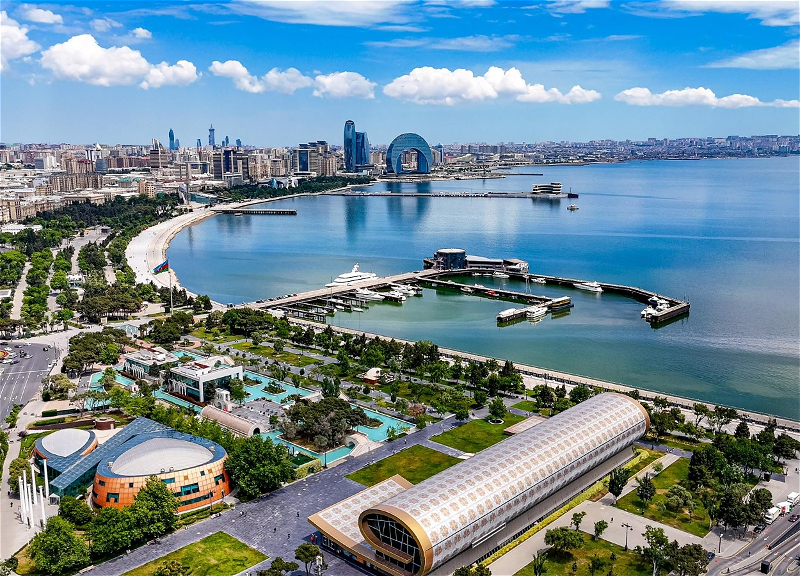
Baku strengthens its position between East and West, North and South
The modern architecture of international relations is built not only on global geopolitical alliances, but also on regional formats capable of responding flexibly to the challenges of the times.
Over its more than thirty-year history, the Commonwealth of Independent States has traveled a difficult path — it has transformed from a format for settling the consequences of the collapse of the former system into a stable mechanism of pragmatic cooperation. Within this space, Azerbaijan occupies a special, exceptionally independent position. Baku builds its policy on strict observance of national interests, demonstrating a model of effective multilateral partnership without compromising its sovereign course. Azerbaijan's participation in the CIS structure is deeply deliberate in nature: here the historical threads of humanitarian ties, economic interests and large-scale infrastructure projects that are changing the logistics map of Eurasia are intertwined.
From dialogue to creation
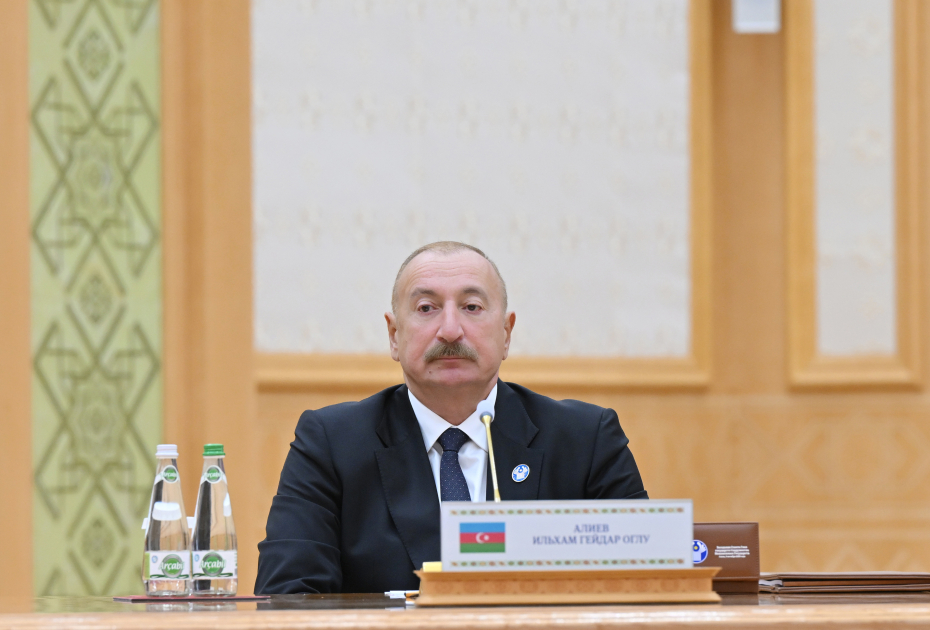
Azerbaijan's foreign policy in the post-Soviet space has never been passive. The country's leadership invariably emphasizes the importance of multilateral platforms for expanding political dialogue and strengthening trust. As President Ilham Aliyev noted at the meeting of the CIS Council of Heads of State in Turkmenbashi, over the past years "the Commonwealth of Independent States has established itself as a sought-after platform for maintaining political dialogue, developing mutually beneficial cooperation and strengthening ties between our countries."
At the same time, Baku has always demonstrated a principled approach: all documents and initiatives of the organization are assessed exclusively through the prism of national priorities, which allows the state to retain full freedom, defending its point of view and formulating the necessary reservations where required.

The transport framework of Eurasia: building a global hub
If humanitarian cooperation forms the emotional capital of trust, then the economy and logistics serve as a reliable foundation for long-term stability. Possessing a unique geographical position at the junction of Europe and Asia, Azerbaijan has created a modern, high-tech transport and infrastructure base practically from scratch, becoming an indispensable hub of the Eurasian continent.
"Azerbaijan is consistently strengthening its position as one of the key transport hubs of the region, ensuring reliable transit along the North-South and East-West international corridors," Ilham Aliyev stated at the summit of CIS heads of state in Turkmenbashi.
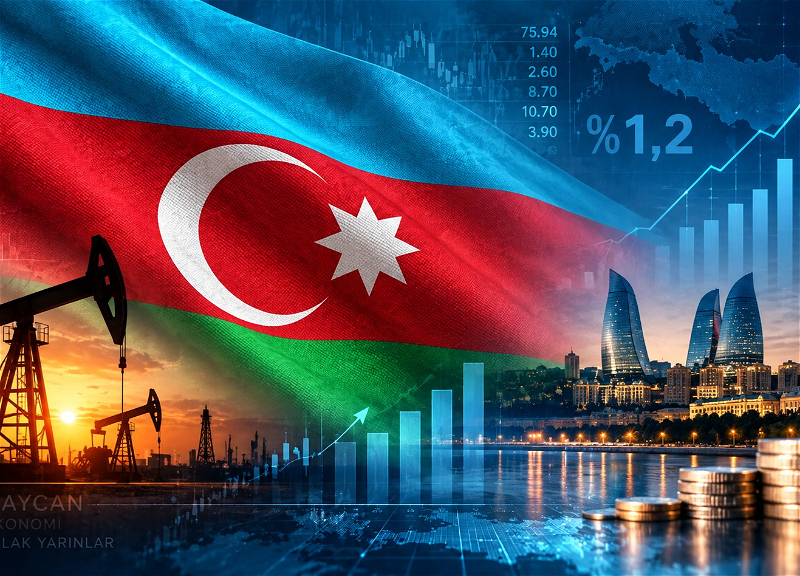
Today, the strategic international corridors "North — South" and "East — West" pass through the country's territory, providing unprecedented speed and security of transit flows. The figures speak for themselves: in the first half of 2026, the volume of transit transportation through Azerbaijan demonstrated impressive growth of 10 percent, coming very close to the mark of 8 million tons of cargo. Baku's strategic ambitions are directed far into the future — in the medium term, the country has set itself the bar of bringing the volume of freight traffic along each of these key routes to 15 million tons.
The development of the transport component is accompanied by qualitative changes in the regional environment. The ongoing shifts in logistics also affect the unblocking of communications, including the lifting of previous restrictions on transit and the involvement of infrastructure in multilateral trade turnover. This turns the country not merely into a transit corridor, but into a genuine geoeconomic crossroads, where the interests of dozens of states intersect.
For the first time in the history of independent Azerbaijan: Baku will head the CIS
Baku's pragmatic course within the CIS clearly demonstrates that regional partnership can be mutually beneficial and effective if it is based on equality, mutual respect and a clear understanding of common challenges. Azerbaijan not only participates in the Commonwealth's current agenda, but also assumes leadership responsibility for its future destiny.
The high level of trust in the country on the part of its partners in the organization was reflected in the key decisions of the summit. Speaking before his colleagues, the head of the Azerbaijani state voiced an important initiative: "I would like to express gratitude for the support of the decision on Azerbaijan's co-chairmanship of the CIS in 2027. We regard this as evidence of the high trust in our country and are ready to actively participate in the implementation of common tasks. Azerbaijan is also ready to assume the chairmanship of the CIS in 2028 and to organize a meeting of the CIS Council of Heads of State in the autumn of that year."
Such readiness to deepen integration processes and assume a coordinating role marks a qualitatively new stage in the country's relations with the organization. Baku confirms its status as a responsible regional player capable of generating development initiatives, strengthening transport and economic security and creating a solid foundation for long-term peace and stability throughout the entire Eurasian space.
The new stage of integration processes has been marked for Azerbaijan by an unprecedented strengthening of its position on the international arena. Within the Commonwealth, a chairmanship troika has been formed consisting of Turkmenistan, Uzbekistan and Azerbaijan, where the chairmanship in 2027 will pass to Uzbekistan, and in 2028 these functions will, for the first time in the history of the independent republic, be assumed by Baku. Historically, such a step was hindered by the long period of the unresolved Armenian-Azerbaijani conflict, however, the era of a historic turning point and the establishment of lasting peace in the South Caucasus has opened fundamentally new horizons for the country's active participation in multilateral diplomacy.
Today, Azerbaijan's diplomatic calendar reflects the scale of its growing geopolitical influence. Baku is consistently assuming a coordinating role in key regional structures, heading the Consultative Meeting of the Heads of State of Central Asia, the Organization of Turkic States and the Conference on Interaction and Confidence Building Measures in Asia, and now the CIS as well. The scale of trust in the state is also confirmed at the global level: as early as next year, the chairmanship of the Organization of Islamic Cooperation will pass to Baku, which will host the next OIC summit. In addition, a summit of the European Political Community is scheduled to be held in the Azerbaijani capital in 2028, which will definitively cement the country's status as a key bridge between East and West, North and South.