The main barrier on the path to peace: why Baku expects a new constitution from Yerevan and what Ankara has to do with it
The de facto peaceful situation that has taken shape in the South Caucasus after the end of the years-long conflict still requires legal formalization.
Baku calls constitutional reform in Yerevan the key condition for signing a peace agreement. Baku emphasizes: the treaty cannot have lasting force if the fundamental law of the neighboring country retains articles that challenge the territorial integrity of Azerbaijan and Turkey.
A signal from Baku: from de facto peace to a legal guarantee
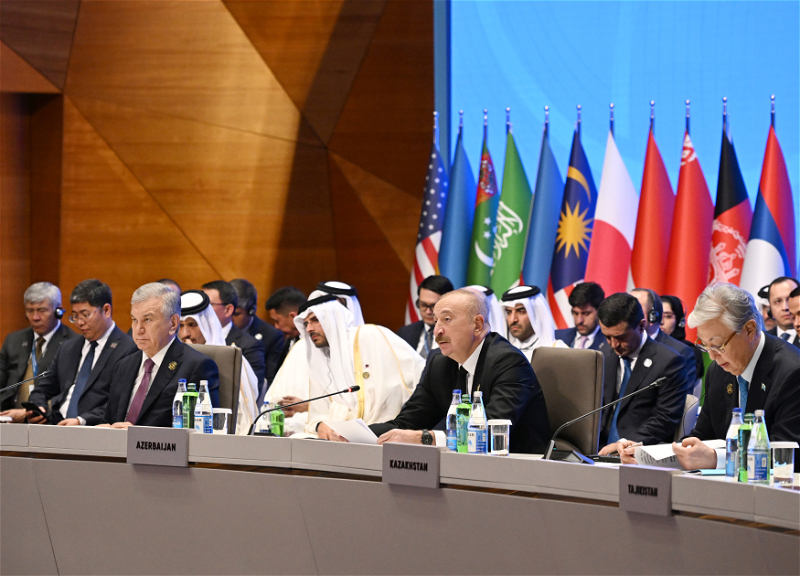
Assistant to the President of Azerbaijan and head of the Foreign Policy Department of the Presidential Administration Hikmet Hajiyev, in an interview with the Turkish television channel Haber Global, clearly outlined the position of official Baku. According to him, Azerbaijan is closely following the processes inside Armenia and is registering signals about the start of work on a new Basic Law.
Baku's position is absolutely transparent. The norms and references containing territorial claims against Azerbaijan must be completely removed from Armenia's Constitution. As soon as the constitutional basis of the neighboring country is brought into line with international law, no obstacles will remain to the signing of a peace treaty. Hajiyev also recalled that actual peace has already been established in the region, and the task is to consolidate it in documents, which will exclude any risks of revanchism in the future.
The presidential assistant placed particular emphasis on foreign policy and the strategic alliance between Baku and Ankara. Recalling the inseparable bond between the two states, he noted: "At a table where there is no Turkey, there is Azerbaijan, and at a table where there is no Azerbaijan, there is Turkey." Any attempts to act to the detriment of the interests of this alliance will meet a resolute and joint response.
The response from Yerevan: Pashinyan announces a draft by the end of the year
Against the backdrop of Baku's clear demands, signals are coming from Yerevan about readiness to transform the fundamental law, although the Armenian leadership is trying to position this step as an internal necessity. Armenian Prime Minister Nikol Pashinyan, speaking with journalists, officially promised to publish the draft of the new constitution before the end of this year.
He noted that he cannot yet name specific deadlines, but the draft will definitely be made public by the end of the year. Yerevan explained that the delay in publication was connected with the parliamentary elections that had taken place: the authorities needed to conduct the election campaign in the normal manner, and only then move on to public hearings on such a sensitive document.
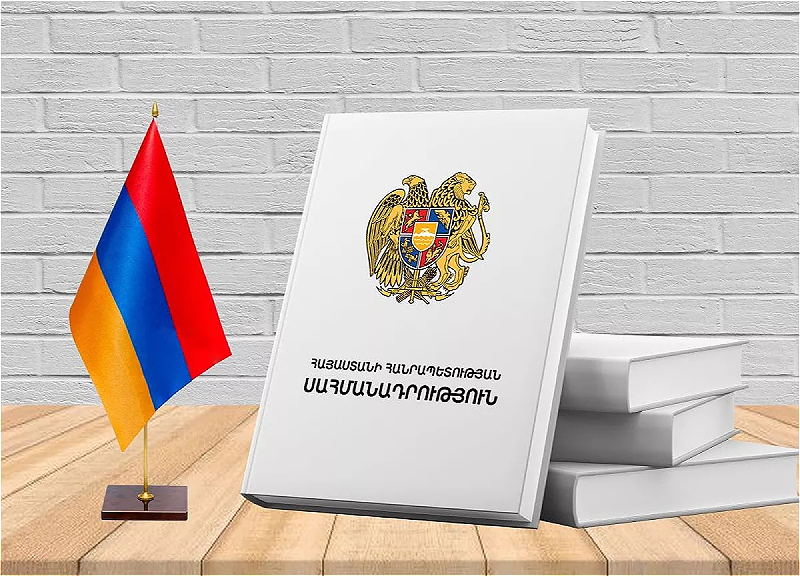
In the Armenian expert and political field, it is not concealed that the drafting of a new version of the Constitution is an extremely difficult step. The main stumbling block remains the preamble of Armenia's current constitution, which refers to the 1990 Declaration of Independence, where the goal of "the reunification of Armenia and Nagorno-Karabakh" is recorded. It is precisely this legal collision that makes Armenia's current constitution unacceptable to Baku as a basis for long-term peace.
The anatomy of the constitutional question
The reason why Baku is so categorical on the issue of the Armenian Constitution lies in legal nuances. In international law, there is a rule: an international treaty prevails over domestic laws, but not over the Constitution, if within the state itself it is recognized as the supreme legal act.
Retaining the old wording creates a direct risk of the agreement's denunciation. Any future leader of Armenia or the country's Constitutional Court will be able to declare the peace treaty with Azerbaijan invalid, citing the fact that it contradicts the preamble of the Constitution. In addition, for the full recovery of regional communications and the opening of borders, a settlement of Armenian-Turkish relations is necessary, and the absence of Yerevan's renunciation of historical claims against Ankara blocks this process as well. Without the removal of revanchist theses from Armenia's fundamental legal base, the treaty will remain only a temporary compromise, subject to a change in the political situation.
Prospects: what will the publication of the draft lead to?
The publication of the draft of Armenia's new Constitution by the end of the year will become a moment of truth for the entire peace process. If the document is indeed cleared of wording affecting the sovereignty of its neighbors, this will open a direct path to a summit at which a historic peace treaty will be signed.
At the same time, Pashinyan will have to pass the document through a referendum, which will require serious internal consolidation. However, for Azerbaijan and its main strategic partner, Turkey, compromises on this issue are impossible: sustainable peace in the South Caucasus can be built only on the unconditional mutual recognition of borders and the renunciation of any hidden claims to the territories of others.